AI advances could prevent 85% of collisions, says FleetCheck
Technical limitations have made existing systems less effective in preventing collisions in real-time.


An advance in artificial intelligence (AI) based accident prevention technology could prevent 85% of collisions, according to fleet software provider FleetCheck.
FleetCheck said that a system described in a recent research paper could make real-time collision prevention systems fast enough to be practical, while meeting compliance requirements.
Neil Avent, chief technology officer at FleetCheck, said that the system is also able to explain hazards more effectively to drivers.
Technical limitations have made existing systems less effective in preventing collisions in real-time.
Avent said: “First, many systems cannot explain why a particular situation is considered risky. Second, the computing power required can make them impractical for real-time use.
“What makes the new model – described in sciopen.com – interesting is that it can explain the factors behind its prediction while also reducing processing delays. In our view, this opens the door to fleet adoption.
“The technology is now fast enough to be practical and also reflects how fleets approach risk management.
“Compliance means that it is not enough for the AI fitted to a vehicle to flag a warning, it needs to be able to explain why in a manner that is understandable and accessible to the vehicle operator.
Related

ADAS struggling to detect trailers, underrun bars failing, Euro NCAP warns
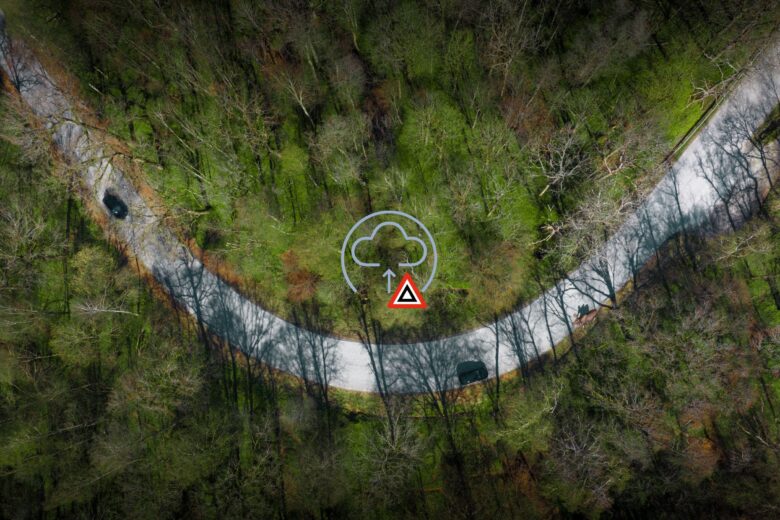
Volvo EX60, EX90 and ES90 to gain Connected Safety features
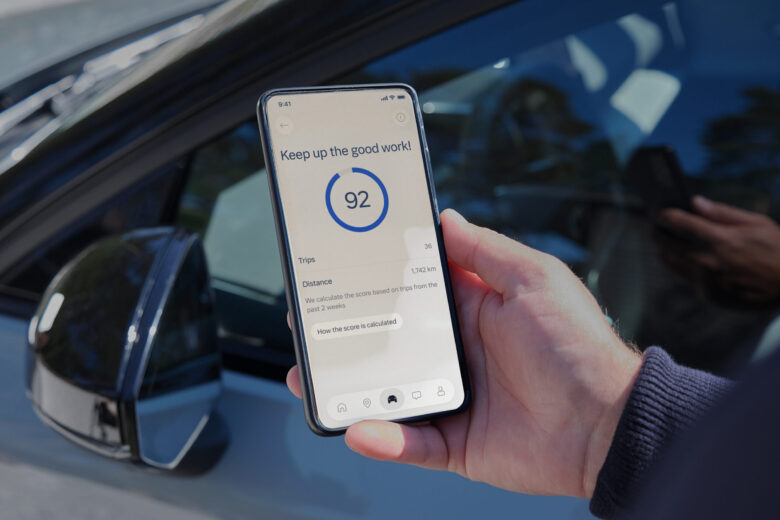
Volvo launches Safety Coach app in partnership with CMT

jobmate enables real-time incident reporting with jobsafe app

90% of fleet managers believe tech advancements help drivers feel safe, Microlise finds

FleetCheck aims for 40% sales growth as it targets large fleets

FleetCheck and VDO to launch digital tachograph infringement function
Next-Generation eCall “should not be relied upon” until March, warns DfT
Enterprise Flex-E-Rent adds SureCam video telematics to service fleet

Fleet managers want automated predictive maintenance tool, survey finds

Skywell importer closure shows risk of buying from new entrants, FleetCheck warns