
Almost 100,000 privately owned EVs added to roads between Q1 and Q2 2026, AA finds
Figures for the four UK nations totaled 99,563.

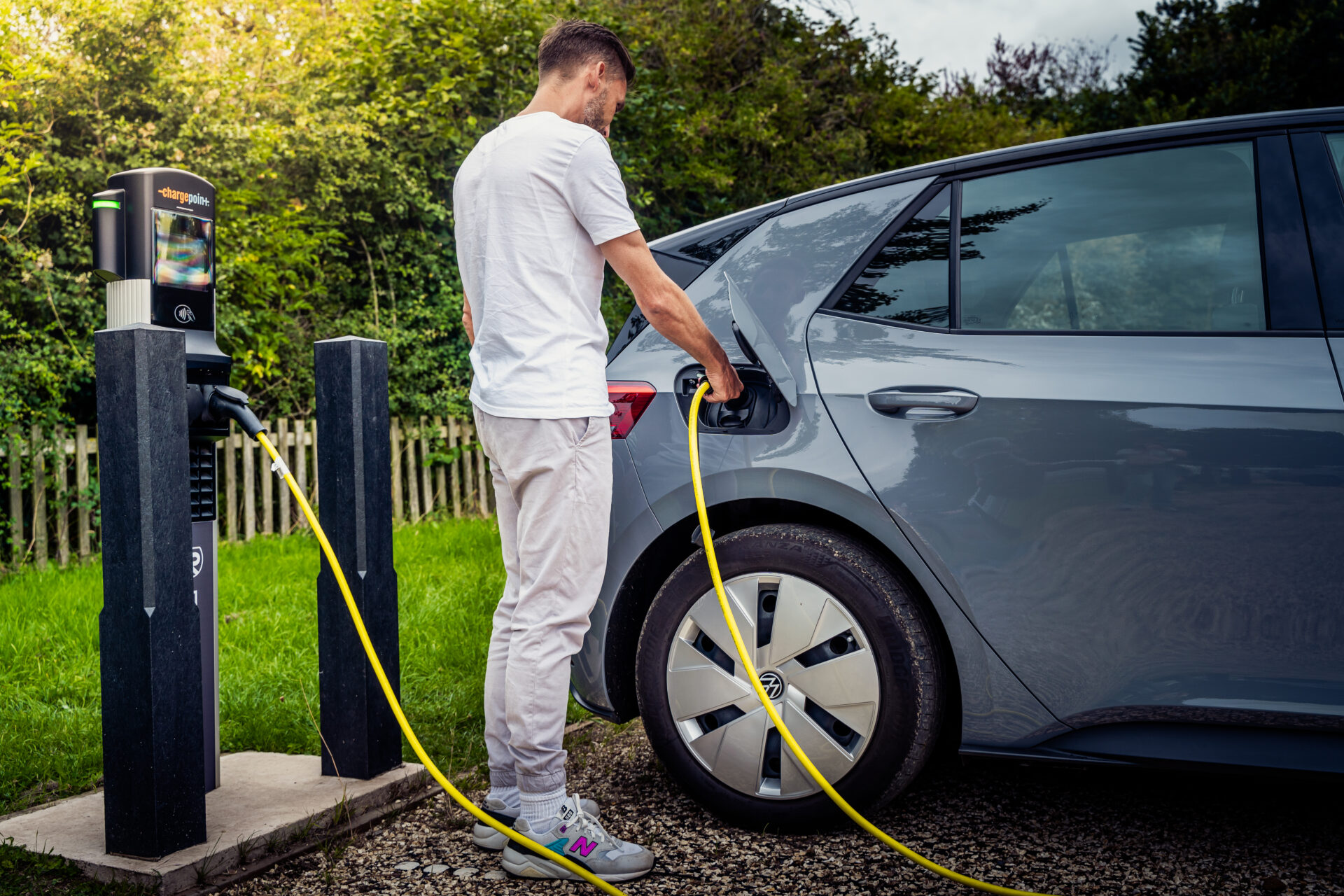
The AA’s analysis of the Department for Transport figures has revealed that almost 100,000 privately owned EVs were added to UK roads between Q1 and Q2 2026.
Figures for the four UK nations totalled 99,563.
Lower running costs for drivers who can charge at home, a narrowing price gap between used electric and petrol cars and high petrol and diesel prices are combining to strengthen the financial case for going electric, according to The AA.
The number of privately owned EVs increased by 99,676 between Q1 and Q2 2026, accounting for almost two thirds (65.2%) of the overall increase in electric cars during the quarter.
England recorded the largest increase in private EV ownership, with 85,573 added during the three months.
A further 113 vehicles are recorded in the Government data as ‘region or county unknown’, taking the UK increase to 99,676.
The surge in private ownership helped take the total number of electric cars registered to private and company owners to 2,016,968 at the end of June, up from 1,864,014 at the end of March.
Overall, 152,954 electric cars were added during the quarter, an increase of 8.2%.
Related
Zest rolls out ultra-rapid charging bays at popular fast-food chains

Vertellus launches free EV transition toolkit for fleet operators

Autumn Budget 2026: No eVED reform despite industry outcry

Autumn Budget 2026: Healey plans to freeze fuel duty

Autumn Budget 2026: Support for drivers to use home energy tariffs on local charging network

EA-RS Group appoints Ogilvie Fleet to support vehicle operations

M25 central to van fleet operations, Geotab finds

Govt must examine BiK, update financial forecasts to reflect Fuel Duty, review grey fleet policy – AFP

Autumn Budget 2026: Increase in mileage rates, cheaper public charging, BiK rises, more

Autumn Budget 2026: “Disappointing” for those moving to cleaner mobility – The Electric Car Scheme

Autumn Budget 2026: Funding to create more grid connections
