Autumn Budget 2026: No eVED reform despite industry outcry
eVED was announced in the 2025 Autumn Budget by Rachel Reeves, former Chancellor of the Exchequer.

Despite calls from the automotive industry to reform the Electric Vehicle Excise Duty (eVED), Chancellor John Healey did not mention any reforms to the tax in his Autumn Budget statement today (28th October).
eVED was announced in the 2025 Autumn Budget by Rachel Reeves, former Chancellor of the Exchequer.
The eVED tax is due to come into force in April 2028, and charge electric vehicle owners 3p per mile and hybrid vehicle owners 1.5p per mile.
Earlier in the year, FleetCheck said Prime Minister Andy Burnham had an opportunity to revisit the decision on the tax.
Peter Golding, CEO at FleetCheck, said the ZEV Mandate and eVED are likely to be high on the list of topics most fleets would like to see reconsidered.
He added: “We’ve heard very little so far about transport from the new prime minister but he does keep reiterating themes of being both business friendly and making life easier and less financially stressful for ordinary people.
“Both the ZEV Mandate and eVED would seem to us to fall into these categories.
In March of this year, the Association of Fleet Professionals (AFP) also recommended that the Government delay eVED to 2030.
Related
Govt must examine BiK, update financial forecasts to reflect Fuel Duty, review grey fleet policy – AFP
Autumn Budget 2026: Support for drivers to use home energy tariffs on local charging network
Autumn Budget 2026: “Disappointing” for those moving to cleaner mobility – The Electric Car Scheme
Autumn Budget 2026: Healey plans to freeze fuel duty
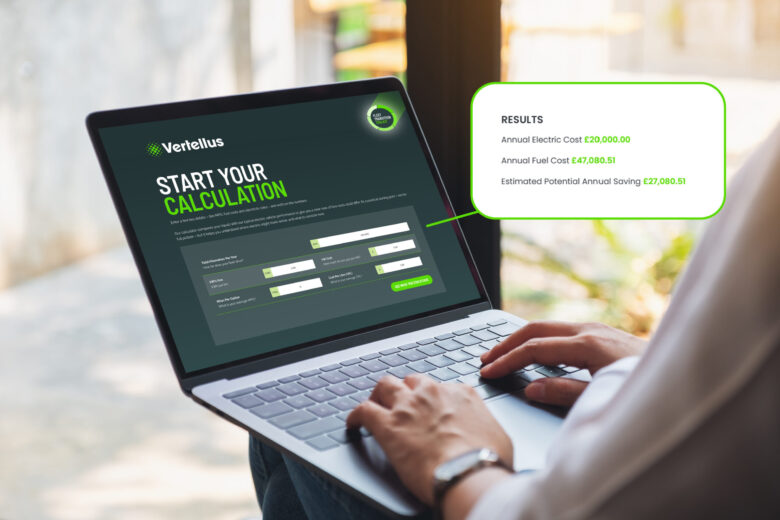
Vertellus launches free EV transition toolkit for fleet operators
Zest rolls out ultra-rapid charging bays at popular fast-food chains
EA-RS Group appoints Ogilvie Fleet to support vehicle operations
Autumn Budget 2026: Funding to create more grid connections
LCV market up 11.4% in October – SMMT
Autumn Budget 2026: No long-term EV strategy for fleets, says Venson
Autumn Budget 2026: Increase in mileage rates, cheaper public charging, BiK rises, more