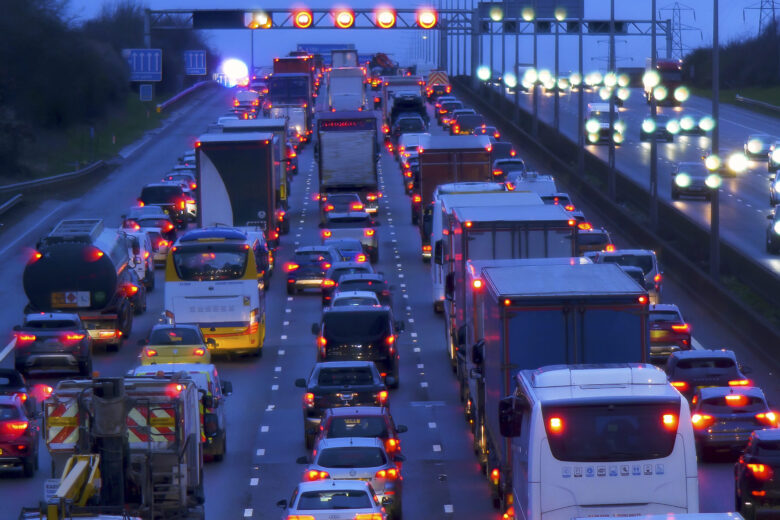
CV exports up 1.6% in September, finds SMMT
Overall UK vehicle production rose by 36.3% to 74,031 units in September.

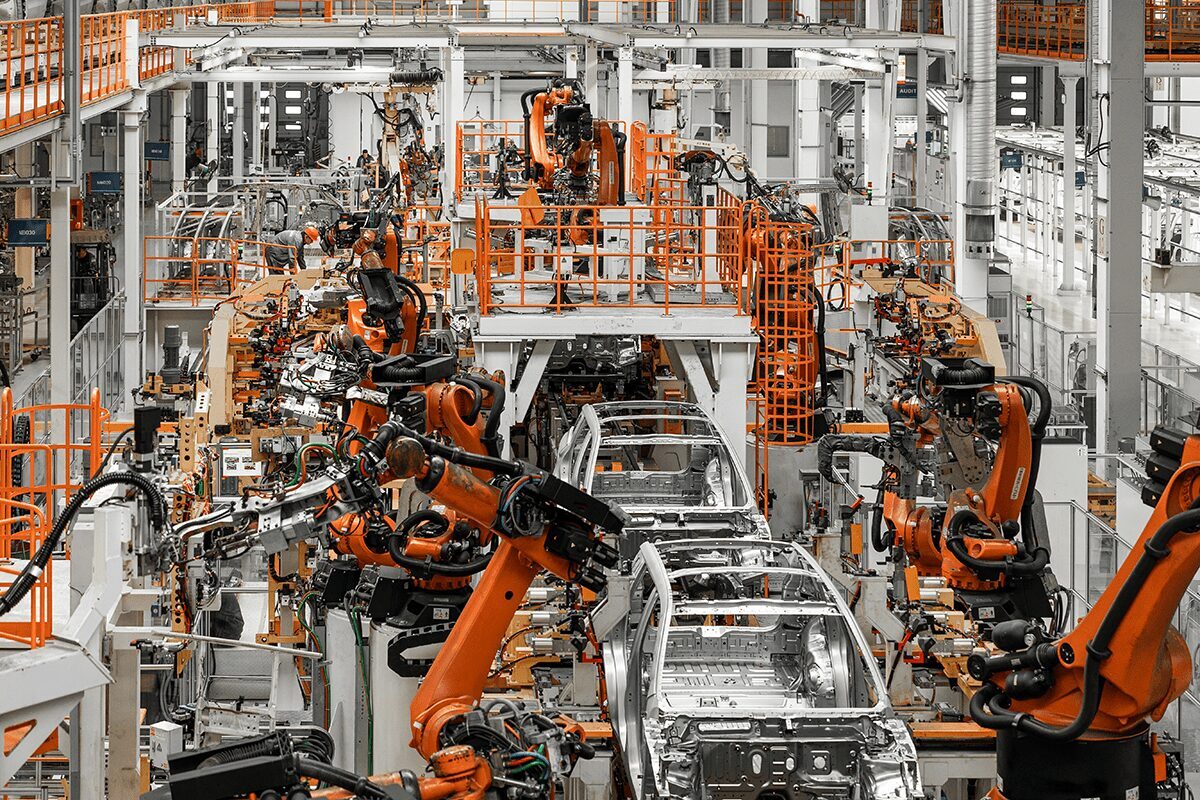
Commercial vehicle (CV) exports were up 1.6% in September, although a 2.6% drop in output for the domestic market left overall production down by 0.9%, according to figures published by the Society of Motor Manufacturers and Traders (SMMT).
Overall UK vehicle production rose by 36.3% to 74,031 units in September.
Car production increased by 38.6%, with 70,831 units rolling off factory lines, making it the strongest September for UK car manufacturing since 2023.
Electrified models supported growth, with their output up 22.5% to account for more than two-fifths (42.3%) of cars produced in the month and 70.1% of exports.
Exports continued to account for more than three quarters of overall output, with 76.7% of all cars built destined for international markets.
Exports to the UK’s three biggest automotive markets rose in the month, led by China, where shipments increased by 357.7%, albeit from a low base, to take a 4.4% share.
The US recorded a similar rise of 234.8%, accounting for 16.8% of the total, while the EU remained the largest global destination, taking 57.5%, with volumes up 12.7% year on year.
Year-to-date performance remains down by 46.7% following structural changes within the sector.
Related
LCV market up 11.4% in October – SMMT
Government considers tariffs on Chinese EVs
Trump plans to ban diesel exports, pushes UK fleets towards electrification
EA-RS Group appoints Ogilvie Fleet to support vehicle operations
Autumn Budget 2026: Increase in mileage rates, cheaper public charging, BiK rises, more
Zest rolls out ultra-rapid charging bays at popular fast-food chains
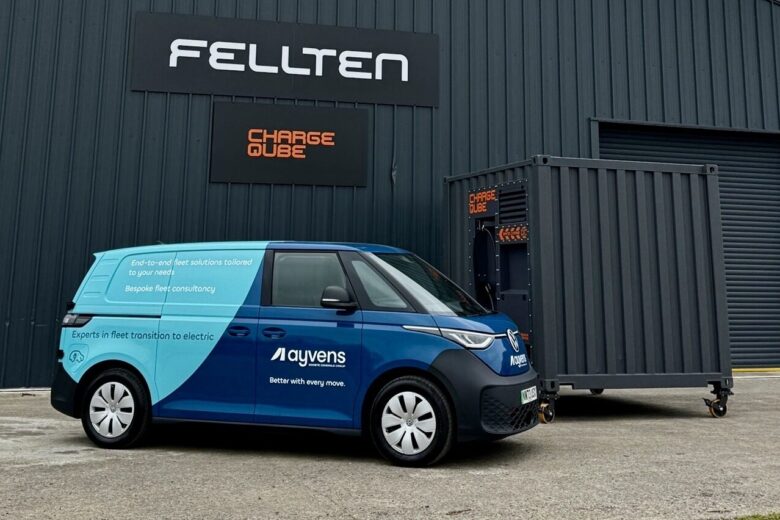
Ayvens and Fellten to offer UK fleets charging flexibility

Bosch Road Services opens Electroway secure truck parking site in Leicestershire
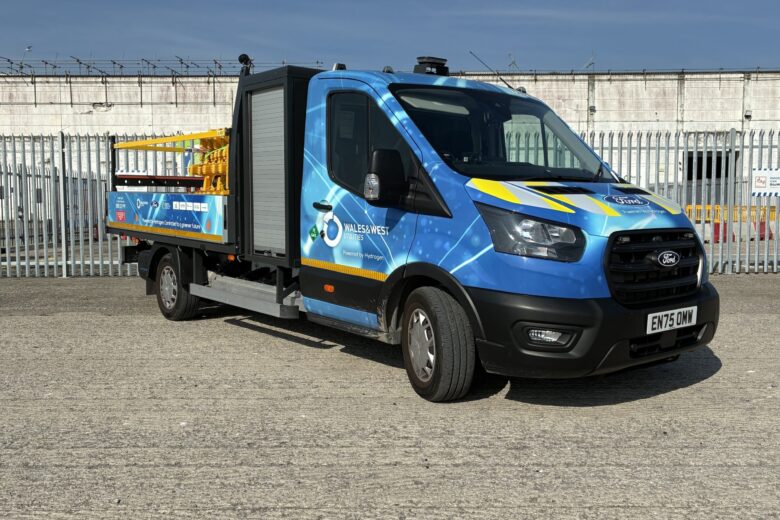
Ford and WWU partner to reduce carbon emissions
Euro 7 could force fleets to choose between compliance and EV transition, warns Dawsongroup
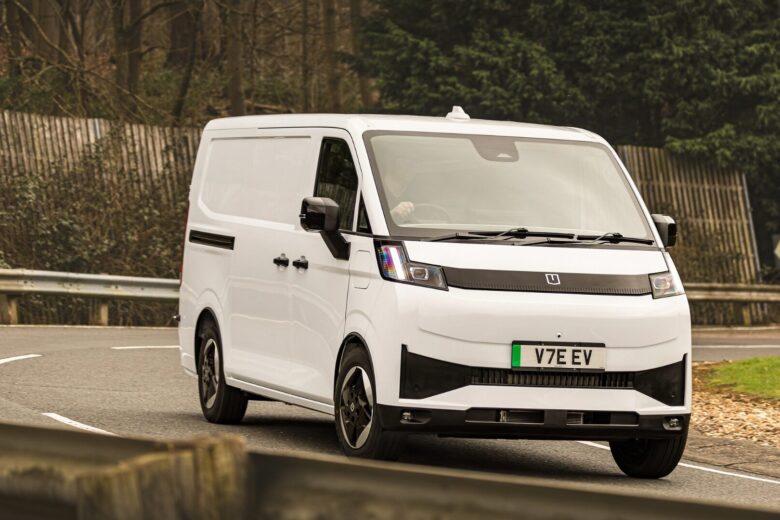
Electric van sales “far adrift” of ZEV Mandate, SMMT warns