CV Show: Renault boss joins calls to accelerate EV take-up
Pace of change is speeding up, but infrastructure and costs need to be addressed.

Looking at the reasons that EV take-up is not happening at a fast enough rate, Löw argued that for all professional customers the total cost of ownership of a vehicle is a key decision criteria when buying; “they won’t switch to electric vehicles unless two things are in place – competitively priced green energy and a comprehensive charging infrastructure. Without both, buying habits won’t change fast enough, and there is no way we will meet the targets.”
Last-mile leaders
Despite these issues Löw believes that while electric vehicle adoption has not reached full speed the shift is happening, driven by last-mile delivery which he described as one of the fastest-evolving transport sectors in Europe. “In 2023 last-mile business in Europe reached a 30 billion Euro turnover, and it’s not slowing down. (It has a) solid 10% compound annual growth and we are forecasting 30-40% growth every year within the electric van segment in Europe until 2030.”
In his keynote speech to CV show attendees Mike Hawes, CEO of the Society of Motor Manufacturers & Traders, added to earlier calls for improved EV infrastructure by emphasising that the importance of decarbonising commercial vehicles cannot be understated.

“The CV sector represents 14% of vehicles on the road, but 36% of all UK road transport emissions,” Hawes said, adding; “To address climate change we need to transition the CV sector – its carbon footprint is equivalent to that of Sweden, Ireland or New Zealand.”
Hawes pointed out that time is not on the industry’s side; “It is 10 years to 2035 when sales of new ICE vans will be banned – in a purchasing cycle that is equivalent to tomorrow and so the transition has to be accelerated.”
He argued that infrastructure remains arguably the biggest barrier to EV take-up – all commercial vehicle depots in the country need to be connected for EV vehicles, but while every operator is considering, planning issues and other delays are slowing the process.”
Commercial vehicle specific charging infrastructure at strategic points on the national road network is another major issue, Hawes displaying a map that showed four such dedicated charging facilities in the entire Midlands of the UK. “This actually is better than two years ago when there was one – but four is nowhere near the pace of change we have to deliver,” he said.
“If you are connecting a motorway service area for cars, do it once, connect it so you have sufficient capacity to install good connections for vans, for HGVs, and all other vehicles,” Hawes added.
Related
Pre-orders open for £38k Renault Trafic E-Tech electric
Renault to show Trafic E-Tech, conversions at CV Show
LCV market up 11.4% in October – SMMT
Renault boosts Scenic E-Tech range to 392 miles for 2027
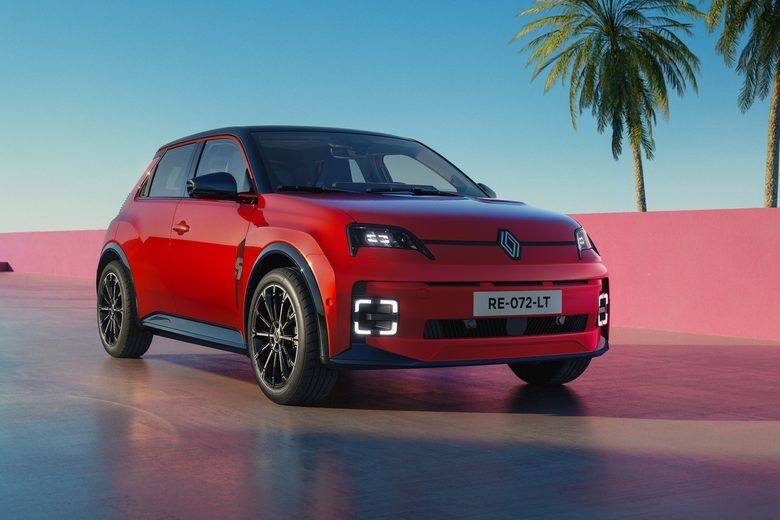
Renault 5 gains extra range and technology for MY27
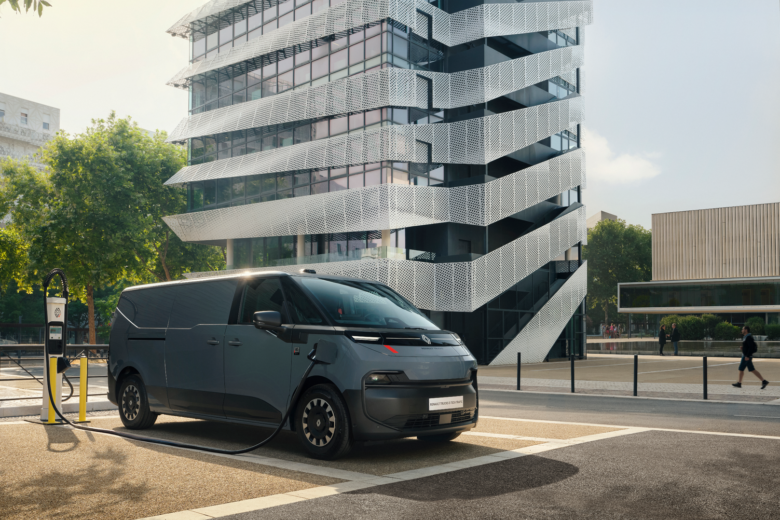
Renault Trucks reveals E-Tech Trafic at IAA
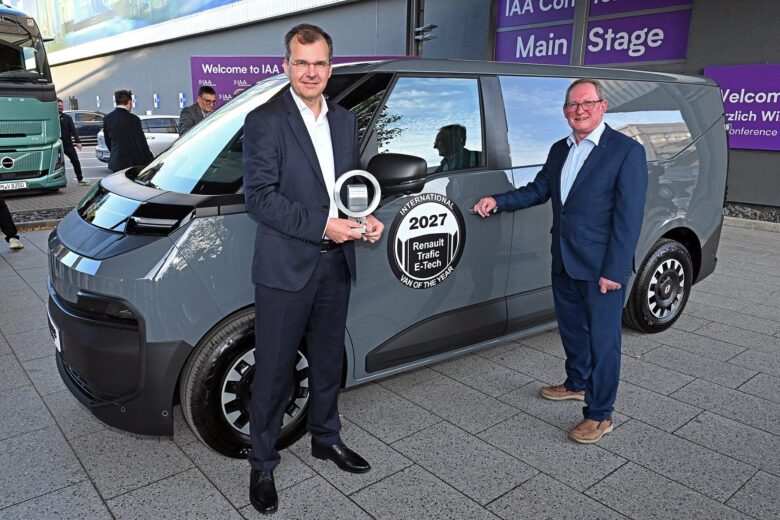
Renault Trafic E-Tech named International Van of the Year 2027

CV exports up 1.6% in September, finds SMMT
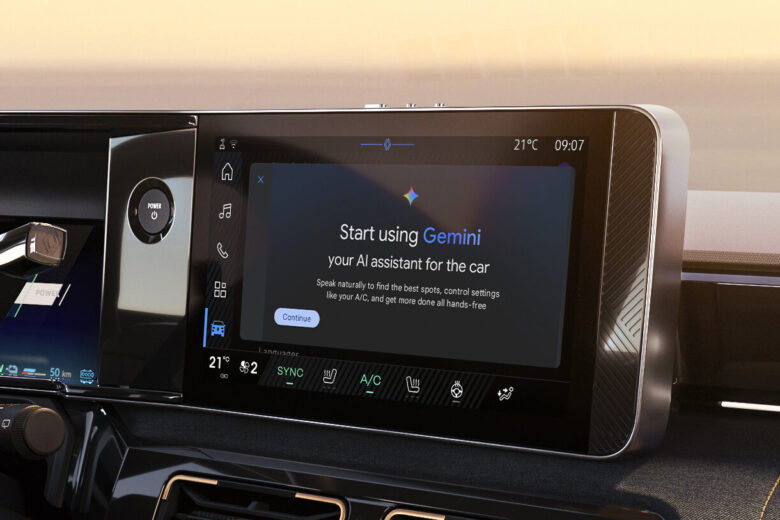
Renault adds Google Gemini, Waze, HBO Max to existing cars
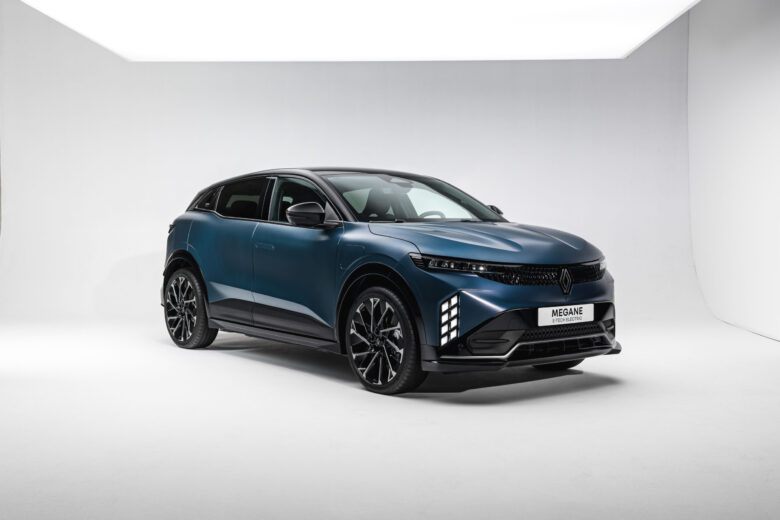
Renault Megane E-Tech gets longer range, exterior redesign
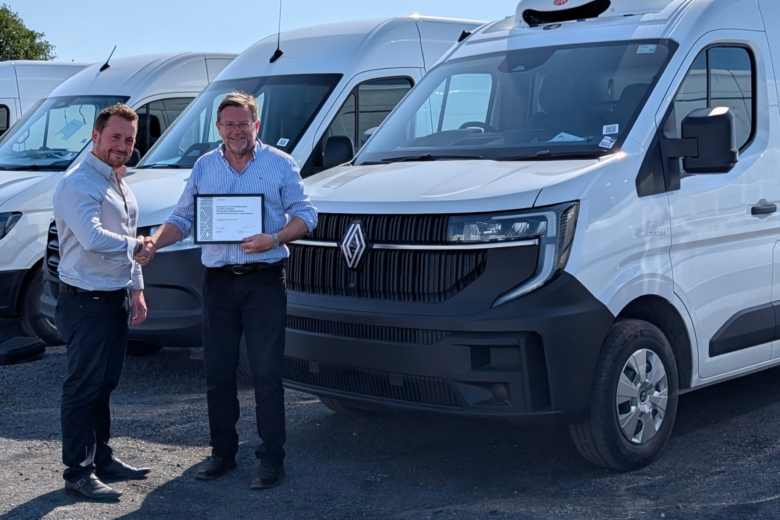
CoolKit achieves Renault Pro+ Certified Converter status