Drivers using their own vehicles
Let’s look at the first area, drivers using their own vehicles for company business trips. It has always been the case that a driver’s regular commute does not class as a company business trip.


However, the significant increase in home working, or hybrid working, does throw up the interesting question of, “If my staff are officially based at home and I ask them to come into the office on occasions, does that class as a business trip?”
Logic would say that if someone’s contract says they are officially based at home, then yes, a trip into the office could very well be argued as a business trip as the office is not their official place of work.
The decision as to whether you do reimburse your drivers for a trip of that nature is entirely up to you. What is clearer however, are the rates you should refer to when making a decision on the level of reimbursement. Since 2012, the reimbursement rate, or the Approved Mileage Allowance Payments (AMAP) set by the HMRC, has remained unchanged and are as follows:
- Cars and Vans: 45p per mile up to 10,000 miles
- Cars and Vans: 25p per mile for anything over 10,000 miles
- Motorcycle: 24p per mile
- Cycle: 20p per mile
- Passengers: There is also an additional 5p per mile claim for every passenger.
You’ll pay tax if you or your family use a company car privately, including
for commuting.
You pay tax on the value to you of the company car, which depends on things like how much it would cost to buy and the type of fuel it uses.
This value of the car is reduced if:
- You have it part-time
- You pay something towards its cost
- It has low CO2 emissions
If your employer pays for fuel you use for personal journeys, you’ll pay tax on this separately.
If you drive a hybrid
If your company car has CO2 emissions of 1 to 50g/km, the value of the car is based on its zero emission mileage figure, or ‘electric range’. This is the distance the car can go on electric power before its batteries need recharging.
Related
Ford and WWU partner to reduce carbon emissions
Zenith hosts LCV Customer Day with BVRLA and Kia
Driveway Vehicle Solutions hosts fleet managers on Drive Out Day

Diesel prices due to drop after reserves released by G7 – RAC
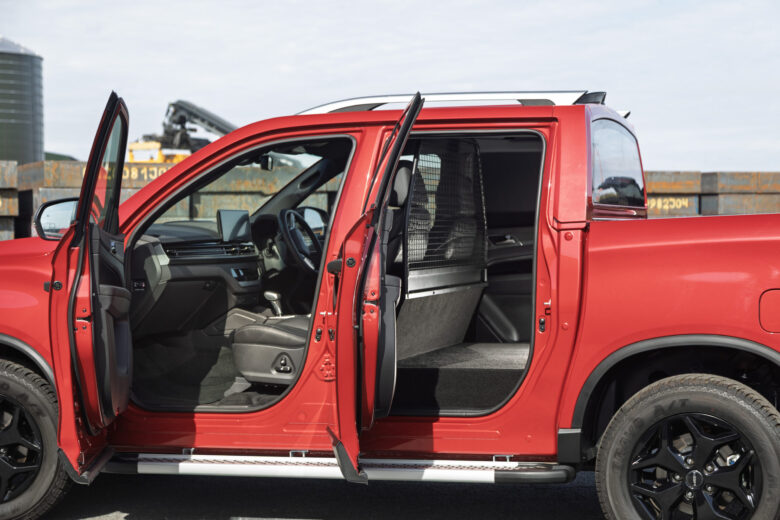
KGM Motors launches Musso commercial range

Better tech would improve transport managers’ mental health – Microlise
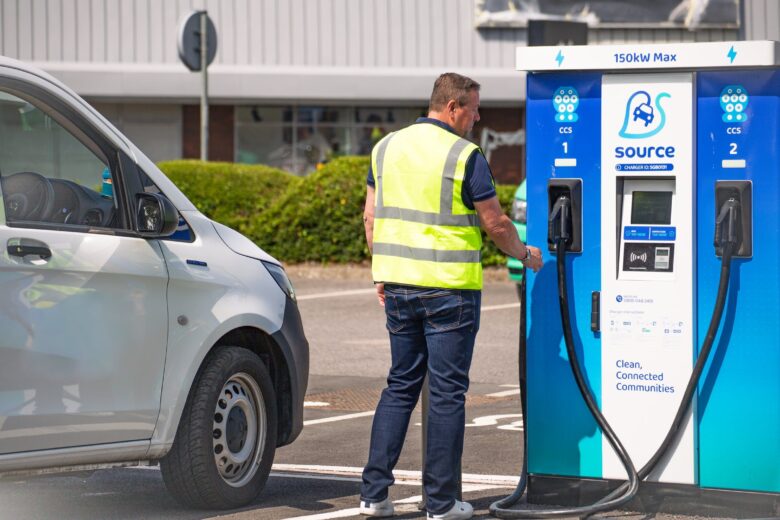
Source UK EV chargers added to Shell Card network

Drivers more worried about sun glare than slippery roads, warns Startline
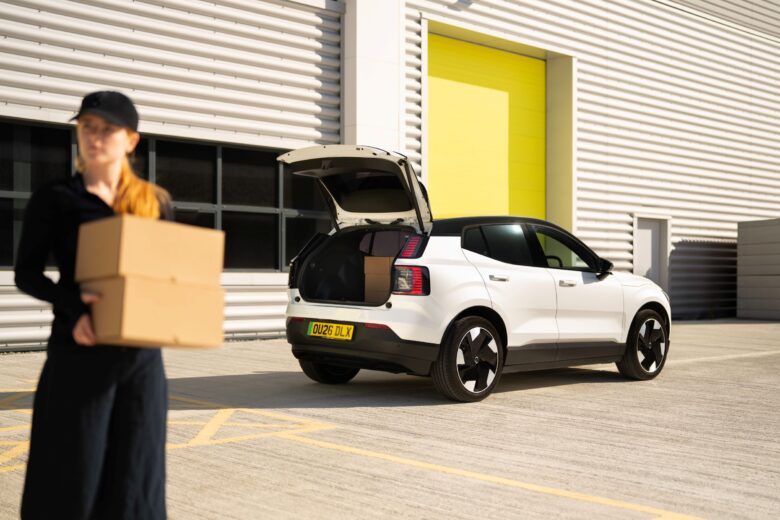
Volvo EX30 Cargo receives £2,500 ZEVG
Hyundai reveals second-generation Bayon

VWFS and Jumptech partner to enable home charging for employees