
Electric charging tax to replace fuel duty
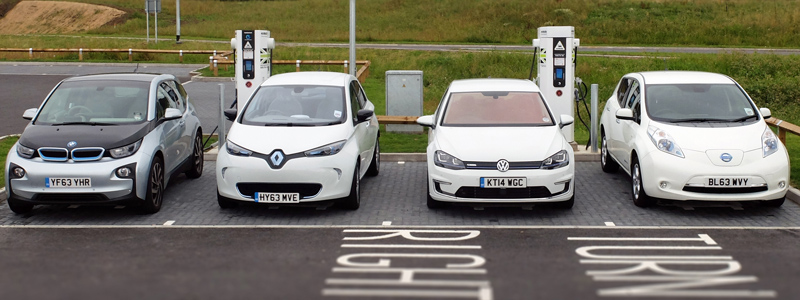
WITH the announcement that all petrol and diesel car sales will end by 2040, it raises the prospect of how the government will replace its current fuel duty tax take.
As the automotive world moves to an electric only future, it will leave a large hole in the government’s finances: a £27 billion sized hole to be precise (source RAC Foundation).
- End of road for petrol and diesel cars and vans, read this story here
It raises the prospect that the electric charging infrastructure that will replace it will offer electricity but with a tax on top believes Mark Cunningham, a manager at Blick Rothenberg, an accounting and tax advisory firm.
What goes into the cost of a litre of fuel?
Currently a litre of fuel costing £1.30 is comprised approximately of:
- Base cost 50p
- Fuel Duty 58p
- VAT 22p
He believes that the government faces a tough choice between balancing the requirement for greener transport and maintaining tax revenues.
Mark Cunningham said: “The Government has for some years incentivised the move to low emission company cars through lower taxes and reliefs, but has now started to gradually reduce the incentives that are in place.
“As the number of electric vehicles in the UK increases we could see further significant changes to capital allowance and the company car tax rates.”
Mark added: “Ultimately we will see ‘Electric Charging Stations’ being run by the current petrol and diesel suppliers; they will need to provide fast charging and that is when the tax regime will change.
Related
Autumn Budget 2026: FairFuel UK demands Fuel Duty cut, legally enforced profiteering watch
FairFuelUK calls for fuel duty cut as retailer margins rise while motorists “hammered”
Autumn Budget 2026: Increase in mileage rates, cheaper public charging, BiK rises, more
Autumn Budget 2025: Fuel duty freeze confirmed as Reeves retains 5p cut

FairFuelUK poll shows overwhelming support for Fuel Duty cuts ahead of Budget

Fuel duty frozen in Autumn Statement

Fuel Duty relief outweighs EV charging support by 13 to one, analysis finds
Fuel hits highest price since Iran war began, diesel to hit “watershed” in coming week – RAC
Fuel prices set to rise as oil tops $94
Autumn Budget 2026: Industry calls for EV support through VAT cuts and grid reform
Autumn Budget 2026: Fuel Duty cut extended to July 2027