Europcar assists London Borough of Camden with fleet electrification
Europcar quickly identified that a large proportion of Camden's fleet could be replaced with electric alternatives.


Europcar has worked with the London Borough of Camden on a fleet electrification project, as it aims to reach net-zero by 2030.
Europcar quickly identified that a large proportion of Camden’s fleet could be replaced with electric alternatives.
The first Volkswagen eTransporter, Renault Kangoo E-Tech and Vauxhall Vivaro Electric vans have already been delivered.
Some vans have been fitted with racking, roof bars, pipe carriers and steel tool vaults, finished in a Camden livery.
Camden did not want to commit to three to five-year leases or outright purchases, so opted for a flexible long-term rental agreement with Europcar.
Europcar worked with the council to identify which vehicles would best suit its operations.
The firm also delivered a training programme for the council’s drivers to ensure the transition was smooth.
Topics covered included charging, regenerative braking, maximising range and the impact of driving style and weather on range.
Related
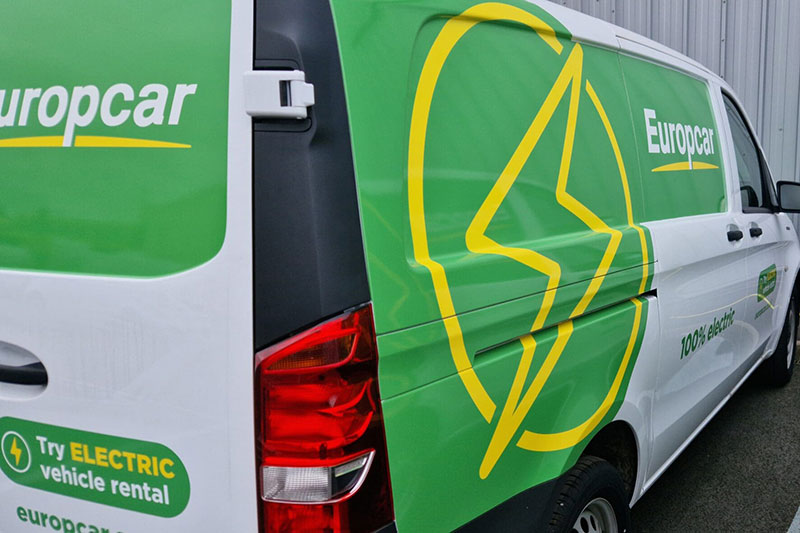
Battery range is biggest barrier to electric transition for half of businesses – Europcar
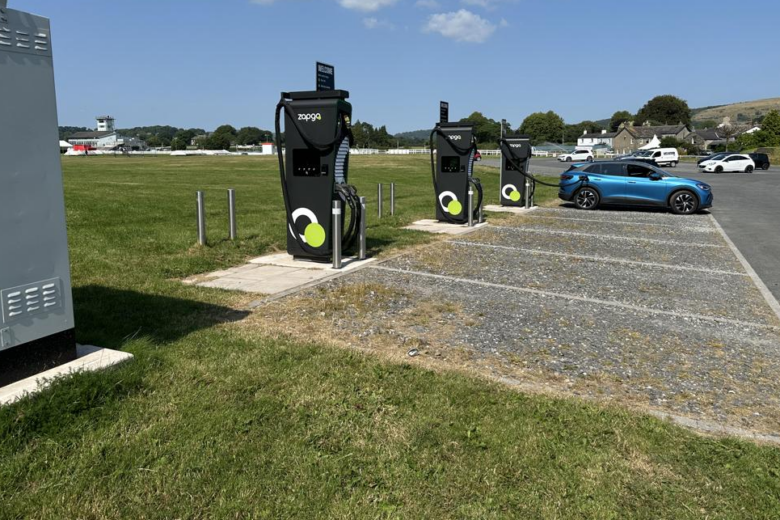
Zapgo opens charging site at Cartmel Racecourse
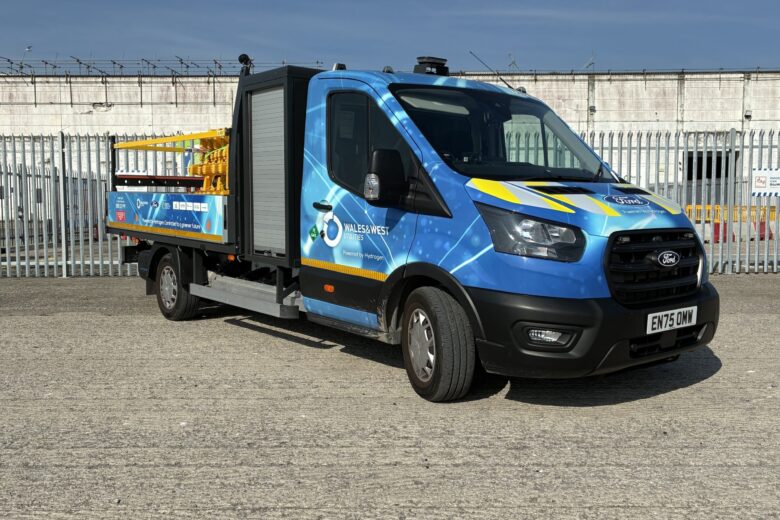
Ford and WWU partner to reduce carbon emissions

Euro 7 could force fleets to choose between compliance and EV transition, warns Dawsongroup

Fastned calls on Govt to level VAT playing field as public charging found to cost £270 more per year
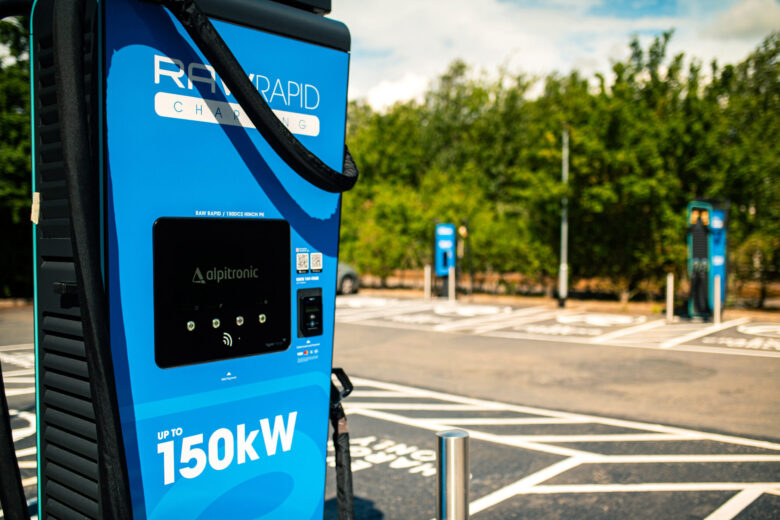
RAW opens Huntington charging hub
Steadplan electrifies delivery fleet with MAXUS eDELIVER 7

Tom Hartley Jnr selects Andersen EV to install charge points at The Firs showroom

Bosch Road Services opens Electroway secure truck parking site in Leicestershire
AION unveils UT Cross and GS7 models
Škoda Epiq adds SportLine model to range