
EV charging investment at risk from ZEV Mandate changes, Zest warns
Zest has warned that changes to the ZEV Mandate could weaken investor confidence in UK charging infrastructure, arguing that long-term certainty over EV demand is needed to unlock private capital.

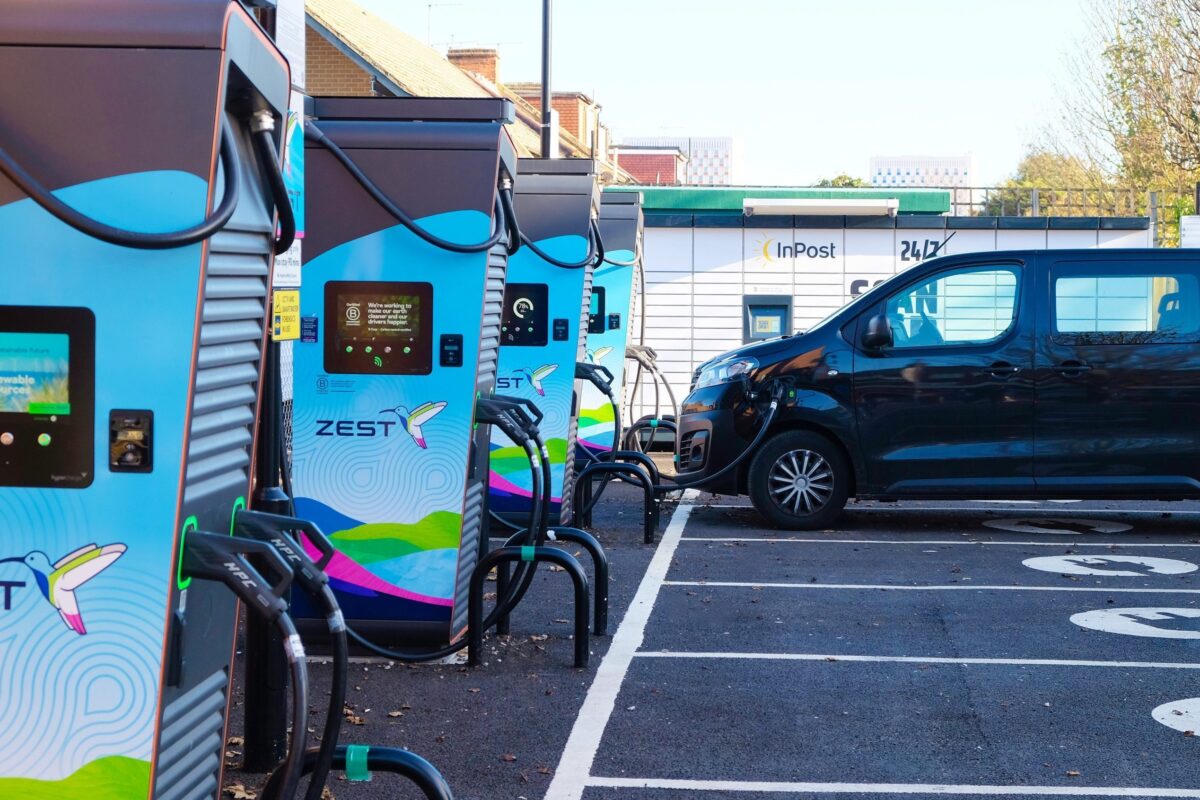
EV infrastructure provider Zest has warned that weakening the UK’s Zero Emission Vehicle Mandate could put private investment in charging infrastructure at risk.
The warning comes as the Government consults on the mandate’s trajectory and annual targets ahead of the 23rd October deadline.
Zest said the mandate acts as a demand signal for investors funding long-term charging infrastructure projects, with lower future EV adoption potentially reducing the case for investment in new charging capacity.
The company said charging infrastructure can require years of planning, including site identification, land agreements, grid connections and construction, while contracts can run for at least 15 years after sites become operational.
Robin Heap, chief executive officer of Zest, said: “If we weaken the demand signal, we risk weakening the investment that follows it. And that could leave the UK with a damaging chicken-and-egg problem: people won’t switch without convenient charging, but the infrastructure sector won’t invest at scale without confidence in future demand.”
Heap added: “Businesses can’t and won’t commit decades ahead when the landscape is uncertain. Stifling investment now, could lead to stagnation, job losses and missed opportunities for the UK.”
Zest pointed to battery-electric vehicle registrations increasing by 27.7% year-on-year in August and argued that infrastructure investment needs to be made ahead of expected vehicle demand.
Heap said: “The UK can’t build tomorrow’s charging network by weakening today’s EV targets. If Government reduces the signal that tells investors how fast the market will grow, it risks creating uncertainty at precisely the moment we need more. Much of the investment comes from international investors.”
Related
Arnold Clark Charge adds six ultra-rapid EV chargers in Huddersfield
Electric van sales “far adrift” of ZEV Mandate, SMMT warns
Zapgo opens charging site at Cartmel Racecourse
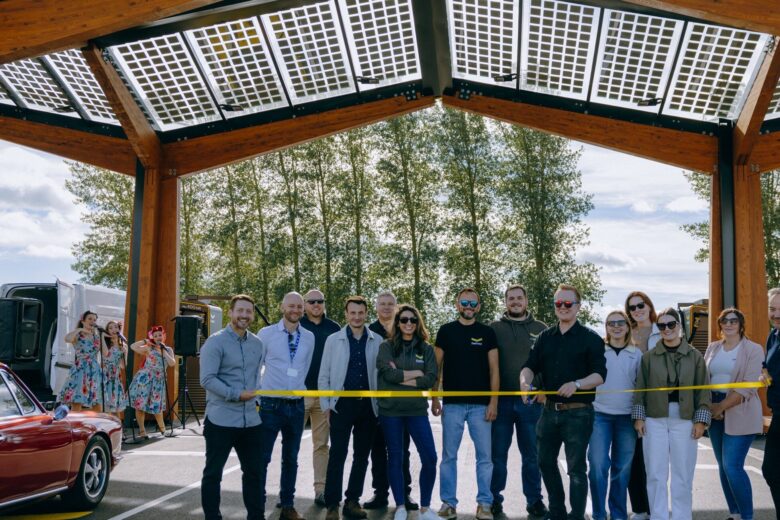
Fastned opens EV charging hub on A1 near Newark
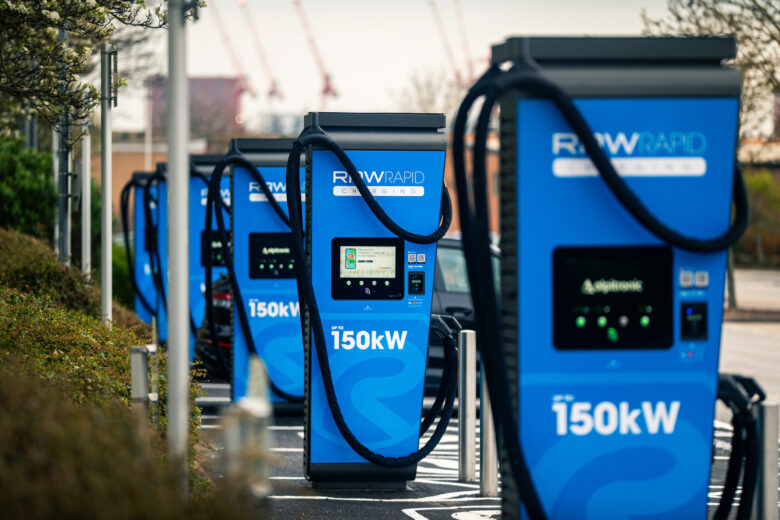
RAW opens 14-bay EV charging hub in Aberdeen

Fastned calls on Govt to level VAT playing field as public charging found to cost £270 more per year
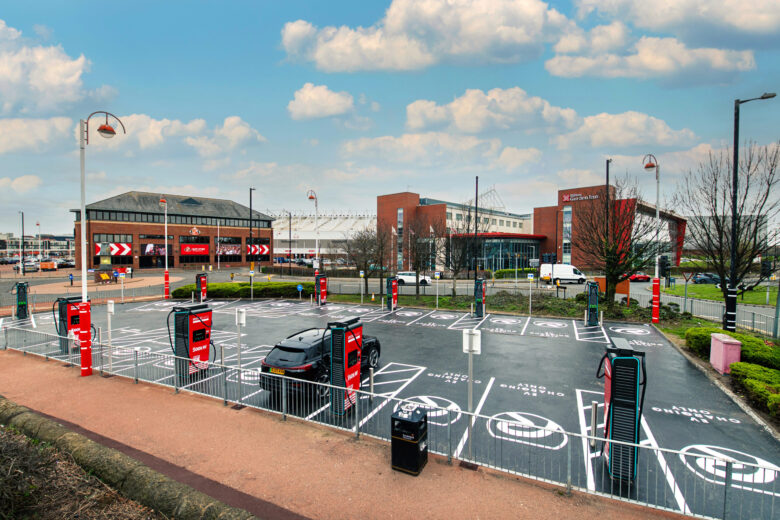
RAW Charging and Sunderland AFC to open 20-bay EV hub
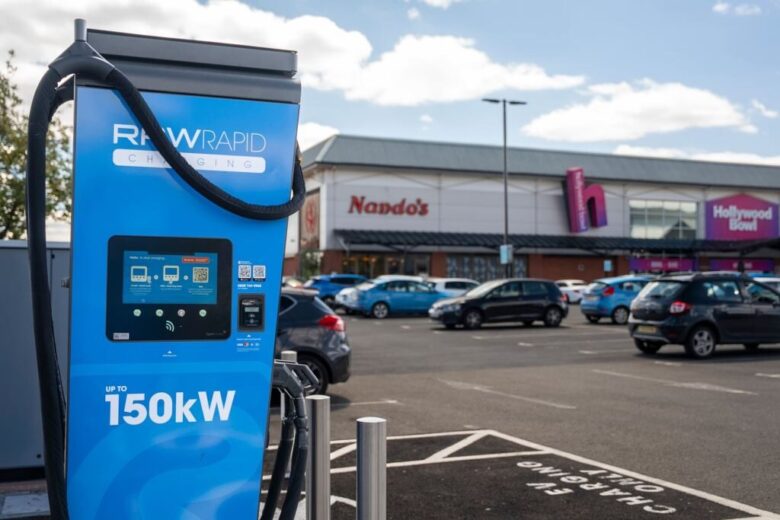
RAW marks opening of Wolverhampton hub with free charging
Zapgo opens Barrow-in-Furness EV charging hub
BYD launches ATTO 8 at Paris Motor Show
Battery range is biggest barrier to electric transition for half of businesses – Europcar
