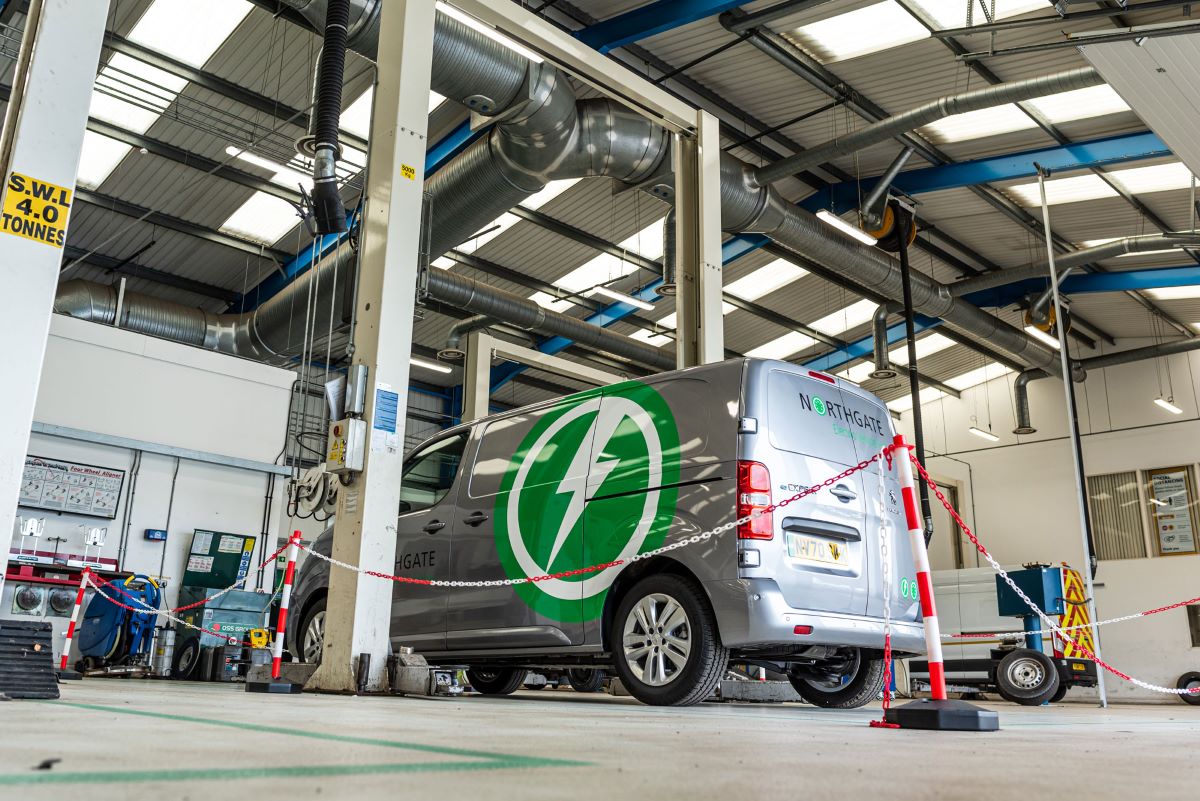
The cost also extends beyond the workshop invoice. A van undergoing repair may be unable to complete deliveries, attend customer appointments or transport the equipment required for a job.
The business may need to hire a replacement vehicle or reorganise workloads until it returns.
A realistic repair-risk budget should therefore account for both the mechanical cost and the consequences of a vehicle being unavailable.
Major failures require a separate contingency
Businesses also need to prepare for less frequent but significantly more expensive failures.
The highest individual repair within WSG’s recent LCV analysis exceeded £6,000, with engines, gearboxes and turbochargers responsible for some of the largest claims.
A bill of this size can be particularly difficult for an SME operating a small number of vehicles. It may also force the business to make a rushed decision about whether to repair or replace the van while dealing with the immediate operational consequences.
No budget can predict exactly when a major component will fail. It can ensure that the business has decided in advance what level of expenditure it could absorb, when warranty protection is appropriate and when further investment in an individual vehicle may no longer make commercial sense.
Build the budget from what the fleet has already revealed
The most useful starting point is the business’s own repair history.
Operators should review expenditure from the previous 12 months, separating scheduled servicing and consumable items from unexpected mechanical and electrical work.
The review should include: the number and value of unplanned repairs, labour and diagnostic costs, recovery and replacement vehicle expenses, the number of days each van was unavailable, recurring faults affecting the same vehicle, and repairs covered by warranty and those funded directly.
Looking only at the total maintenance figure can disguise important patterns. One van may have required a single expensive repair, while another generated several smaller bills and spent considerably longer off the road.
The business can use this evidence to establish a working annual allowance, adjusted for changes in fleet size, mileage and vehicle age.
Adjust the allowance for the year ahead
The previous year’s figures should then be adjusted for expected changes, including:
- An increase or reduction in fleet size.
- Vehicles moving beyond manufacturer warranty.
- Rising annual mileage.
- Vans entering older or higher-risk stages of their lifecycle.
- Changes in routes, loads or operating intensity.
- Planned vehicle replacements.
This produces a reasoned allowance for recurring repairs, grounded in the fleet’s actual history rather than guesswork.
Less frequent major failures can be addressed through an additional contingency, appropriate warranty protection or a combination of the two.
Match the approach to each vehicle
A single fleet-wide figure is useful for financial planning, but it should be supported by an assessment of individual vans.
A business operating newer vehicles under manufacturer warranty will have a different exposure from one running older, higher-mileage stock.
The commercial importance of each van also matters. A vehicle that is essential to fulfilling customer contracts may justify stronger protection than one with limited use or readily available replacement capacity.
For each vehicle, businesses should consider:
- Its age, mileage and service history.
- The frequency and cost of previous repairs.
- How critical it is to daily operations.
- The availability of a replacement vehicle.
- Whether a breakdown would stop revenue-generating work.
- The protection currently in place.
This vehicle-by-vehicle assessment helps operators decide which costs they are comfortable funding directly and which eligible risks should be transferred through warranty protection.
Routine servicing, consumables and maintenance still need to be budgeted separately.
Use expenditure to improve fleet decisions
A repair-risk budget should do more than reserve money for future bills. It can provide evidence to support decisions about maintenance, protection and replacement.
If one van repeatedly exceeds its expected allowance, its reliability may be deteriorating. If several vehicles develop similar faults, the business may need to adjust maintenance practices, vehicle use or future purchasing decisions.
Operators can establish review points for vehicles when:
- Unplanned repair costs exceed an agreed annual threshold.
- Workshop visits become more frequent.
- Downtime begins affecting customer commitments.
- Parts become difficult to source.
- Another substantial repair is unlikely to extend the van’s useful working life.
These are not automatic replacement triggers. They are prompts for a structured commercial review before further money is committed.
Turn unexpected expenditure into a planned risk
A budget cannot prevent a component from failing, but it can stop the resulting invoice from becoming a business crisis.
The strongest plans recognise both recurring repair costs and the less frequent major failures capable of disrupting cash flow and operations.
Planning for both gives van-dependent businesses a firmer basis for protecting cash flow, selecting suitable warranty support and deciding when continued investment in a vehicle no longer makes commercial sense.
For a van-dependent company, that is not simply fleet management. It is part of keeping the wider business moving.
Dennis Brett is claims director at Warranty Solutions Group