EVs still prone to 12V battery issues, warns Protyre
EVs still rely on a conventional 12V battery to power door locks, dashboard electronics, control modules and high-voltage battery control systems.

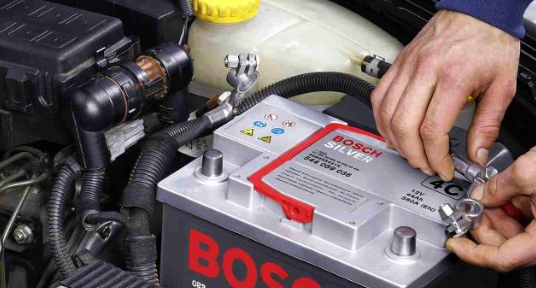
Protyre Autocare has warned that electric vehicles (EVs) are still prone to 12V battery issues, which can result in a non-functional vehicle, even if the high-voltage traction battery is healthy.
EVs still rely on a conventional 12V battery to power door locks, lights, dashboard electronics, control modules and high-voltage battery control systems.
Protyre said that awareness of 12V battery issues is low among EV drivers, as many assume their vehicles do not have them.
It said that hot weather can accelerate battery ageing, and that colder autumn temperatures can expose damage caused over the summer.
Protyre said that EV drivers should look out for difficulty unlocking their vehicle, electrical issues, warning messages, or issues with the vehicle entering ‘ready’ mode.
These issues are often associated with a failing 12V battery.
Neal Rhodes, head of retail training at Protyre Autocare, said: “One of the biggest misconceptions about EVs is that battery problems disappear once you switch from petrol or diesel.
“In reality, every EV still relies on a conventional 12V battery to power many of the systems drivers use every day. If that battery fails, you may not be going anywhere—even if the main battery is fully charged.
Related

epyx expands access to direct diary bookings for fleets
Leapmotor to rival VW ID. Polo, Renault 5 with B03 hatchback
Smart #2 revealed as sub-£20k Fortwo successor
Volkswagen reveals ID. Tiguan as replacement for ID.4 and ID.5
BMW prices X5 from £85,885, iX5 EV from £85,375
Battery range is biggest barrier to electric transition for half of businesses – Europcar
KGM Torres EVX receives £1,500 Electric Car Grant
Hyundai IONIQ 3 qualifies for full ECG, now priced from £18,495
Renault boosts Scenic E-Tech range to 392 miles for 2027
Source launches Rewards for fleet and private hire drivers

Arval UK passes 30% EV mix across leased fleet