Fleet operators urged to adopt low bridge detection tech to cut strikes
New data shows 1,666 bridge strikes in a year as firms look to AI systems to improve fleet safety.

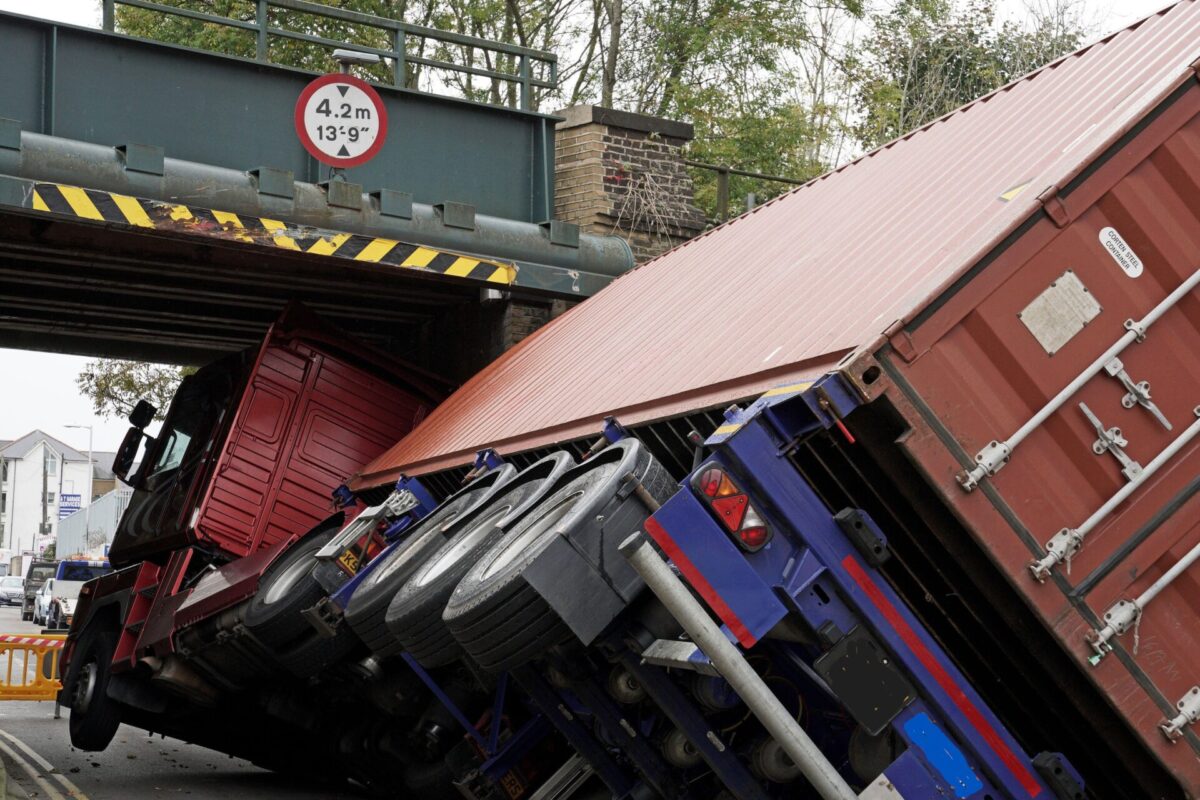
Fleet operators are being urged to adopt advanced low bridge detection technology as part of wider efforts to reduce bridge strikes and improve road safety.
Latest figures from Network Rail show there were 1,666 bridge strikes between 1st April 2024 and 31st March 2025, causing more than 120 days of rail delays and costing the taxpayer around £23m.
Most incidents involve high-sided vehicles and are often avoidable through better route planning and awareness of vehicle height and bridge clearances.
Durite has introduced an AI low bridge detection system using camera technology, artificial intelligence and GPS linked to a UK bridge database to identify risks in advance and alert drivers.
John Nobbs, sales director at Durite, said: “The cost of bridge strikes is not just damage and disruption, it’s about the risk to lives, the knock-on impact on road and rail users, and the reputational and operational consequences for fleets.
“With low bridge detection systems as an added safety feature, operators can receive timely alerts when approaching hazardous clearances. While these systems are designed to help prevent collisions, they are a supplement to, rather than a replacement for, careful route planning and standard safety procedures.”
Sentinel Systems is now supplying the technology as part of its vehicle safety portfolio, with both firms aiming to improve fleet safety standards.
John Little, managing director at Sentinel Systems, said: “Compatibility with MDVR systems, ease of use, and the clear warning provided to drivers when comparing bridge height to vehicle height are key differentiators when compared to other low structure detection technologies.
Related

Fleet operators warned as bridge strikes peak in October
Touchscreens to be next area of focus for fleet safety, says Arval
Cadent cuts fleet insurance claims costs by 28% after TTC partnership
Richfords cuts fleet collision risk by 22% with Geotab Vitality
LytxOne launches to support UK fleet management

Smartwatches and workplace notifications pose driver distraction risk, warns Fleet Operations

Businesses urged to widen fleet risk focus after DfT collision data
Motive Vision to return in Austin for 2027

Employers should review how they communicate with drivers – Venson
Loomis selects VisionTrack to support safety and risk reduction across UK fleet

Quality of safety tech onboarding not consistent across fleets – Teletrac Navman