
Fleet operators warned as bridge strikes peak in October
The seasonal increase has been attributed to shorter days and increased delivery activity ahead of the Black Friday and Christmas periods.


Commercial fleet operators are being urged to review their prevention procedures for bridge strikes as incidents are expected to almost double during October, according to specialist transport law firm LMP Legal.
Figures from Network Rail show that Britain averages around five bridge strikes a day, with the number almost doubling during October, the peak month for incidents.
The seasonal increase has been attributed to shorter days and increased delivery activity ahead of the Black Friday and Christmas periods.
Most railway bridge strikes involve HGVs and buses, with each incident costing approximately £13,000 on average and the cumulative annual cost to UK taxpayers estimated at £23m.
Although the number of reported incidents has fallen by around 18% over the past decade, from 2,039 in 2017 to 1,666 between April 2024 and March 2025, the latest annual figure represents an 8.75% increase on the previous year.
Network Rail research also found that 43% of lorry drivers admitted to not measuring their vehicle before setting off, while 52% did not consider low bridges when planning their routes.
LMP Legal warned that the consequences of a bridge strike can extend beyond vehicle damage and disruption, potentially resulting in police investigations and proceedings before the Traffic Commissioner.
Investigations may examine an operator’s driver training, route planning, vehicle height information and use of technology, including AI-enabled camera and warning systems.
Related
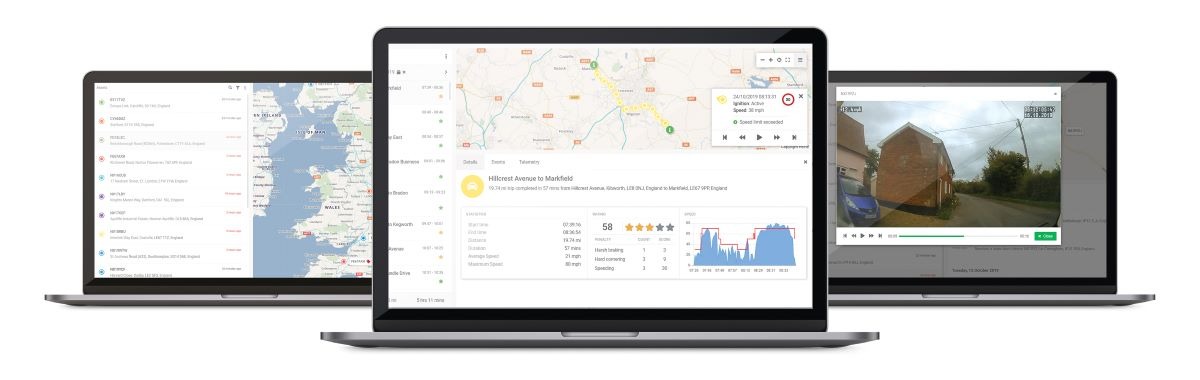
LMP Legal warns of legal risks from ignoring telematics data
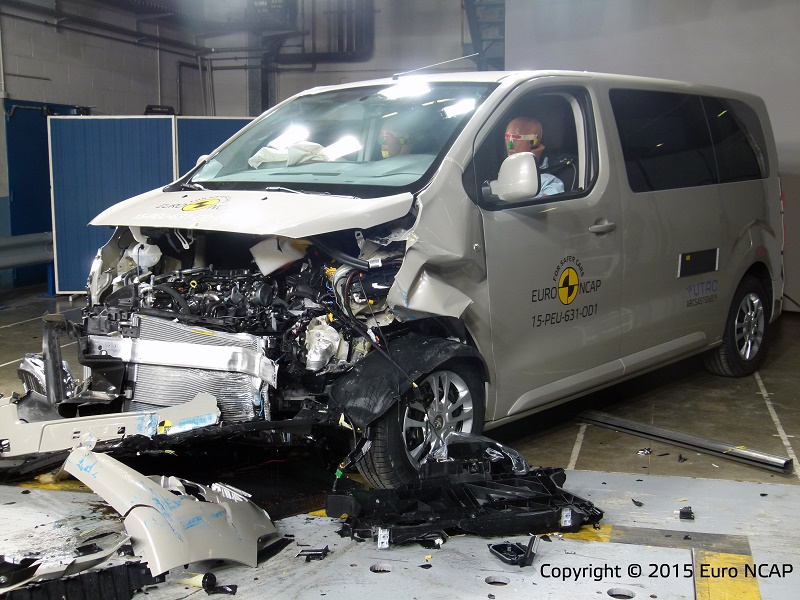
McCarron Coates highlights importance of immediate legal support following serious road incidents

In-car technology and driver distraction cause one in three crashes – Allianz

Drivers caught speeding up 32% between 2022 and 2025
LytxOne launches to support UK fleet management

Tyre pressure risk rises as temperatures fall – Mobile Tyre Buddy

Vertellus launches free EV transition toolkit for fleet operators

Targa Telematics provides OEM data and AI insights to Jurni Leasing
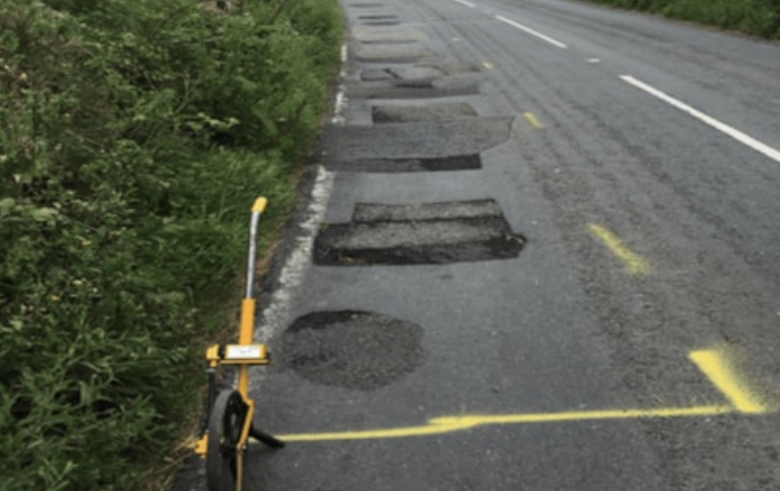
Cornwall and Wiltshire councils model Govt pothole repair funding use

Allstar launches AI-powered fleet intelligence tool

Inexperienced fleet managers inspiring software innovation, says FleetCheck