
Fuel Duty relief outweighs EV charging support by 13 to one, analysis finds
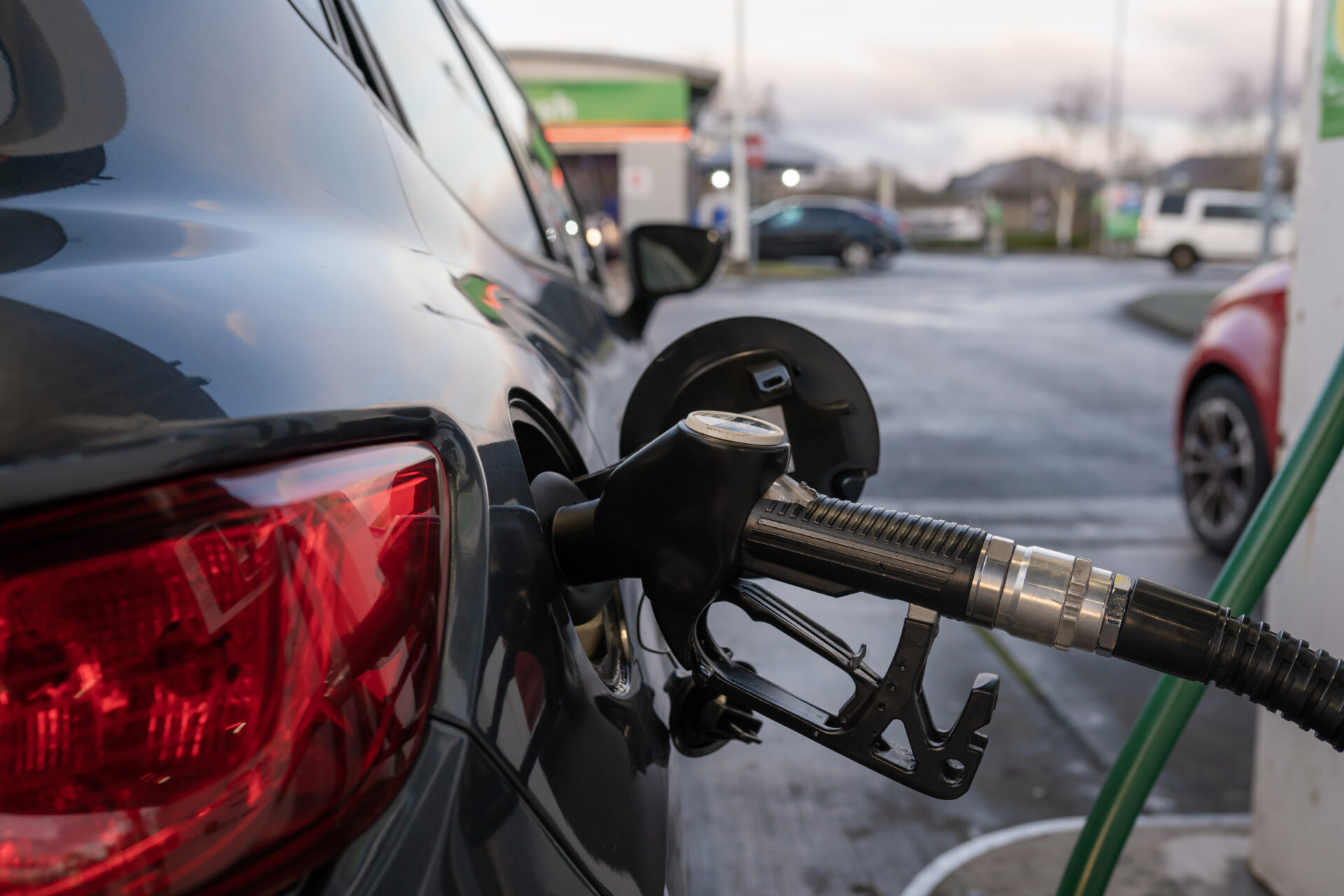
The Budget extended the existing 5p-per-litre Fuel Duty cut until July 2027, while maintaining VAT on public EV charging at 20%.


The Government has committed more than £13 to Fuel Duty relief for every £1 allocated to reducing public electric vehicle (EV) charging costs in the Autumn Budget, according to analysis by New AutoMotive.
The independent transport research organisation found that extending Fuel Duty relief will cost the Exchequer £1.35bn across 2026-27 and 2027-28, compared with £100m committed over two years to making local public EV charging more affordable.
The Budget extended the existing 5p-per-litre Fuel Duty cut until July 2027, while maintaining VAT on public EV charging at 20%.
Meanwhile, the temporary 0% VAT rate on domestic electricity has been extended until July 2027, maintaining a difference in tax treatment between motorists charging at home and those relying on public infrastructure.
Tanya Sinclair, CEO at Electric Vehicles UK, said: “The Chancellor is throwing good money after bad. Instead of investing in a future where drivers are less exposed to volatile oil prices, he’s spending billions cushioning the cost of staying dependent on them.
“Nobody wants motorists paying more at the pump, but there is a difference between protecting drivers today and helping them escape high fuel costs tomorrow.
“Keeping public charging VAT at 20% while extending fuel duty relief is a missed opportunity to make cleaner motoring fairer. The Government talks about making the switch to electric easier, but its tax policy tells a very different story.”
The Government’s £100m charging commitment is intended to reduce the cost of local, lower-powered public charging, with eligible drivers expected to save approximately £150 annually from spring 2027.
Related
Autumn Budget 2026: Industry calls for EV support through VAT cuts and grid reform
Autumn Budget 2026: Fuel Duty cut extended to July 2027
Autumn Budget 2026: Increase in mileage rates, cheaper public charging, BiK rises, more
Majority of EV drivers with home charging report lower costs than ICE – EVA England
FairFuelUK calls for duty cut as inflation hits 3.5%
Autumn Budget 2026: Teletrac Navman calls for action beyond Fuel Duty freeze
Autumn Budget 2026: Healey plans to freeze fuel duty
Autumn Budget 2026: FairFuel UK demands Fuel Duty cut, legally enforced profiteering watch
Autumn Budget 2026: No eVED reform despite industry outcry
Autumn Budget 2026: Higher mileage rate jumps to 35p per mile
Govt must examine BiK, update financial forecasts to reflect Fuel Duty, review grey fleet policy – AFP