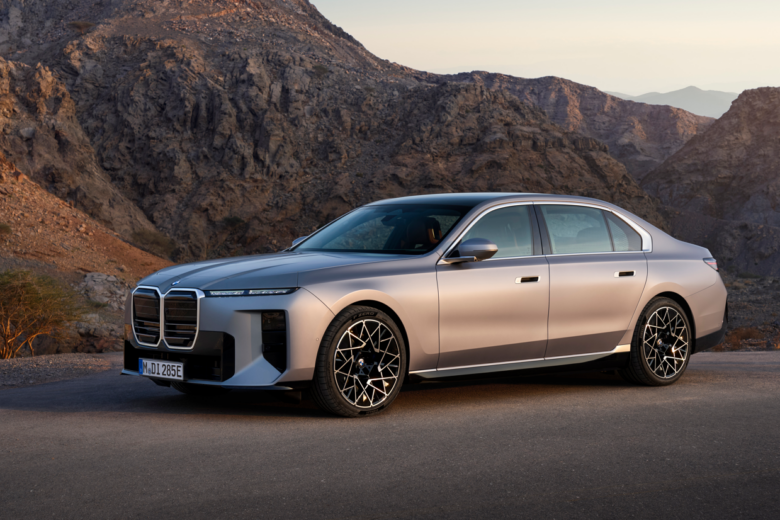
Geotab sees fleets reduce fuel waste and accelerate electrification in sustainability report
In the report, Geotab looks at how organisations across five continents are using connected-vehicle data to lower emissions and reduce fuel costs.


Findings from Geotab’s fifth annual ‘Sustainability and Impact’ report has revealed how organisations are reducing fuel waste, cutting idling by up to 30%, reducing collisions and accelerating electrification.
Geotab looked at how organisations across five continents are using connected-vehicle data to lower emissions, reduce fuel costs, and improve road safety.
Neil Cawse, founder and CEO at Geotab, said: “Fuel volatility is a reminder that sustainability is a business strategy.
“When integrated with a pragmatic focus on short-term value, sustainability measures can drive both efficiency and profitability.
“Every operational improvement is an immediate, measurable step toward resilience and growth.”
In 2025, Geotab-connected electric vehicles travelled over 870 million miles (1.4 billion kilometres), as fleets used data to make decisions about vehicle efficiency, driver behaviour and electrification strategy.
The research showed that tarmac reduced idling by 30% within three months, achieved 25% improved fuel economy, and cut speeding violations by 50%.
Cawse added: “Geotab’s greatest contribution to sustainability is helping the transportation industry optimise operations.
Related
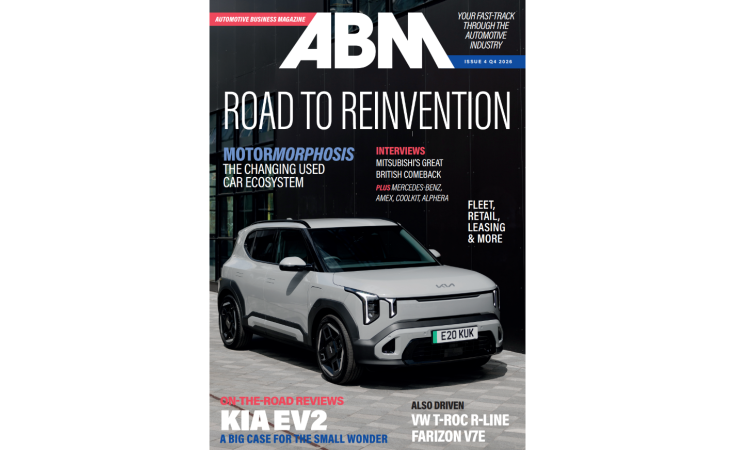
“Circularity is increasingly becoming a commercial issue” – ABM Q4 covers reviews, battery recycling, business travel, more

New Roads launches to offer reliable route planning

Samsara launches AI agent platform as adoption surges sevenfold
Trump plans to ban diesel exports, pushes UK fleets towards electrification
More than half of drivers would drive less if fuel continued to rise – eBay
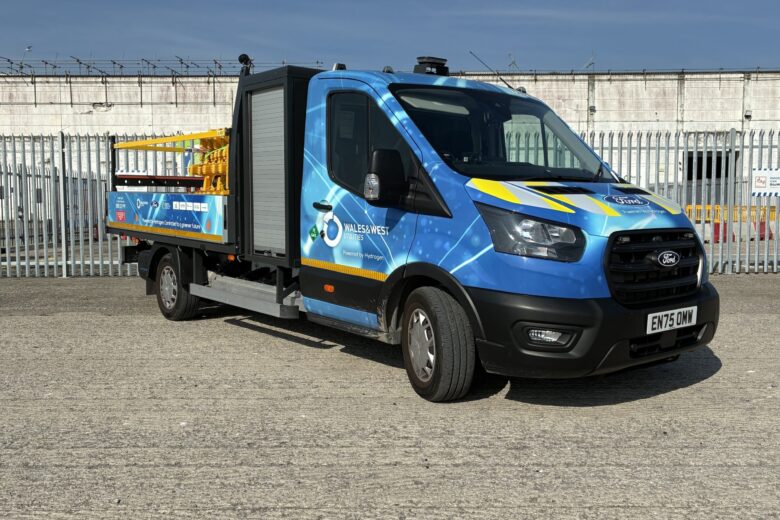
Ford and WWU partner to reduce carbon emissions

Euro 7 could force fleets to choose between compliance and EV transition, warns Dawsongroup
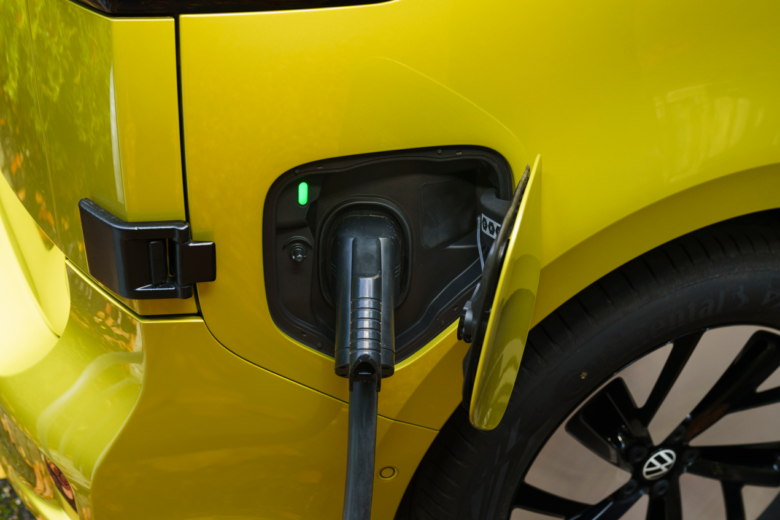
More van drivers considering electric due to rising fuel prices, finds Volkswagen Commercial Vehicle

Four in five drivers would consider professional refreshers – AA Insurance

Tom Hartley Jnr selects Andersen EV to install charge points at The Firs showroom
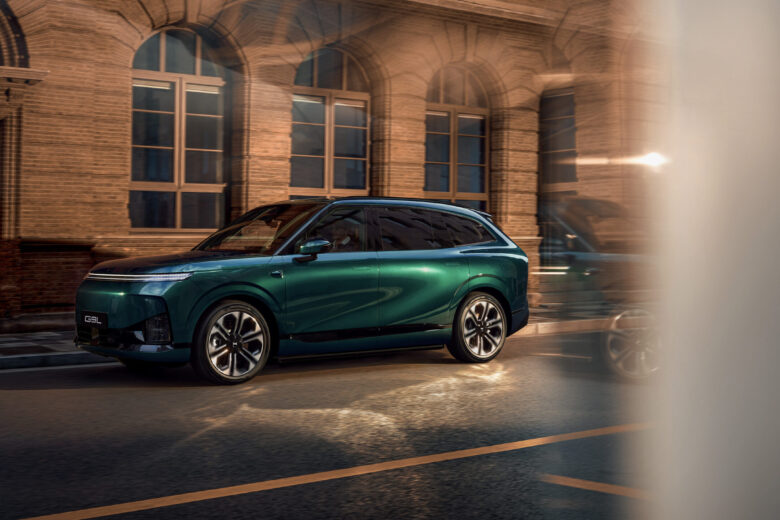
XPeng unveils G9L at Paris Motor Show