Nobody complained when electric cars arrived without gearboxes. The engineers explained that electric motors don’t need them, everyone nodded, and that was that. Problem solved. Progress made. Move on.
What nobody anticipated was that three years later those same engineers would be spending millions trying to put the gearbox back. Not a real one. A fake one. Software. A simulation of something the car doesn’t have and doesn’t need, built at enormous cost and calibrated over months of development time, because it turns out that when you remove the thing people didn’t know they loved until it was gone, they notice. And they would quite like it back please.
The BMW M5 has a simulated eight-speed gearbox. The software selects ratios that do not exist. The car produces artificial resistance and theatrical hesitation between those ratios to give the impression of changes being made.
None of it is real. None of it needs to be real. The M5’s electric motors would perform measurably better without the simulation.
But the engineers and the psychologists and the product planners have established, at considerable development cost, that better performance is not what the customers are asking for.
The customers are asking for the feeling. And so the M5 has a fake gearbox.
The Hyundai Ioniq 5 N simulates gear changes. The Renault 5 Turbo 3E simulates a manual transmission, specifically the manual transmission of a car that was discontinued 40 years ago, which means it is a simulation of a simulation of a memory. Ferrari pipes recorded engine sounds through speakers in the Luce so that owners do not feel too bereft about the silence. Mercedes AMG adds artificial acoustic theatre.
And this week the automotive press is asking, with apparent seriousness, why manufacturers are putting fake gearboxes in performance EVs, as if the answer requires investigation.
Related
AION unveils UT Cross and GS7 models
Škoda Epiq adds SportLine model to range
BMW prices X5 from £85,885, iX5 EV from £85,375
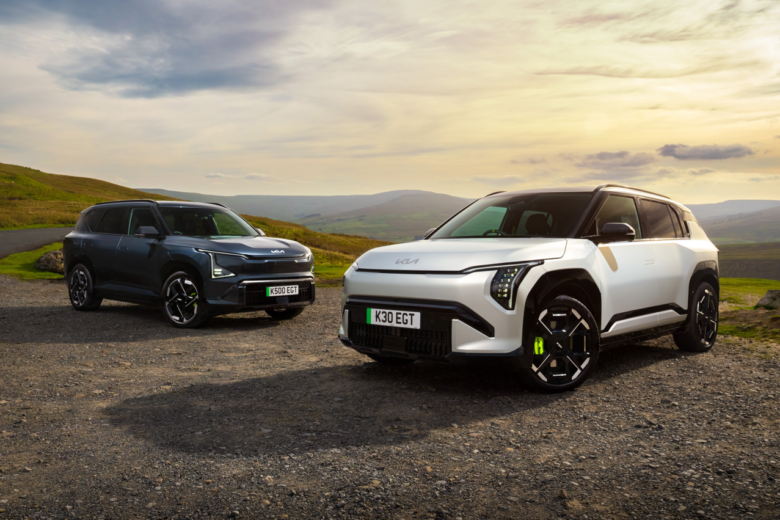
Kia releases UK pricing and specification for GT models
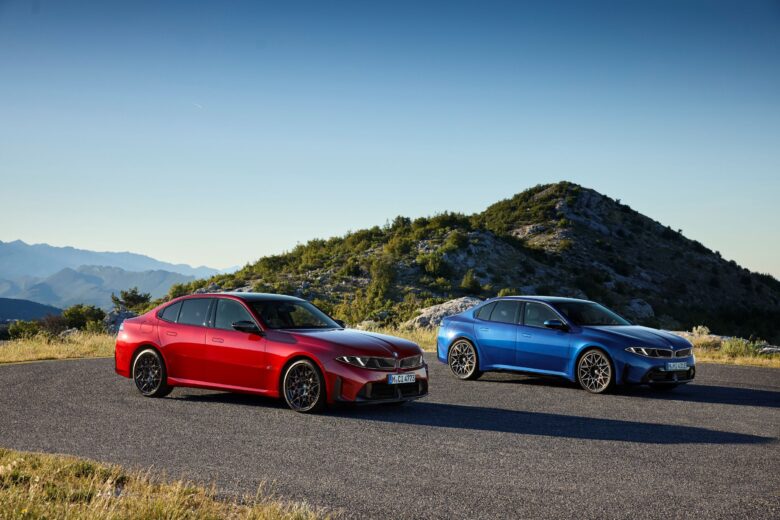
BMW reveals G50 3 Series: ICE-only at launch, PHEV to follow
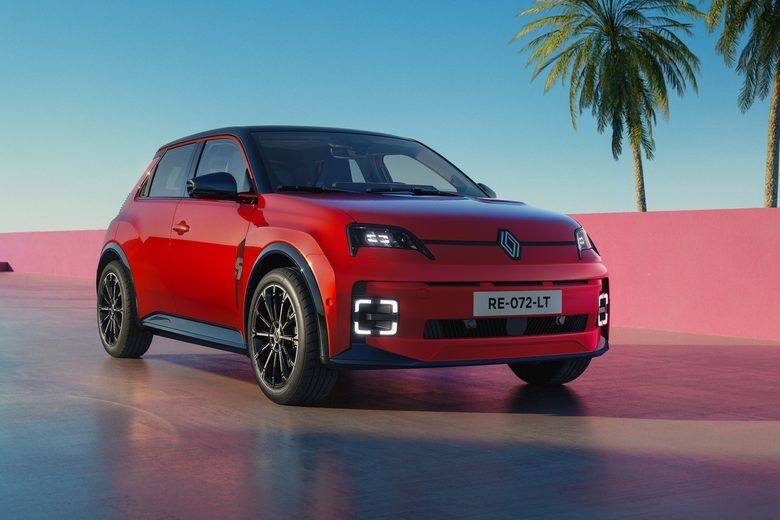
Renault 5 gains extra range and technology for MY27

Defender unveils three Wolf Series II variants at Millbrook
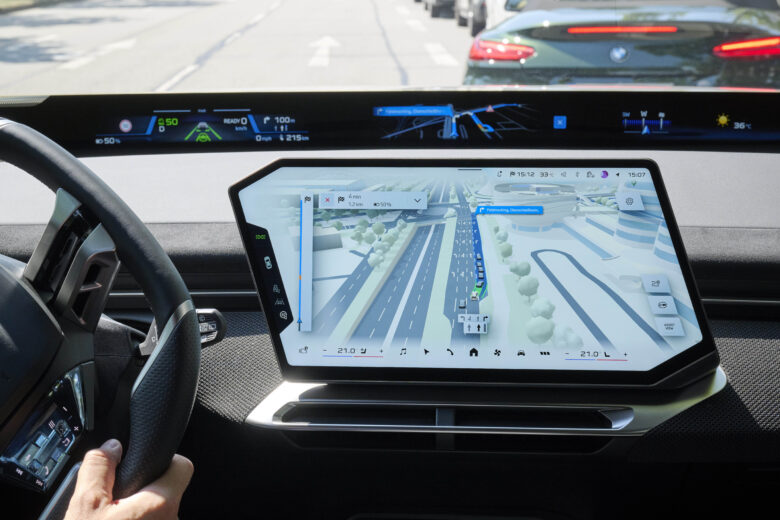
BMW to add 3D view for navigation and driver assistance
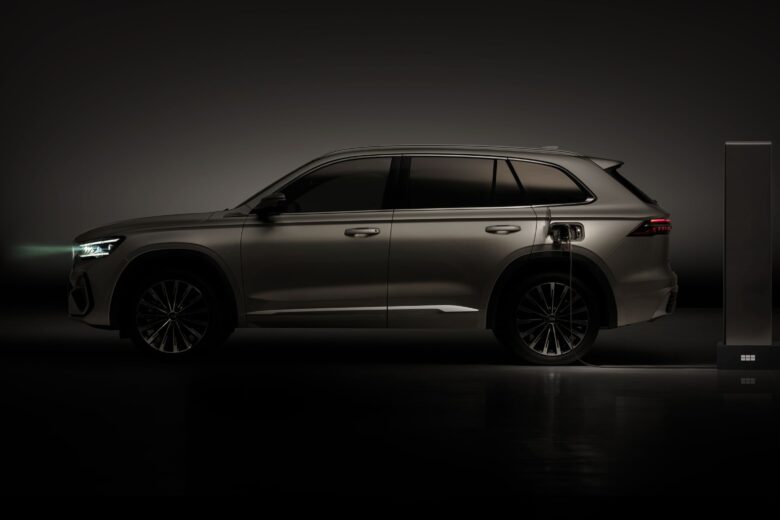
Geely Monjaro EM-i to make European debut at Paris Motor Show
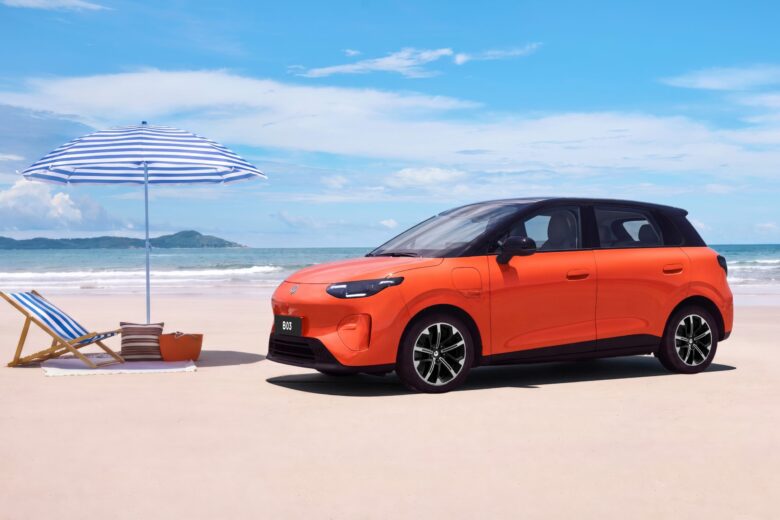
Leapmotor to rival VW ID. Polo, Renault 5 with B03 hatchback
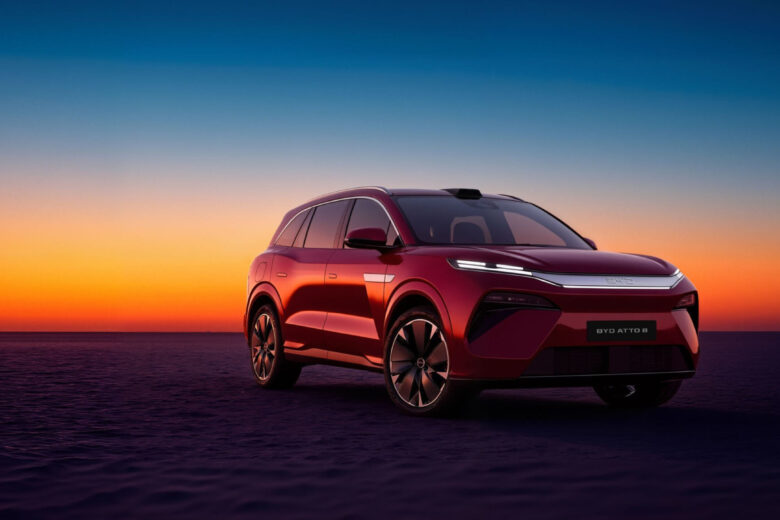
BYD launches ATTO 8 at Paris Motor Show