Kia reveals PV7 as second model in electric van range
The Kia PV7 Long is around the size of a long-wheelbase Volkswagen Transporter or L2H1 Ford Transit Custom.

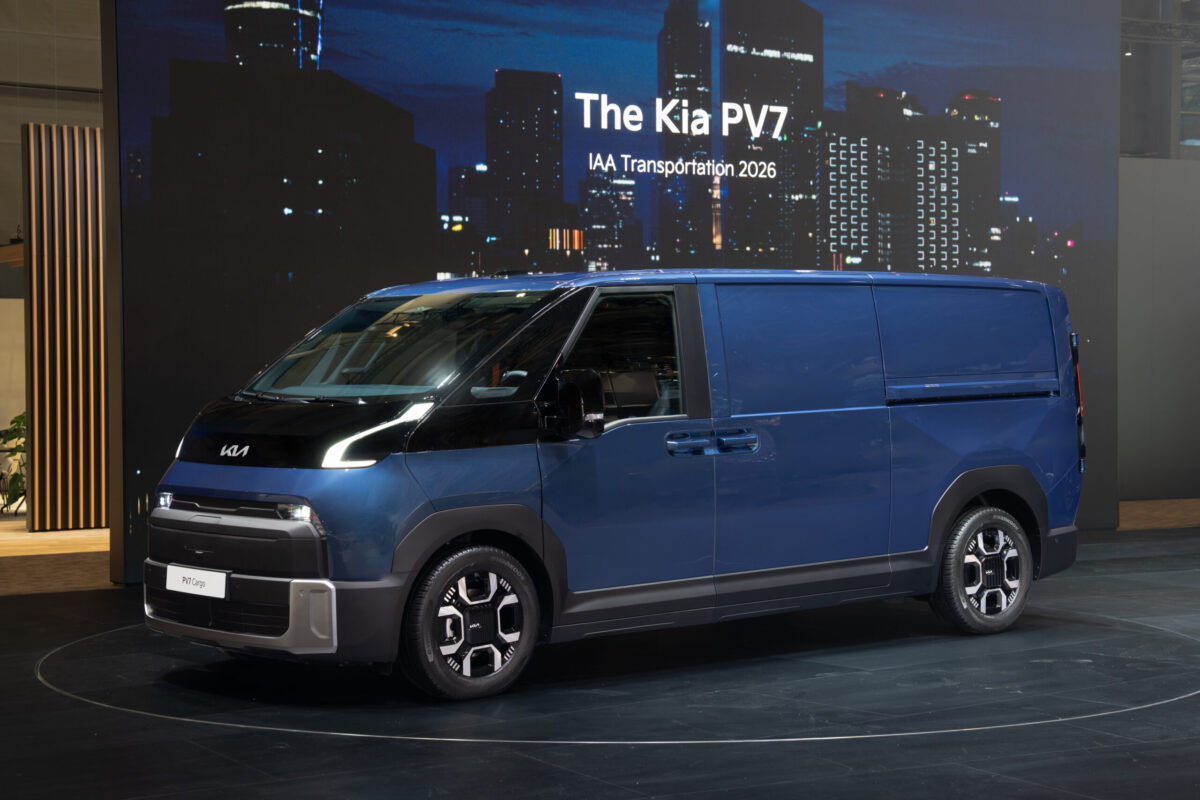
Kia has revealed the PV7, the second model in its Platform Beyond Vehicle (PBV) electric van range, at IAA Transportation 2026 in Hanover.
Cargo and passenger variants are offered, with up to 286 miles of range.
Depending on variant, cargo models have a payload of up to 1,200kg, and can carry up to three Euro pallets.
The Kia PV7 Long is around the size of a long-wheelbase Volkswagen Transporter or L2H1 Ford Transit Custom.
In Cargo High Roof configuration, eight cubic metres of cargo space is available, 0.3 more than the comparable L2H2 Transit Custom.
Kia offers a choice between a lift-up tailgate and rear barn doors.
PV7 Passenger models have seven or nine seats, which were designed to be easily removable.
Nine-seat models can be fitted with or without a fourth row.
Related
DELIVAN unveils European electric van range ahead of 2027 launch
Kia adds high-performance GT variants of EV3, EV4 and EV5
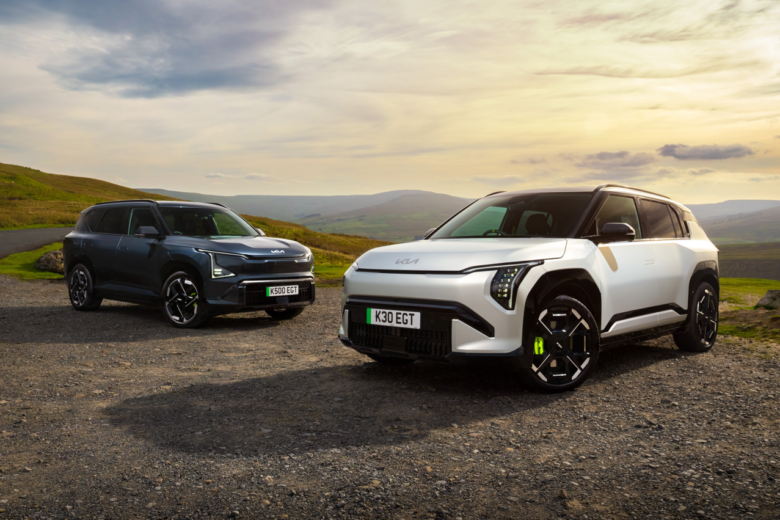
Kia releases UK pricing and specification for GT models
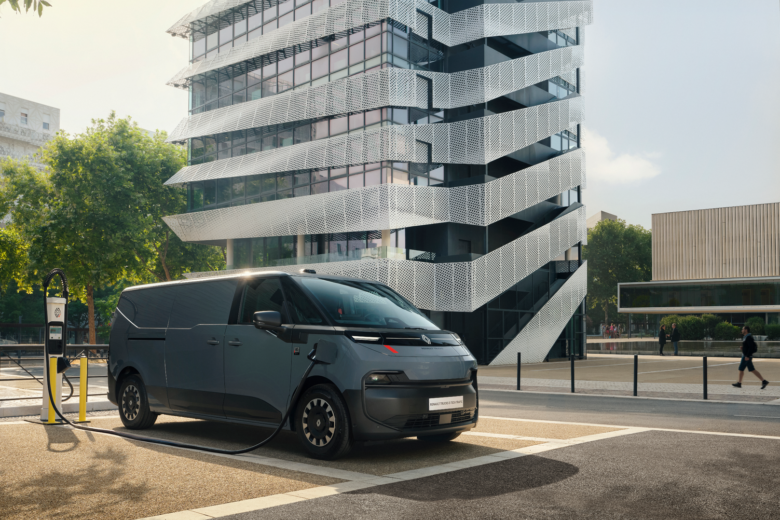
Renault Trucks reveals E-Tech Trafic at IAA
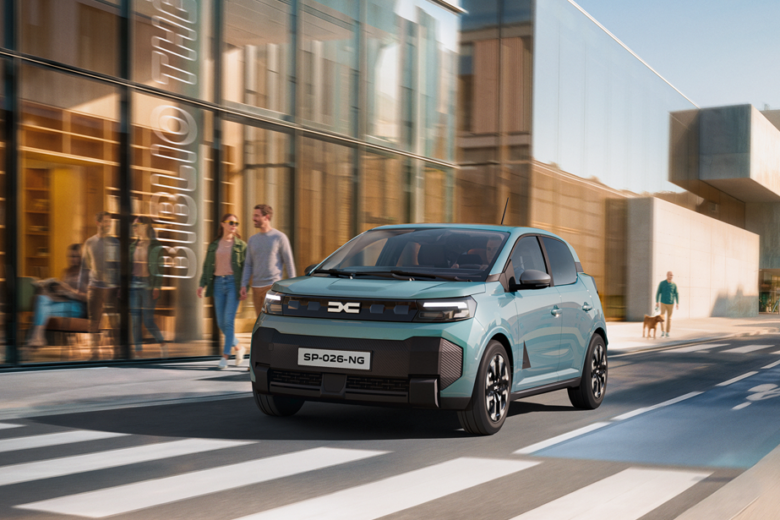
Dacia launches second-generation, European-built Spring
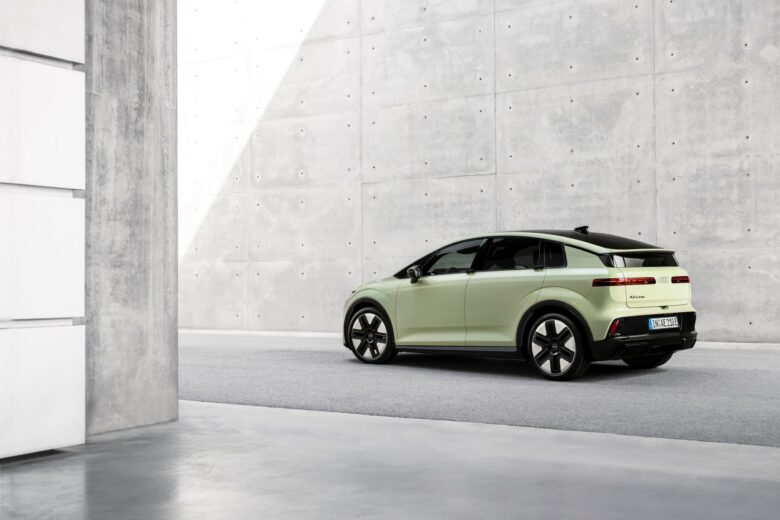
Audi reveals reborn A2 EV with 401 miles of range
Steadplan electrifies delivery fleet with MAXUS eDELIVER 7
Kia and TGS to launch PV5 Chassis conversions in Q4
Volkswagen to replace ID.4 and ID.5 with ID. Tiguan
Jeep opens orders for Compass PHEV and 4xe EV

Nissan teases upcoming Pixo A-segment EV