Leapmotor set to launch car with no auxiliary battery in 2027
Instead of a conventional 12V battery, cars built on CTC 3.0 will convert power from the main high-voltage battery.


At its 2026 Tech Day, Leapmotor revealed Cell-to-Chassis (CTC) 3.0, an architecture that will allow it to launch a car with no auxiliary battery in 2027.
Instead of a conventional 12V battery, cars built on CTC 3.0 will convert power from the main high-voltage battery.
This allows for unified battery management, reduced weight, and periodic replacement of the auxiliary battery.
Cars built on the CTC 3.0 architecture will retain reserve power to ensure the vehicle can be unlocked and turned on, even when the displayed state of charge reaches zero.
Almost all cars since the 1950s, even electric vehicles (EVs), have relied on a 12V auxiliary battery to power the central locking and other vehicle systems.
The Tesla Cybertruck is one of few exceptions, instead using a 48V electrical system, which reduces the amount of wiring needed when compared with a 12V system.
Leapmotor also revealed a 48V electrical system at its 2026 Tech Day. It said the system reduces wiring harness weight by up to 50%.
Other innovations shown at the event include a more compact shock absorber tower for improved cabin space, a fully flat cabin floor, and an integrated air conditioning and powertrain unit.
Related
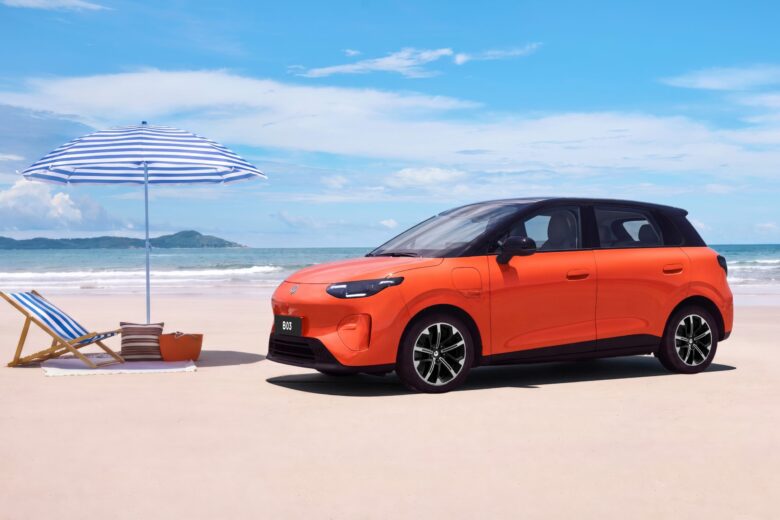
Leapmotor to rival VW ID. Polo, Renault 5 with B03 hatchback

Stellantis to reveal nine concept cars at Paris Motor Show
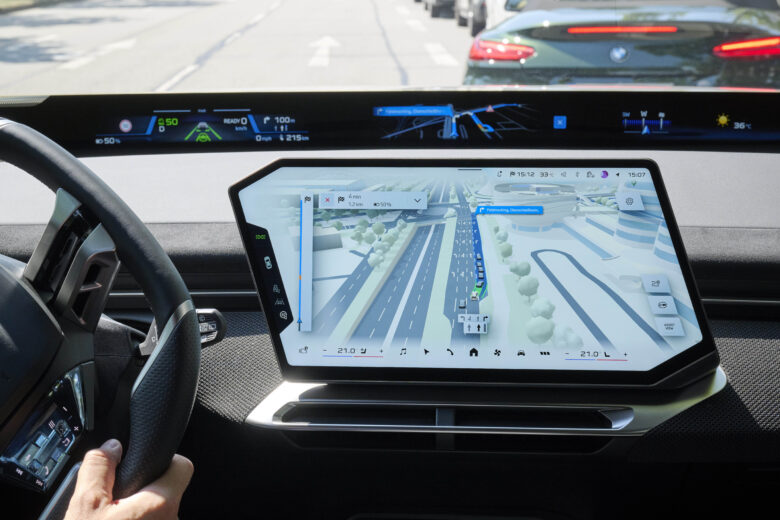
BMW to add 3D view for navigation and driver assistance

Leapmotor opens orders for £30k B05 hatchback

Leapmotor reduces retail price of T03 to £12,995

AION unveils UT Cross and GS7 models
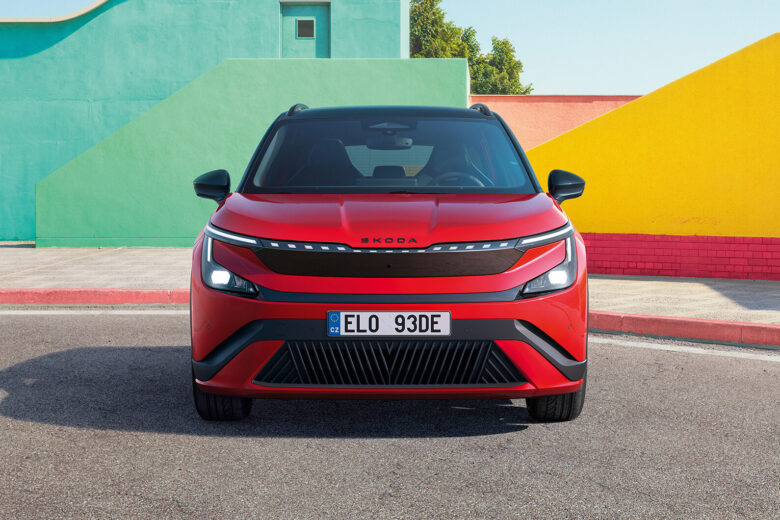
Škoda Epiq adds SportLine model to range
Autoglass rolls out nationwide mobile ADAS recalibration service
Ford and WWU partner to reduce carbon emissions
Touchscreens make simple tasks harder than buttons, say half of drivers

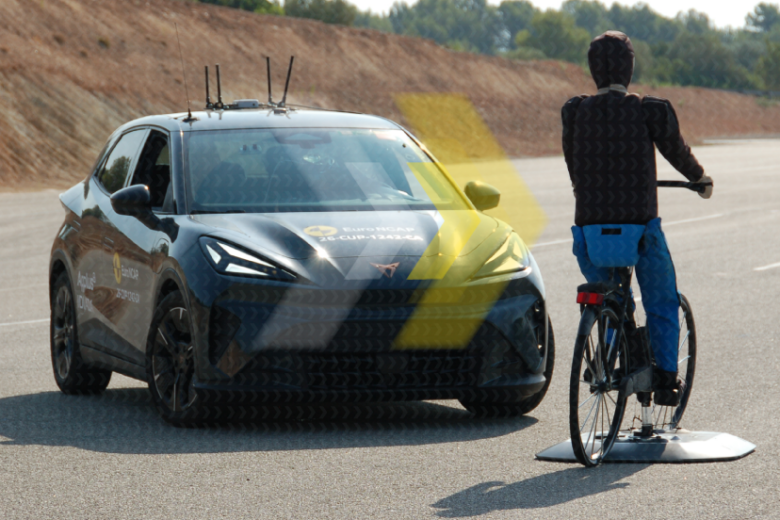
Leapmotor B05 achieves five-star EURO NCAP rating