
LMP Legal warns of legal risks from ignoring telematics data
Simply installing cameras and vehicle monitoring systems is not enough to protect businesses from liability following serious collisions.

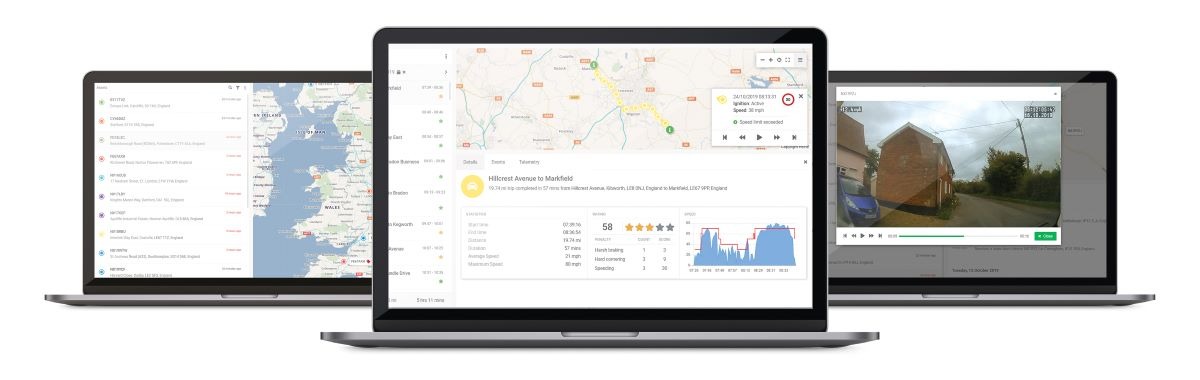
Fleet operators could face criminal or regulatory action if they fail to act on safety concerns identified through dashcam and telematics technology, according to specialist transport law firm LMP Legal.
The firm warned that simply installing cameras and vehicle monitoring systems is not enough to protect businesses from liability following serious collisions, particularly where recorded data reveals repeated instances of dangerous driving or other safety risks.
Speaking at Fleet & Mobility Live alongside Richard Parker, partnerships manager at fleet technology company Lightfoot, Charlotte Le Maire, founder and partner at LMP Legal, urged operators to ensure they regularly review and act on the information collected by their systems.
The warning comes as dashcams, telematics and AI-enabled monitoring technology become increasingly common across commercial fleets, driven by road safety initiatives, insurance pressures and fleet accreditation requirements.
Le Maire said: “Cameras and telematics fundamentally play a vital role in helping fleet operators improve road safety, protect drivers and ultimately reduce incidents.
“There’s absolutely no question about that. However, in the wrong hands, they can be a wolf in sheep’s clothing.
“While the growing adoption of cameras and telematics across commercial fleets over the past decade is undoubtedly a positive step towards improving road safety, the concern is that some operators believe simply installing the technology is enough, without taking the necessary steps to act on the information it provides.
“Fitting cameras and telematics to vehicles is only the starting point. Operators need to be reviewing the footage, understanding what the data is telling them and, most importantly, acting on any issues it flags up.
Related

Drivers caught speeding up 32% between 2022 and 2025
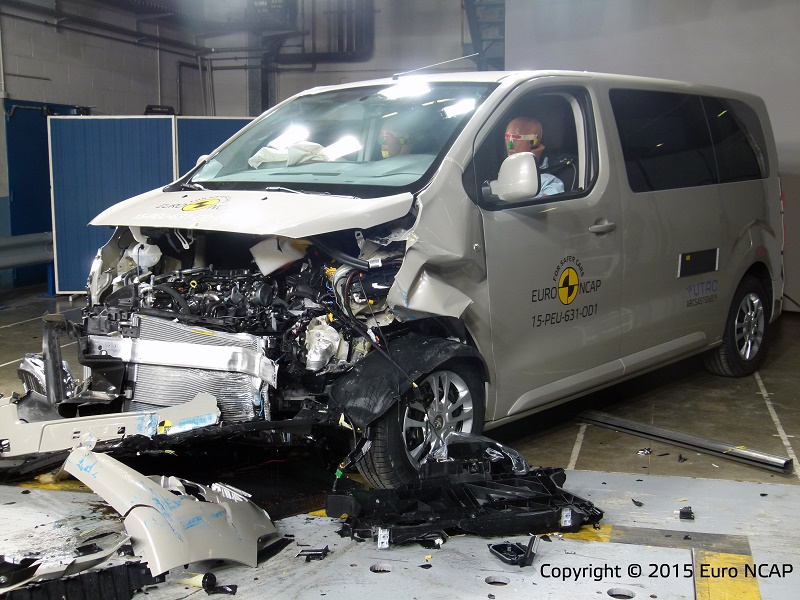
McCarron Coates highlights importance of immediate legal support following serious road incidents
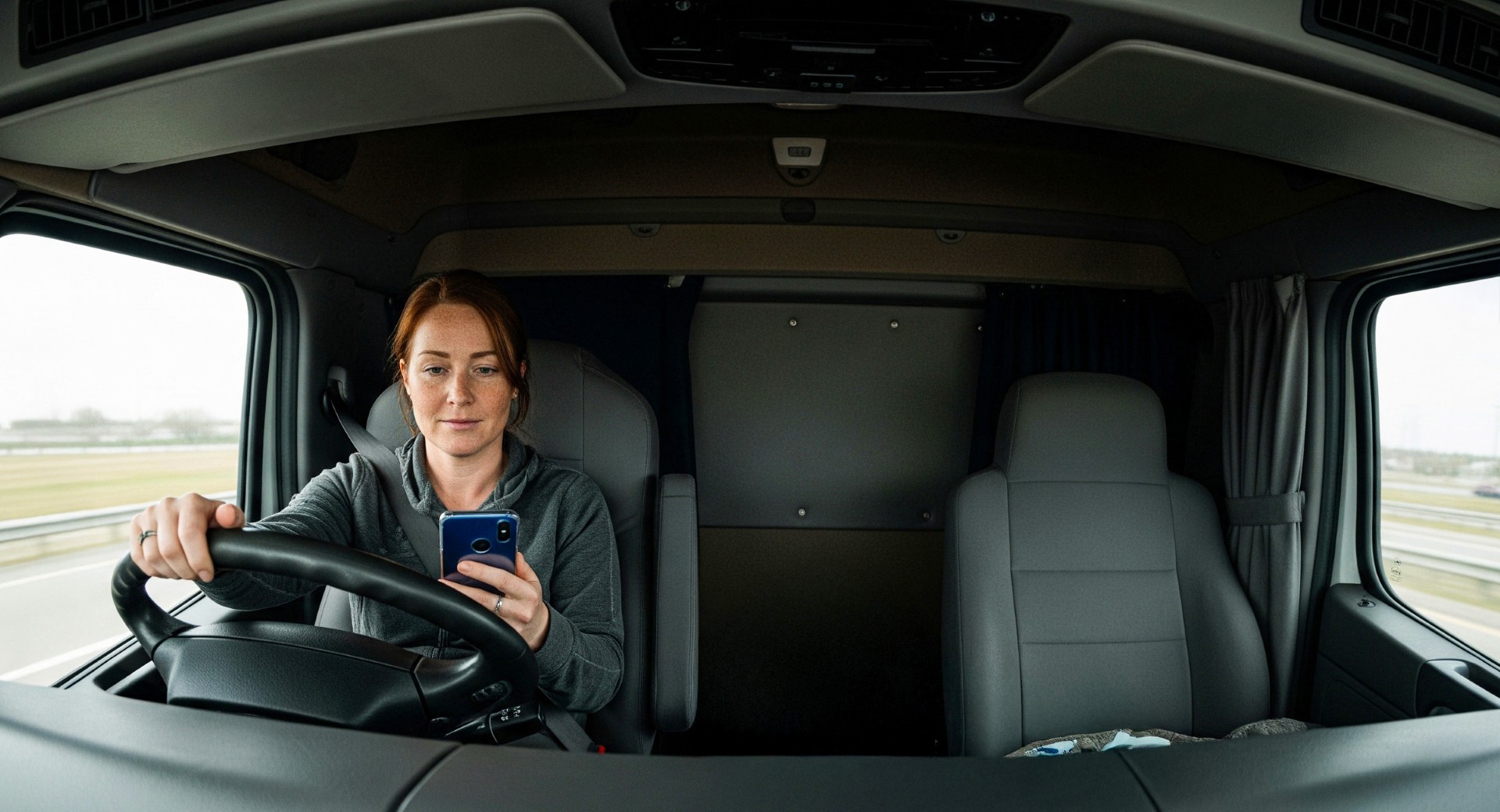
In-car technology and driver distraction cause one in three crashes – Allianz

Targa Telematics provides OEM data and AI insights to Jurni Leasing
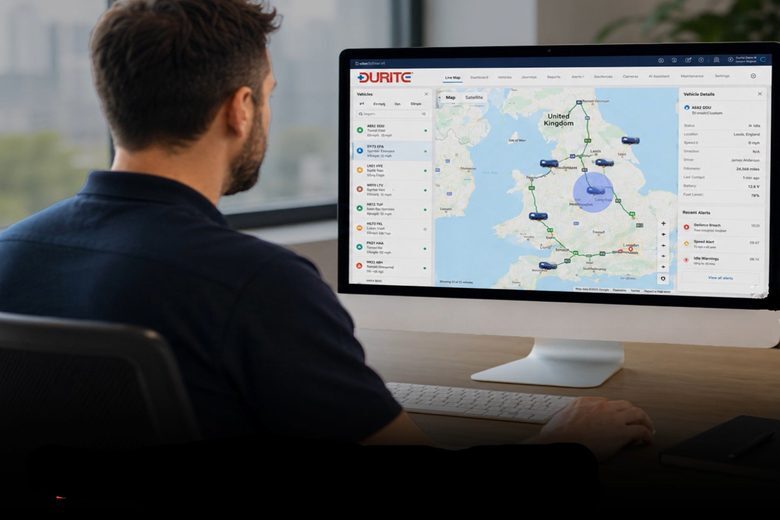
Durite launches AI fleet safety platform to identify driver risks in real time

M25 central to van fleet operations, Geotab finds

Allstar launches AI-powered fleet intelligence tool

Targa Telematics appoints head of business development insurance

Tyre pressure risk rises as temperatures fall – Mobile Tyre Buddy

Coastr and Volteras to offer OEM telematics to leasing and rental firms

LLMs could ease data burden on fleet managers – FleetCheck