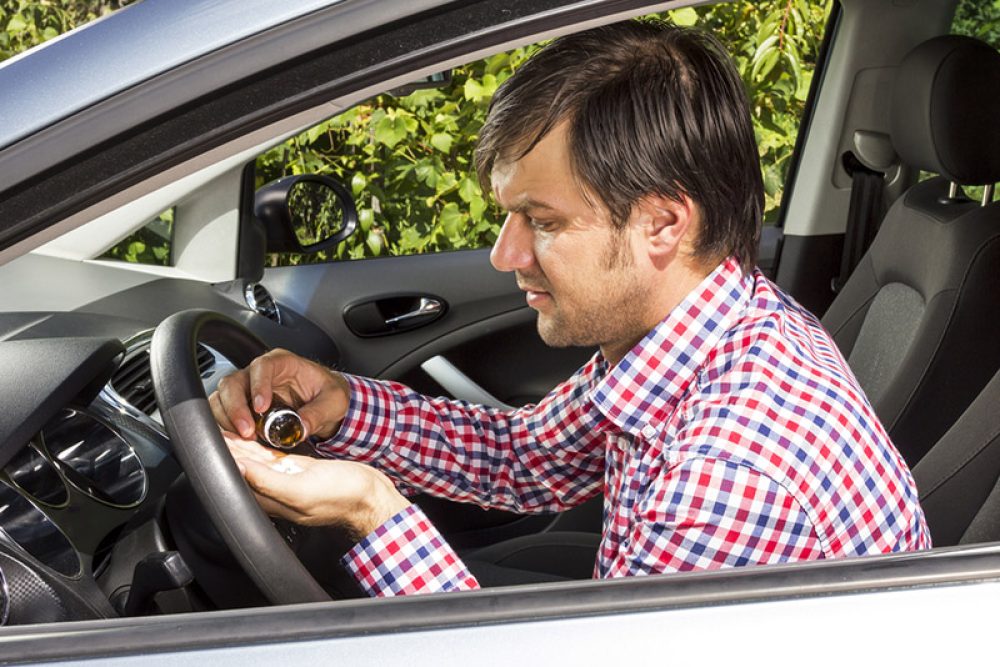

SMALL business fleet operators are being warned that employees on strong medication could be in breach of new drug laws.
People who have been prescribed powerful anxiety or pain relief drugs are at risk of being convicted for driving while under the influence of illegal drugs, reports BBC News.
And new legislation will include some prescription medicines obtained legally from family doctors and pharmacists.
While prescribed doses do not exceed the limits for legal drugs while driving, patients who exceed prescribed doses will be open to prosecution.
The new law, to be introduced 2 March, aims to catch those who put the lives of others at risk while driving under the influence of drugs.
Prescription drugs covered by the new law
- Clonazepam is prescribed to treat seizures or panic disorders;
- Diazepam is used for anxiety disorders, alcohol withdrawal symptoms or muscle spasms;
- Flunitrazepam (also known as Rohypnol) is a sedative originally used in hospitals for deep sedation in the 1970s;
- Lorazepam is used to treat convulsions or seizures caused by epilepsy;
- Oxazepam is used to relieve anxiety, including anxiety caused by alcohol withdrawal;
- Temazepam affects chemicals in the brain that may become unbalanced and cause insomnia problems;
- Methadone is used in the treatment of heroin addiction;
- Morphine or opiates treat moderate to severe pain.
It sets very low levels for eight well known illegal drugs, including cannabis and cocaine, but also includes eight prescription drugs.
Most of them, including Temazepan and Diazepam, are used for treating conditions such as anxiety.
But the list also includes methadone, a heroin substitute, and morphine, a powerful opiate used for pain relief.
Robert Goodwill MP, Road Safety Minister, says as long as they stay within prescribed levels, most people will still be able to get behind the wheel of a car.
“If you are taking your medicine as directed and your driving is not impaired, then you are not breaking the law and there is no need to worry,” he said.
“We advise anyone who is unsure about the effects of their medication or how the new legislation may affect them, to seek the advice of their doctor or pharmacist.
“There will also be a medical defence if a driver has been taking medication as directed and is found to be over the limit but not impaired.
“Drivers who are taking prescribed medication at high doses [are advised] to carry evidence with them, such as prescriptions slips, when driving in order to minimise any inconvenience should they be asked to take a test by the police.”
Ed Morrow, campaigns officer for road safety charity Brake said the organisation strongly welcomed the new drug-diving law.
“This much-needed progressive move by government will make it much easier for police to deal with illegal drug-drivers,” he said.
“We are confident that the necessary measures are in place to ensure drivers who take prescription medication are not unfairly penalised.
“However, many prescription medications can have a negative effect on your ability to drive safely, and there is a worrying lack of awareness of this among the public.”