
More than 32,000 drivers lost their licences due to not meeting eyesight standard – Marshall
A further 4,177 bus and lorry drivers holding Group 2 licences also had their entitlement revoked or refused over the same period for the same reason.

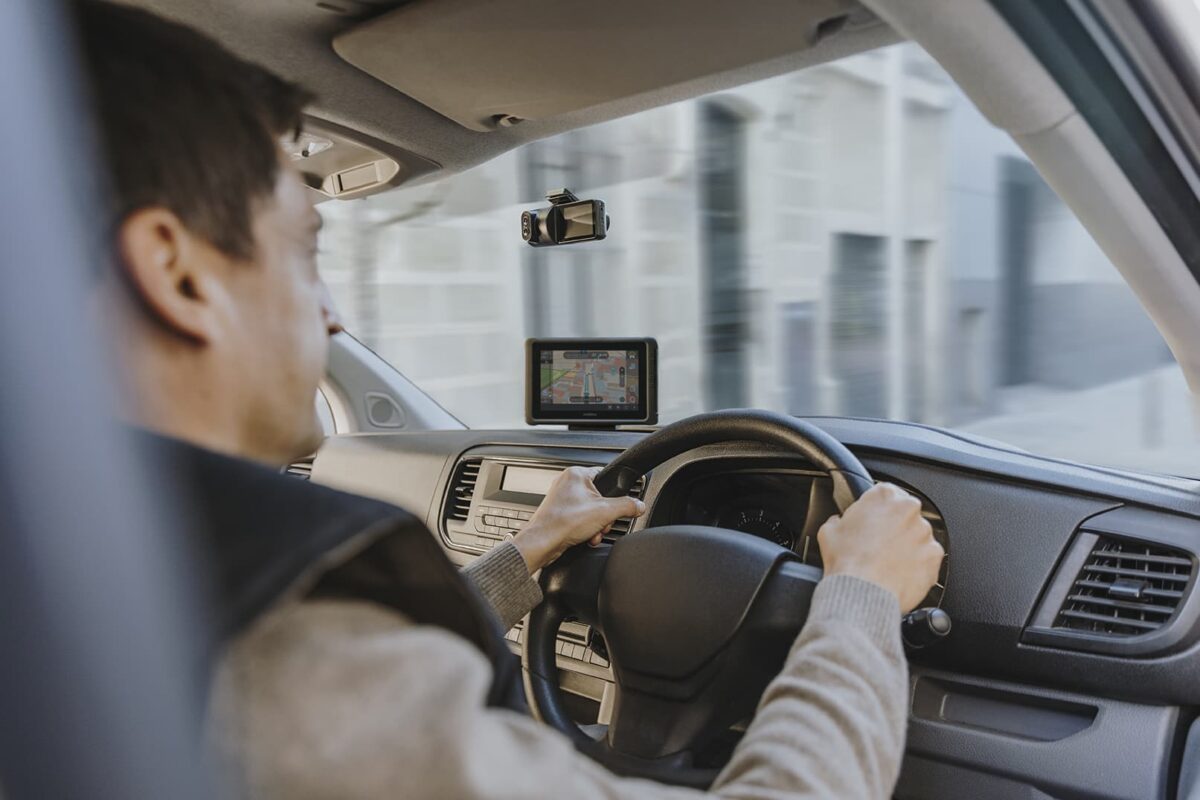
Between 2022 and 2025, 32,944 drivers lost or were refused licences after failing to meet the required eyesight standard, according to Freedom of Information data obtained by Marshall Motor Group.
A further 4,177 bus and lorry drivers holding Group 2 licences also had their entitlement revoked or refused over the same period for the same reason.
The figures showed that eyesight-related licence loss spans all adult age groups, which Marshall said underlines that maintaining good vision is relevant for drivers at every stage of life.
Eyesight-related licence loss has remained high over the past four years, with the peak of 9,479 coming in 2022.
The figures come as the Government announces plans to reform driving laws, including proposals to introduce regular vision checks for drivers aged 70 and over.
The highest numbers are seen in older age groups, with 10,794 and 8,060 licences lost among 70 to 79 and 80 to 89, respectively.
However, more than 6,500 drivers under the age of 55 also lost their licences during this period because of vision issues.
Roadside eyesight test failures have increased by almost 180% during the four years of the study, rising from 256 in 2022 to 715 in 2025.
Related

Smartwatches and workplace notifications pose driver distraction risk, warns Fleet Operations

Four in five drivers would consider professional refreshers – AA Insurance

Bosch Road Services opens Electroway secure truck parking site in Leicestershire

Drivers more worried about sun glare than slippery roads, warns Startline
Drivers call for higher drug-driving penalties, finds Startline

“Circularity is increasingly becoming a commercial issue” – ABM Q4 covers reviews, battery recycling, business travel, more

New Roads launches to offer reliable route planning

Yorkshire Water renews Brake partnership

Fleet Assist appoints customer success director

Geotab Investigations launches to support unified fleets

Loomis selects VisionTrack to support safety and risk reduction across UK fleet