Pay-per-mile risks halting EV adoption, warns EVA England
Across the most recent Transport Select Committee session, witnesses said that while supply is increasing, demand is not keeping pace.


Government plans for a pay-per-mile charge risk holding back the next wave of EV adoption, according to a driver survey published by EVA England.
Across the most recent Transport Select Committee session, witnesses said that while supply is increasing, demand is not keeping pace.
EVA England warned that without changes, policies like eVED risk reinforcing existing barriers rather than helping more drivers make the switch.
Giving evidence to the Transport Select Committee, Vicky Edmonds, chief executive at EVA England, urged MPs to focus on the real-world barriers holding back wider adoption.
She said: “From a driver’s perspective, we are creating a two-tier transition.
“We’ve got around 25% of new car sales electric, but only 5.5% of the overall car parc.
“Those getting into EVs love them. But they are disproportionately higher income and more likely to have driveways.
“Unless we make this work for a wider range of households, the transition will not reach the mass market.”
Related

Euro 7 could force fleets to choose between compliance and EV transition, warns Dawsongroup

EV drivers say electric debate does not reflect their experience – EVA England
AION unveils UT Cross and GS7 models
Škoda Epiq adds SportLine model to range
BYD launches ATTO 8 at Paris Motor Show
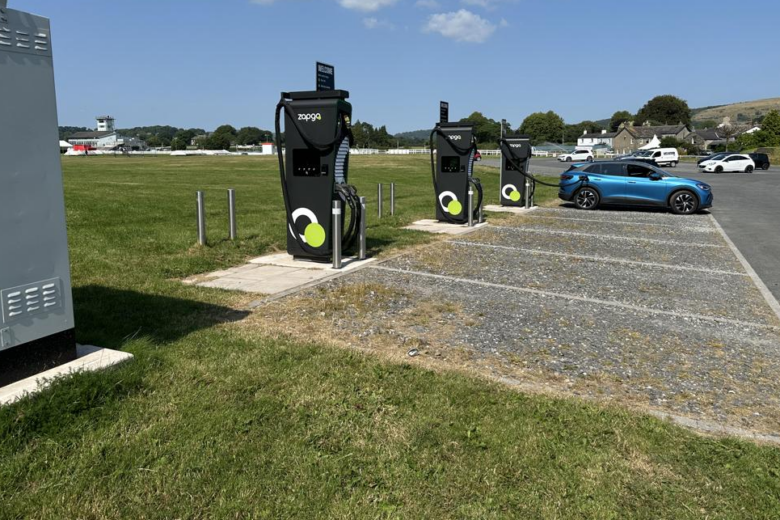
Zapgo opens charging site at Cartmel Racecourse
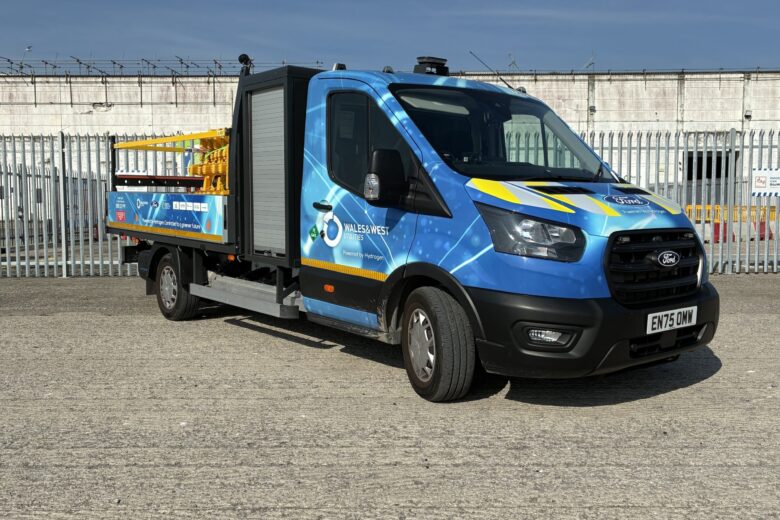
Ford and WWU partner to reduce carbon emissions
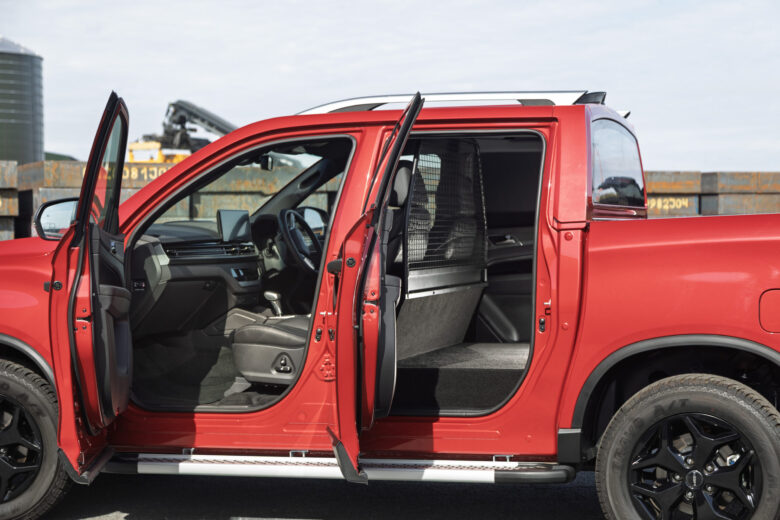
KGM Motors launches Musso commercial range

Millions of drivers risk unsafe tyres during winter, Compare the Market warns
“Circularity is increasingly becoming a commercial issue” – ABM Q4 covers reviews, battery recycling, business travel, more

Trump urges EU to tap into diesel reserves as export ban grows more likely