
Pharma has mastered temperature protection, what about theft?
Every day, valuable pharmaceutical products are transported across the country with a single driver responsible for both the vehicle and its load.


Picture a high street bank and a vehicle carrying pharmaceuticals. One might hold a significant amount of cash. The other could be carrying medicines worth hundreds of thousands, and in some cases millions of pounds.
Most people would assume the bank has the greater security challenge. It has CCTV, alarm systems, controlled access and established procedures designed to deter criminal activity.
Yet every day, valuable pharmaceutical products are transported across the country, in vehicles operating in a wide variety of environments, often with a single driver responsible for both the vehicle and its load.
The pharmaceutical distribution sector deserves considerable credit for the progress it has made in protecting medicines during transport. Temperature-controlled distribution has evolved significantly over recent decades, with rigorous validation, monitoring and auditing helping ensure product quality and patient safety throughout the cold chain.
However, as the industry continues to adapt to new risks and changing market conditions, it is worth considering whether physical security is receiving the same level of attention during the vehicle specification process.
Recent discussions across the healthcare logistics sector have highlighted growing concerns around vehicle theft and the targeting of high-value pharmaceutical products by organised criminal groups.
One factor contributing to this challenge is the increasing demand for certain medicines, including GLP-1 therapies. These products can represent significant value, are relatively easy to transport and may present an attractive target for criminal activity if security vulnerabilities exist.
Many pharmaceutical distributors already operate robust security procedures and invest significantly in protecting vehicles, products and drivers. However, as both product values and criminal methods evolve, security requirements are becoming an increasingly important consideration when reviewing vehicle specifications and operational procedures.
Related
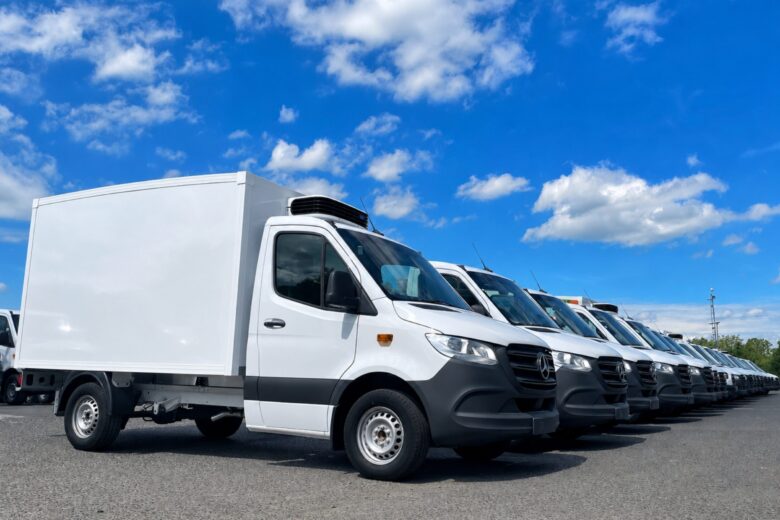
CoolKit launches BoxClever to shorten lead times
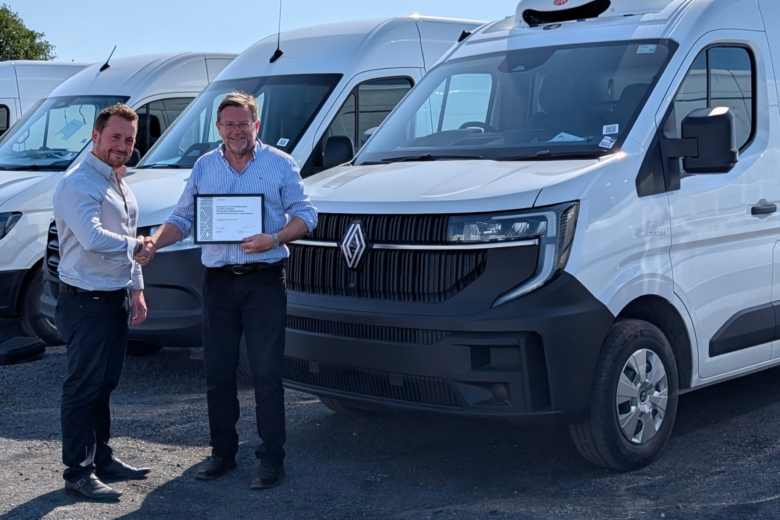
CoolKit achieves Renault Pro+ Certified Converter status

Winter van readiness: What to check before the cold weather starts
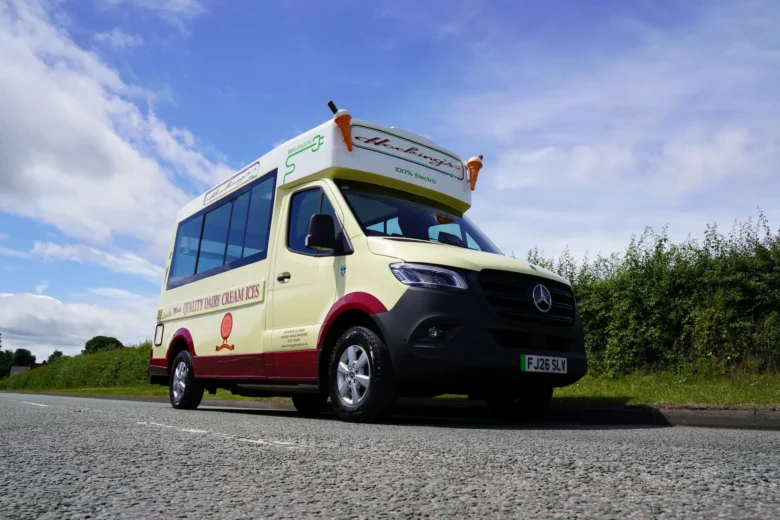
Whitby Morrison launches first electric ice cream van

“Measured approach” needed in response to Chinese car security concerns – AFP

Van Guard launches new security bezel for Ford Transit Custom

Mercedes-Benz adds TVL Security’s Protect+ to van range via new VanPartner agreement

Fleet managers urged to use steering wheel locks as high-tech vehicle thefts hit record levels
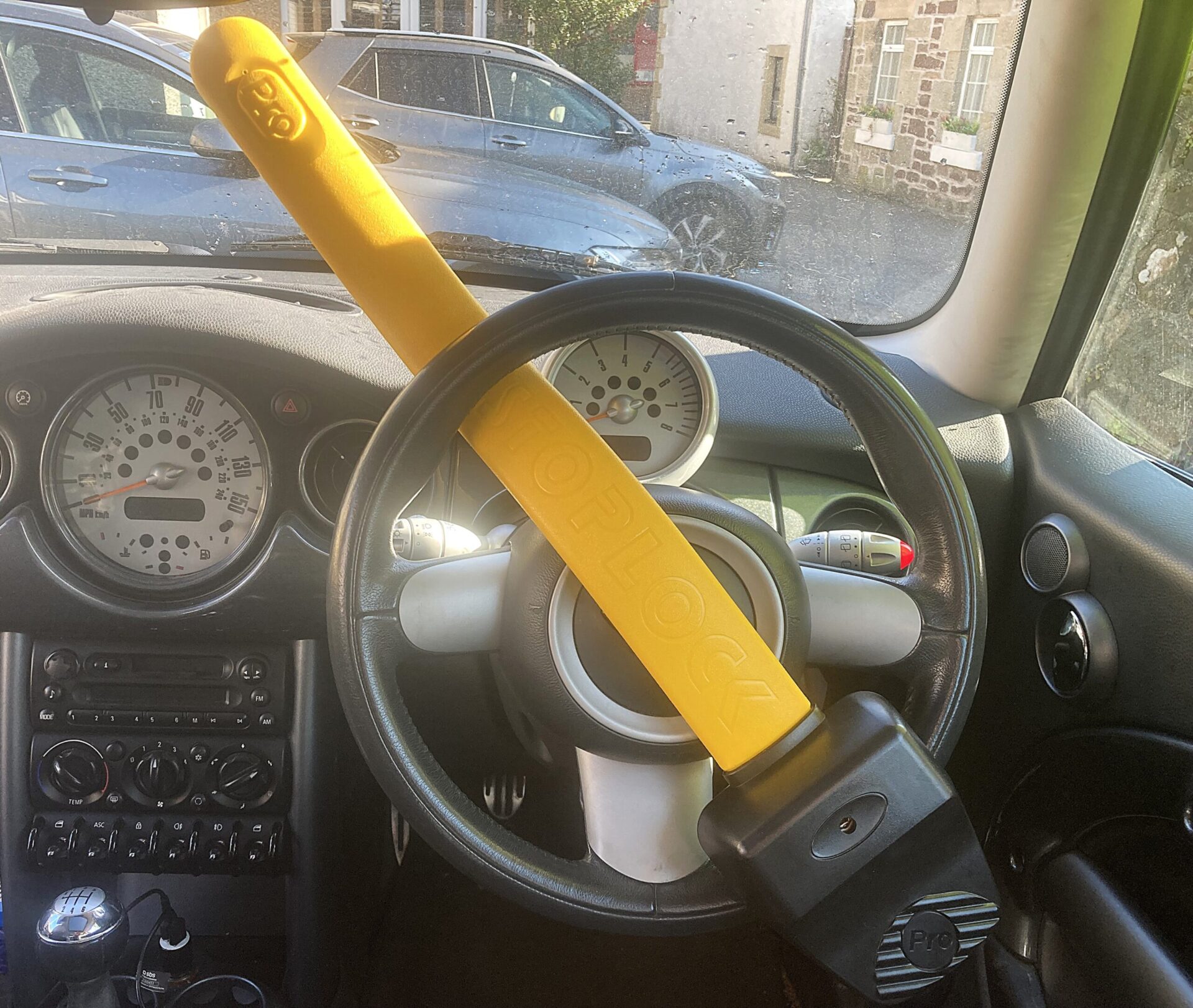
Van operators advised to use physical security devices as vehicle thefts reach record levels

Building a smarter floorcare strategy for fleet operations

Roadside reality check: Fleet management is failing at the wheel