
Range concerns remain top barrier for electric van adoption, says Dawsongroup
More than 4 in 10 fleet managers cite range as the main concern when selecting electric vans, according to Dawsongroup research.

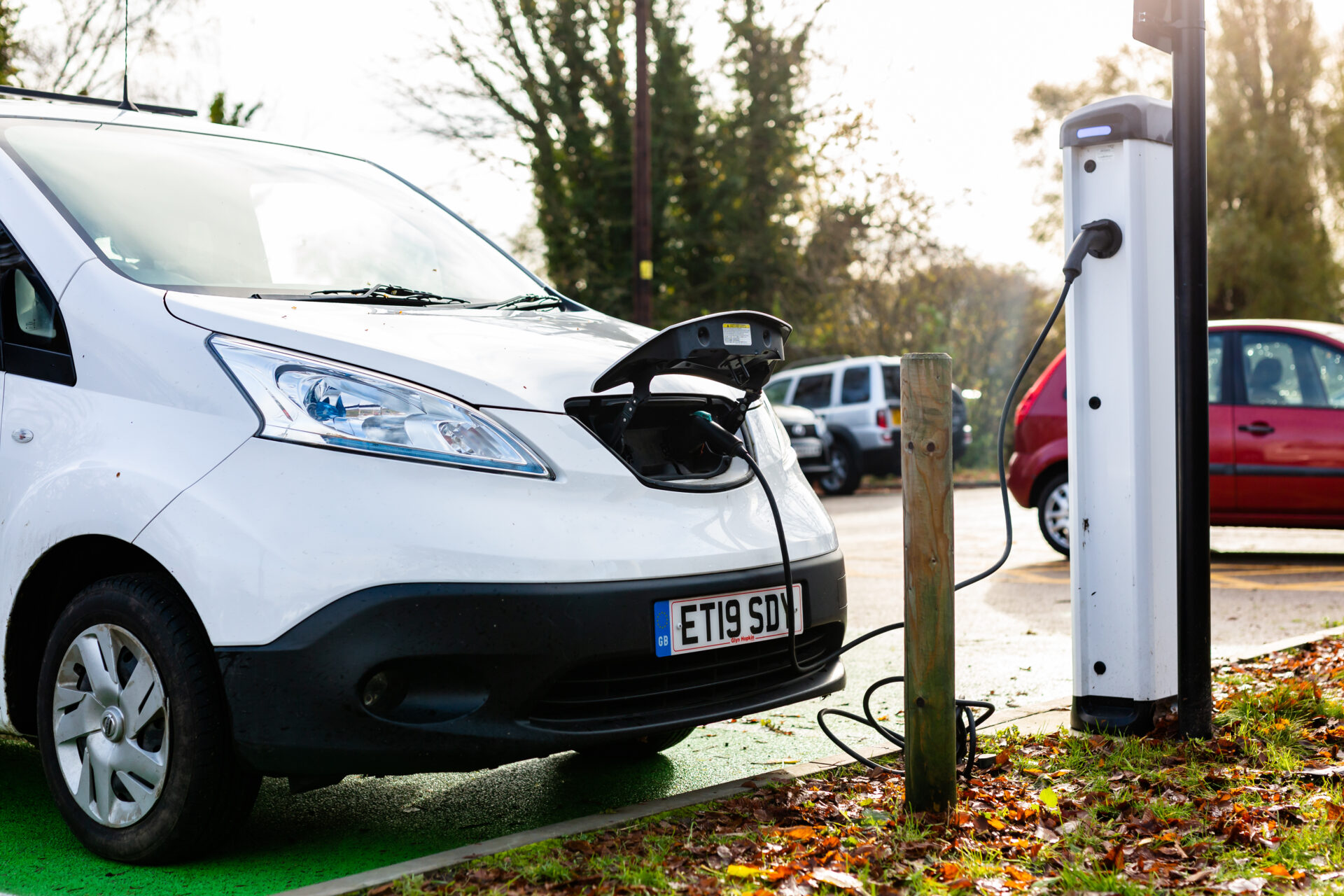
Dawsongroup has found that 42% of UK fleet managers identify driving range as their primary concern when selecting an electric van.
The figure rises further among smaller fleets, where there is less operational flexibility to manage disruption, according to the company’s EV readiness survey.
Simon Ridley, managing director at Dawsongroup vans, said: “The assumption is often that range will be a problem. But when fleet managers spend time digging into their daily mileage figures, they find that most routes fall well within what current electric vans can comfortably cover.”
Government data shows the average UK van travels less than 50 miles per day, placing typical usage well within the capability of many modern electric vans, although real-world factors can significantly affect performance.
Dawsongroup said variables such as payload, route type and weather conditions can all influence range, with motorway driving and heavy loads reducing efficiency compared to urban stop-start journeys where regenerative braking can recover energy.
Ridley added: “Not every van on a fleet is doing the same job. Matching the right vehicle to the right route, rather than treating the fleet as interchangeable, makes a real difference to both range and running costs.”
Driving behaviour also plays a role, with aggressive acceleration and sustained high speeds reducing efficiency, while driver training can improve both range and operational outcomes.
Ridley said: “Businesses that invest in practical driver training before putting electric vans into service tend to see better outcomes, both in terms of range and in driver confidence and satisfaction.”
Related
More van drivers considering electric due to rising fuel prices, finds Volkswagen Commercial Vehicle
Fastned calls on Govt to level VAT playing field as public charging found to cost £270 more per year
RAW opens Huntington charging hub

Be.EV introduces EV charging pass, fixed monthly charging fee
Tesco reaches 2000th EV in delivery fleet, supported by MAXUS
Renault Trucks reveals E-Tech Trafic at IAA
TUAL names Tharsus as manufacturing partner
EV drivers say electric debate does not reflect their experience – EVA England
“Circularity is increasingly becoming a commercial issue” – ABM Q4 covers reviews, battery recycling, business travel, more
Steadplan electrifies delivery fleet with MAXUS eDELIVER 7
Diesel reaches £2 per litre in 559 constituencies – New AutoMotive