
Road safety cannot wait for regulation to catch up
Technology already exists that can reduce that risk. For fleets, the question is how this technology is being adopted, and how quickly.


The UK’s new Road Safety Strategy puts technology and data front and centre. That matters for fleets, because this is where the gap between policy ambition and real-world outcomes is widest.
The Government is right to focus on advanced safety systems, connected vehicles and better use of collision data. Human error plays a role in 95% of collisions. Technology already exists that can reduce that risk. For fleets, the question is how this technology is being adopted, and how quickly.
Fitting safety tech is not the same as using it
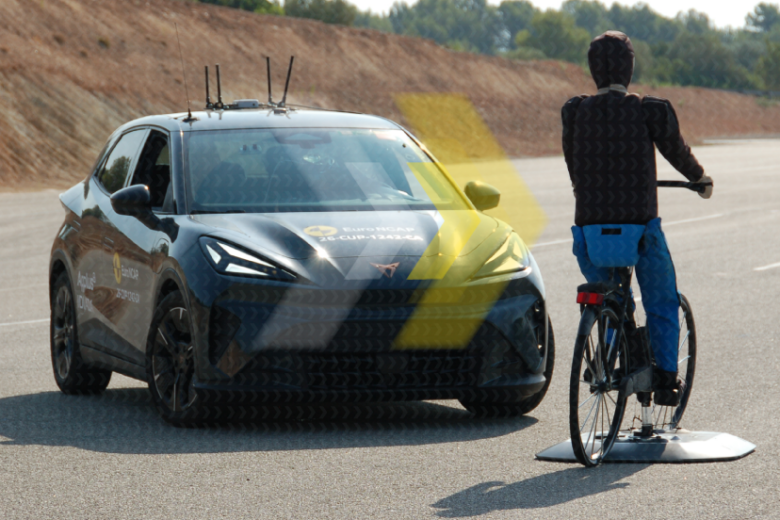
Mandating new safety features is a solid step. Automatic emergency braking, intelligent speed assistance and driver monitoring systems can reduce both the frequency and severity of collisions. The UK’s decision to align with the EU’s General Safety Regulation 2 (GSR2), requiring a new baseline of in-vehicle safety technologies, reflects that direction of travel. But fleets know that technology left unused, misunderstood or overridden delivers limited value.
There’s some work to do by OEMs and fleets as Advanced Driver Assist Systems (ADAS) only have value when drivers trust it, understand it and use it as intended. In practice, that trust is uneven. We see a wide variation in how drivers interact with the same systems, even within identical vehicles. Some rely on them correctly. Others disable alerts, misread interventions, or compensate in ways that increase risk.
This is where visibility matters. Video and sensor data, including dash cams, give fleets and drivers a shared view of what actually happened. When used properly, they take subjectivity out of safety conversations. Drivers can see why a system intervened, or why it did not. Managers can focus on facts rather than blame.
As a result, safety performance now depends as much on data and training as hardware. Telematics shows how ADAS behaves in real conditions, where it intervenes, and where gaps remain. Combined with contextual video, that insight builds driver trust, supports targeted coaching, and helps fleets close the gap between how safety systems are designed and how they are really used on the road.
Near misses matter more than collisions
Related
DUNLOP and FALKEN join TyreSafe to boost road safety

Loomis selects VisionTrack to support safety and risk reduction across UK fleet

Millions of drivers risk unsafe tyres during winter, Compare the Market warns
Volvo launches Safety Coach app in partnership with CMT

Geotab Investigations launches to support unified fleets
Fleets warned over gaps in 24/7 legal support

Right from wrong: Mythbusting with Driving for Better Business

Durite launches Live AI fleet management platform at Road Transport Expo
Defective tyre casualties rise 19% as road safety progress stalls

Brake Road Safety Week confirmed for 15th November
AION, GEELY, Leapmotor achieve max rating under Euro NCAP regulations