- P11D Value / BIK: £21,315 / 24%
- 5-door SUV
- 148bhp / 250Nm 1.5 litre, 4cyl petrol/six-speed manualstyle within the segment
- Economy (comb) / CO2: 55.4mpg / 115g/km
- 0-62mph/top speed: 8.3 / 127mph
What is it?
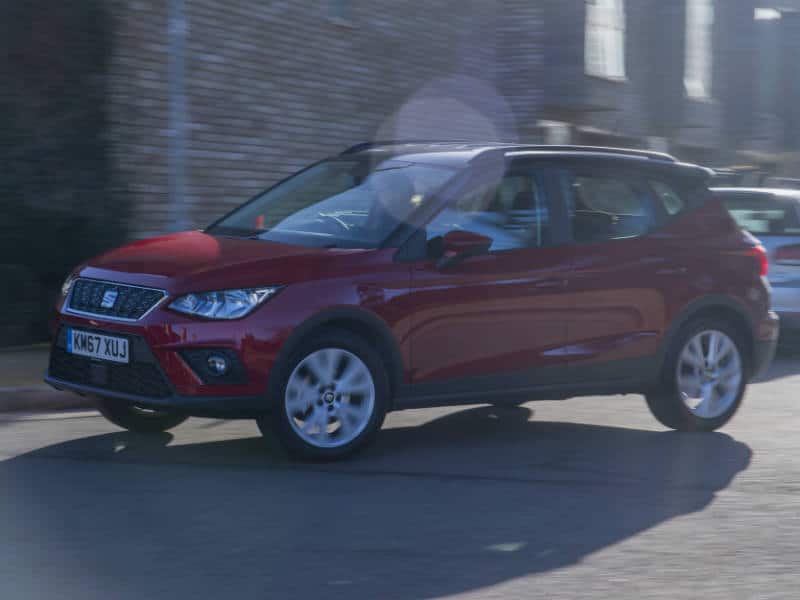
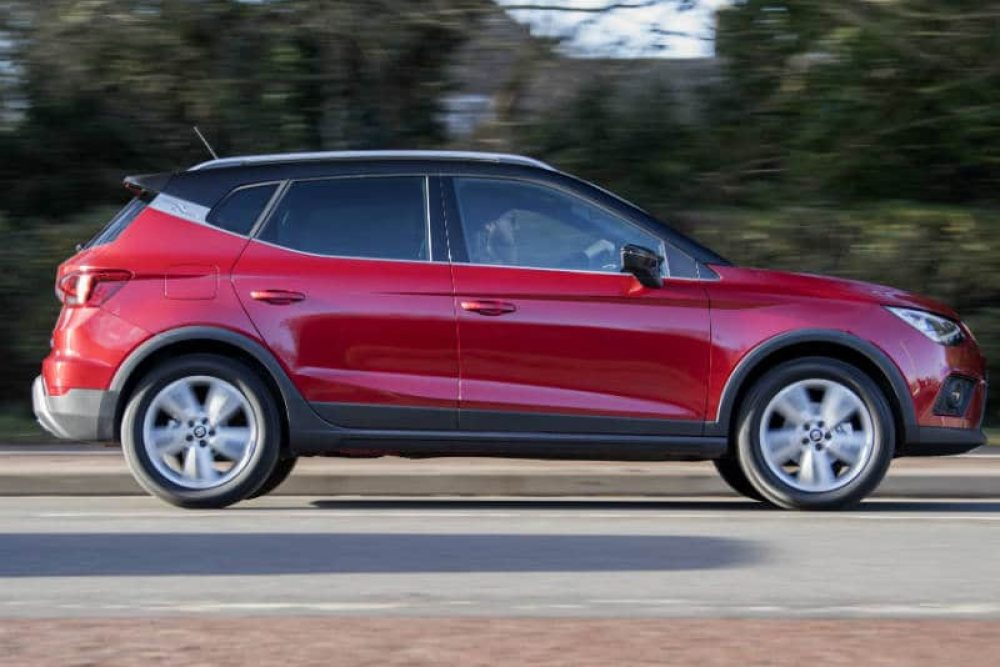
ANOTHER day, another small SUV. This time it’s the Spanish firm SEAT. And its new Arona.
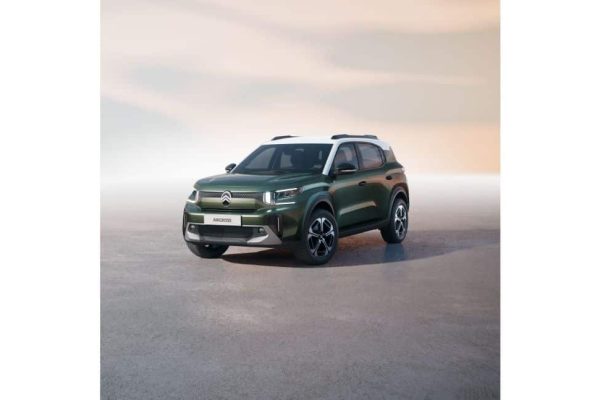
SEAT has launched a competitor into the burgeoning city-SUV market that was dominated by the Nissan Juke for so long. Now there’s the likes of the Citroen C3 Aircross, Mazda CX-3, Kia Stonic and Vauxhall Crossland X, to name just a few.
To stand out in this growing market takes something special. And SEAT has managed to imbibe the Arona with unique sharp styling that cuts through the sometimes bland approach of its rivals.
The SEAT Arona avoids the de rigueur squared off wheel arches and faux metal skid plates (although can’t avoid black plastic wheel arch extensions) and relies on paint jobs available with three roof colours to create 68 possible colour combinations.
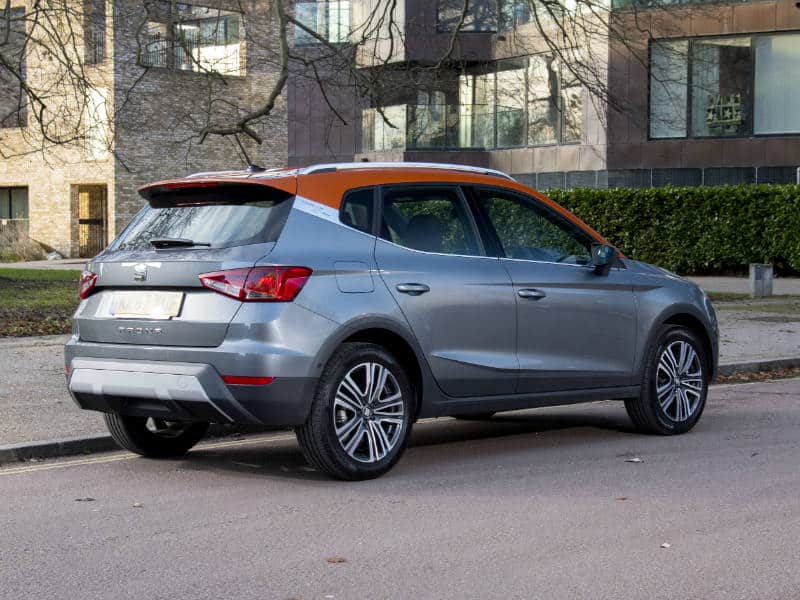
The result is a smart, grown up looking vehicle. It offers the same in terms of space and practicality as any small hatchback, such as the Volkswagen Polo. That it shares Volkswagen’s MQB-A0 platform ensures there’ll be nothing untoward in terms of handling or comfort, but limits it to a front-wheel drive only option – those SUV looks won’t translate into something that can actually perform off-road.
Instead, as with so many of these models, it’s a case of style over function. As the market moves towards these beefier cars with their higher seating position and more commanding view of the road, more pseudo-SUVs will join the party.
SEAT has worked hard to ensure the Arona stands apart, though.
Why would you want to drive a SEAT Arona?
- Sharing so much with the likes of the volkswagen Polo and SEAT Ibiza, the Arona is a surprisingly sharp and agile vehicle to drive. The suspension keeps body roll in check, while the steering is precise, if lacking in feel.
- That’s not at the expense of ride quality though, which is exemplary. SEAT has judged the springs and dampers to perfection, with the Arona gliding over our B-road undulations with aplomb, and managing to suppress all but the worst of the sharp edges to potholes, surface cracks and tarmac changes.
- It’s not entirely engaging to drive though, despite its competence. However, as it isolates those inside the car so well from the road, it’s an effortless environment to cover long distances in – something not usually associated with smaller cars.
- The new 1.5-litre petrol engine fitted to this review car buzzes along brilliantly, with enough power to be considered entertaining. It’s fine for everyday use too, and has enough torque to make tackling a town a piece of cake.
- With 150bhp available, it’s arguable that the 1.5-litre petrol is actually more than enough engine for the Arona, especially given the small size and light weight of the car. The 1.0-litre turbo engine seems a more sensible alternative, saving car buyers around £1,400 and reducing leasing costs by as much as £30 a month.
- The business motoring focused SE Technology spec model balances running costs with driver appeal, bringing with it most of the equipment carried on this FR model, but without any of the superfluous sporting design flourishes. A 1.6-litre TDI engine promises economy of 70.6mpg. CO2 emissions are 105g/km, giving a company car tax banding of 26%. In terms of tax per month there’s nothing in it, though.
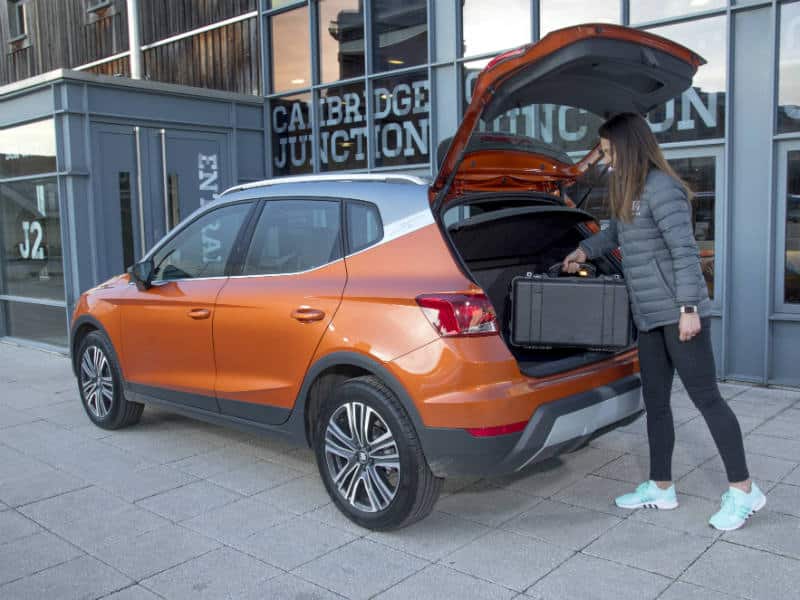
- Leasing costs are extremely competitive, thanks to strong residuals. Business lease deals south of £200 a month are common. Plenty of space in the Arona’s boot for luggage
- Despite its diminutive dimensions, interior space is excellent. There’s enough room for four tall adults to take a seat without feeling claustrophobic, and there’s a decent sized boot behind.
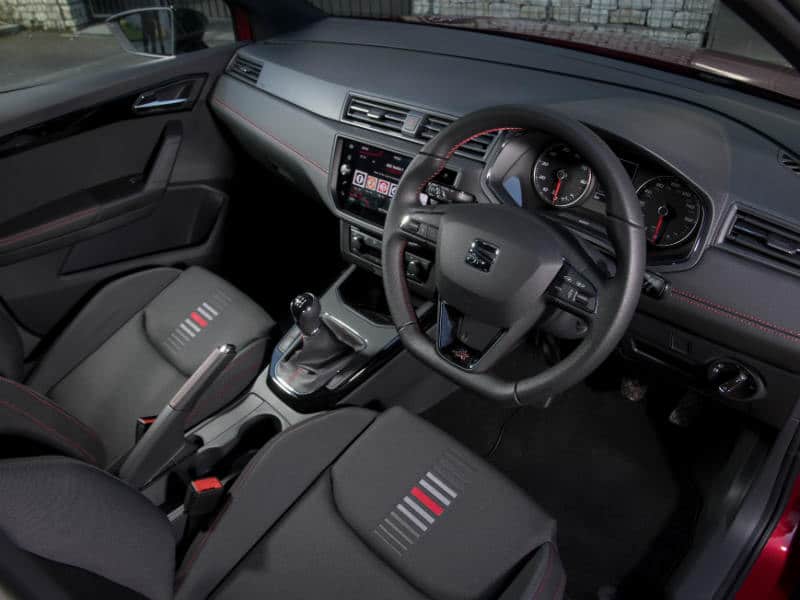
- The interior looks to have been lifted entirely from the Ibiza, and that’s good news. It’s easy to operate, works well and feels well built, although it’s a tad uninspiring in design.
What might you put off a SEAT Arona?
- Very little would sway you away from the Arona, beyond the countless other options available. However, it’s not quite perfect. No small SUV is likely to be considered against a hot hatch but, while the Arona does go, turn and stop in good order, it’s not remotely engaging, feeling like you’re giving it a set of instructions to follow rather than being involved in making swift progress.
- The brakes are strong, but there’s a lot of assistance which means initially it can be grabby, jerking passengers heads forwards as you adjust pedal pressure to try and keep things smooth. It doesn’t affect confidence under braking at all, but does take some getting used to.
- The 1.5-litre engine promises excellent economy of 55.4mpg, but there’s a wider than usual gap between lab figures and real world results, where 40mpg was more realistic on a variety of mixed roads around the very flat East of England. When pushed hard, the engine gets quite raucous, too.
- There’s no automatic option on the 1.5-litre petrol, with drivers stuck with a six-speed manual. Only the 1.0-litre turbocharged engine has the seven-speed DSG automatic option, leaving this, the non-turbo 1.0-litre, and 1.6-litre diesel engines all as stick shift only.
- SEAT’s ‘bargain Volkswagen’ days have seemingly gone, with the Arona starting from £17K – that’s more than a £3,000 premium over the likes of a Citroen C3 Aircross. Splash out, and it’s possible to spend over £25,000 on an Arona. You’d need to be a real fan of small SUVs at that point, as that’s enough to get you into a huge seven-seater Skoda Kodiaq.
Verdict on the SEAT Arona
The SEAT Arona ticks every box that the small SUV needs to tick. It’s got the elevated driving position, it’s suitably practical and there’s sharp styling that suits the form-over-function sector of the market.
From getting those basics right, the Arona then stands clear of its rivals by doing all just a little better. The ride quality stands out for being exceptionally good, and not just by small SUV standards. It’s good compared to ‘proper’ cars, sometimes many sizes bigger.
That it’s not particularly rewarding to drive surprises nobody, but there’s enough grip and feedback to be able to hustle the thing around if you really want to. Only if you fancy some off-road excursions does it fall down, but who would really buy one of these for green laning?
Borrowing the Volkswagen Group’s basic interior architecture means it’s loaded with equipment, all of which is easy to use and placed with some thought. That interior is also spacious, practical, and comfortable, with good visibility and oft forgotten things like wide opening doors. SEAT has even ticked the personalisation box, lending the Arona a unique style within the segment.
The financials stack up too, thanks to low leasing costs and ultra-competitive CO2 figures leading to lower company car tax. Fundamentally the same tax bill will also allow you to choose between the petrol-powered FR model with it’s more sporting bent, or the sensible, well equipped, stylish and frugal diesel-powered SE Technology spec.
It’s tough to stand out against myriad rivals, but the Arona does, and for all the right reasons.
What else should you know about the SEAT Arona?
- Underneath the car lies a version of the Volkswagen Group’s MQB platform that is used across cars as diverse as the Audi TT, SEAT Ateca, Skoda Kodiaq and Volkswagen Arteon.
- The Arona is built on the same production line as the Ibiza, both constructed on Line 1 of the Martorell factory outside Barcelona.
- As with all SEAT models (apart from the Mii) the Arona is named after a town iSpain. This time it’s a small village in Tenerife at the foot of Mount Teide.
- The high list price can be explained in part by the high levels of equipment fitted to the Arona. Every model gets fog lights with cornering function, LED rear lights, DAB radio, Bluetooth connectivity, touchscreen infotainment, leather trim on the steering wheel and gear lever, air conditioning, cruise control, automatic headlights, and much more.

The Arona handles tidily, with little corner roll - Step up one grade from SE to SE Technology and the infotainment system grows from five inches to eight inches, and includes satellite navigation, smartphone mirroring for Android and Apple phones, a wireless charging pad and twin USB ports.
- There are nine body colours available, alongside three roof colours and five wheel designs. Every model gets the option of a contrasting roof.
- All petrol models promise to return roughly the same economy, all of them being in the mid 50mpg range. The 1.6-litre diesel improves that to around 70mpg, at least according to the official figures.
- All SEATs come with a three-year or 60,000 mile warranty. However, the first two years have no mileage limits, so high mile drivers might see their warranty expire at the end of year two. The warranty can be extended to five years or 90,000 miles.
- EuroNCAP awarded the Arona a five-star safety rating, with adult crash protection being particularly strong. Every model comes fitted with autonomous emergency braking and driver fatigue recognition.