Performance is perfectly adequate for the class, with a 0 to 62mph time of around 8.4 seconds and a top speed just over 110mph but outright speed is not really the point here. The hybrid system’s focus is efficiency.
Officially the Omoda 7 can travel up to 56 miles on electric power alone which is a strong figure for a plug in hybrid SUV and comfortably enough to cover many daily commuting journeys without using a drop of petrol.
When the petrol engine is factored in the total driving range stretches to more than 700 miles. CO2 emissions are quoted at as little as 23g per kilometre placing the car in a low Benefit in Kind band that should translate to around a nine per cent tax rate for company car drivers.
For fleet managers balancing driver appeal against tax exposure, those figures will immediately grab attention.
Pricing strengthens the business case further. The Omoda 7 starts at just under £30,000 for the petrol version while the plug in hybrid begins at around £32000 and tops out at roughly £35,000 in higher specifications.
That undercuts many established rivals while offering comparable technology and on paper at least a longer electric range than some.
On the inside
Inside the Omoda 7 continues the theme of value and modernity. The cabin is dominated by a large 15.6 inch central touchscreen that handles most infotainment functions supported by a digital driver display and a clean minimalist dashboard design.
Build quality is respectable with soft touch materials in key areas and a layout that feels intuitive after a short period of familiarisation.
Equipment levels are generous, too. Features such as wireless phone charging a heated steering wheel dual zone climate control and a Sony sound system are included across much of the range while a wide wireless charging pad can accommodate two smartphones at once which will likely appeal to business users juggling work and personal devices.
Space is another strong point. At roughly 4.66 metres long the Omoda 7 sits squarely in the middle of the family SUV class and rear passengers benefit from good legroom and a comfortable seating position.
The boot at around 639 litres is large enough for the demands of family life or business travel and the overall cabin layout prioritises practicality over flamboyance.
Out and about
On the road the Omoda 7 reveals its priorities quickly. This is not a car that encourages spirited driving – instead it focuses on comfort and ease of use.
The suspension is tuned softly enough to smooth out broken urban surfaces and the hybrid system allows the car to move silently through town in electric mode when the battery has charge.
Steering is light and the overall driving experience is relaxed rather than engaging but that character may actually suit its intended audience.
For fleet drivers spending long hours on motorways or commuting into cities comfort and refinement often matter more than outright driver involvement.
Safety and driver assistance technology are comprehensive, with adaptive cruise control, autonomous emergency braking, lane keeping assistance and blind spot monitoring all part of the package.
A 360-degree camera system and rear cross traffic alert further enhance usability in tight urban environments while traffic sign recognition and other monitoring systems contribute to the increasingly common semi-autonomous driving experience found in modern SUVs.
The verdict
Taken as a whole, the Omoda 7 makes a convincing case for itself in the fleet sector. It may not deliver the dynamic polish of some European rivals but it compensates with a strong plug in hybrid range low CO2 emissions generous equipment and pricing that undercuts much of the competition.
For company car drivers seeking a practical SUV with meaningful electric commuting capability and attractive tax implications, the Omoda 7 looks well placed to become a serious new contender in the fleet market.
Fleet and operating data
1. Total Cost of Ownership
Capital Cost
Competitive entry pricing starts at £29,915 for the petrol model and £32,000 for the plug in hybrid.
Tax Efficiency
The plug in hybrid qualifies for low Benefit in Kind rates estimated at around 8 percent for the 2025 to 2026 tax year thanks to CO2 emissions of just 23g per kilometre.
Resale Value
The car is backed by an industry standard warranty and a rapidly expanding dealer network with 91 UK locations by late 2025. However as a relatively new brand long term residual values are still being established.
2. Fuel Efficiency
Electric Range
The plug in hybrid Super Hybrid System offers up to 56 miles of pure electric driving.
Total Range
Combined petrol and electric range can reach up to 745 miles.
Weighted Consumption
Official WLTP weighted combined consumption is approximately 288.25mpg although real world charge depleted fuel economy is closer to around 47.1mpg.
3. Maintenance Cost
Standard Warranty
Every model includes a seven year or 100000 mile manufacturer warranty which is fully transferable to subsequent owners.
Battery Coverage
The high voltage battery in the plug in hybrid is covered by an extended eight year or 100000 mile warranty with capacity guaranteed to 70 percent.
Service Intervals
Maintenance is required every 10000 miles or 12 months. Fixed price service plans are available which allow fleets to lock in predictable running costs.
4. Downtime
Rapid Charging
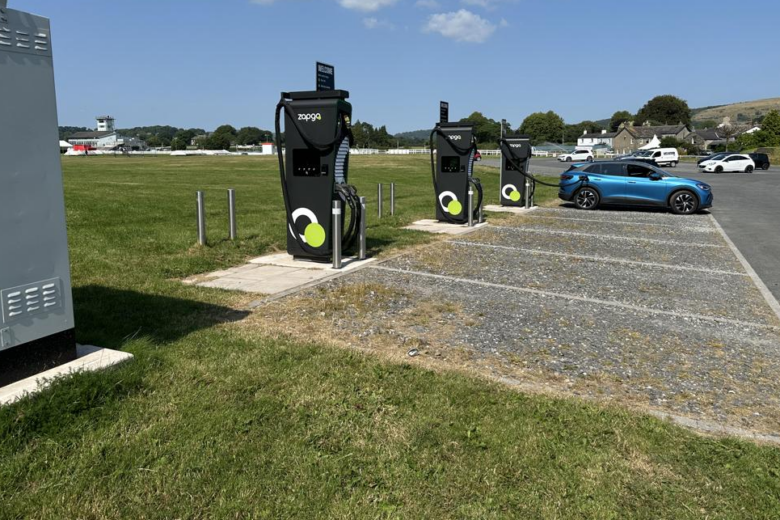
Unlike many plug in hybrids limited to slower AC charging the Omoda 7 supports DC fast charging allowing the battery to charge from 30 to 80 percent in around 20 minutes.
Breakdown Support
Seven years of RAC roadside assistance is included for the duration of the standard warranty.
Fleet Support
Contract hire packages can include an optional maintenance bundle covering routine servicing tyres and a 48 hour replacement vehicle if a roadside repair cannot be completed.
5. Safety
Safety Rating
As of early 2026 the Omoda 7 has not yet been formally assessed by Euro NCAP although the closely related Jaecoo 7 which uses the same platform holds a five star safety rating.
Standard Technology
All trims include autonomous emergency braking adaptive cruise control blind spot monitoring and a 540 degree camera system with transparent chassis view.
Insurance Group
Expected to sit around Group 32U placing it broadly in the mid range for mid size SUVs used in the fleet market.