Software-defined vehicles “major target” for cyberattacks – QNX
QNX's report, titled 'Under the Hood: SDV Developer Report, found that development is being slowed by foundational software integration work.

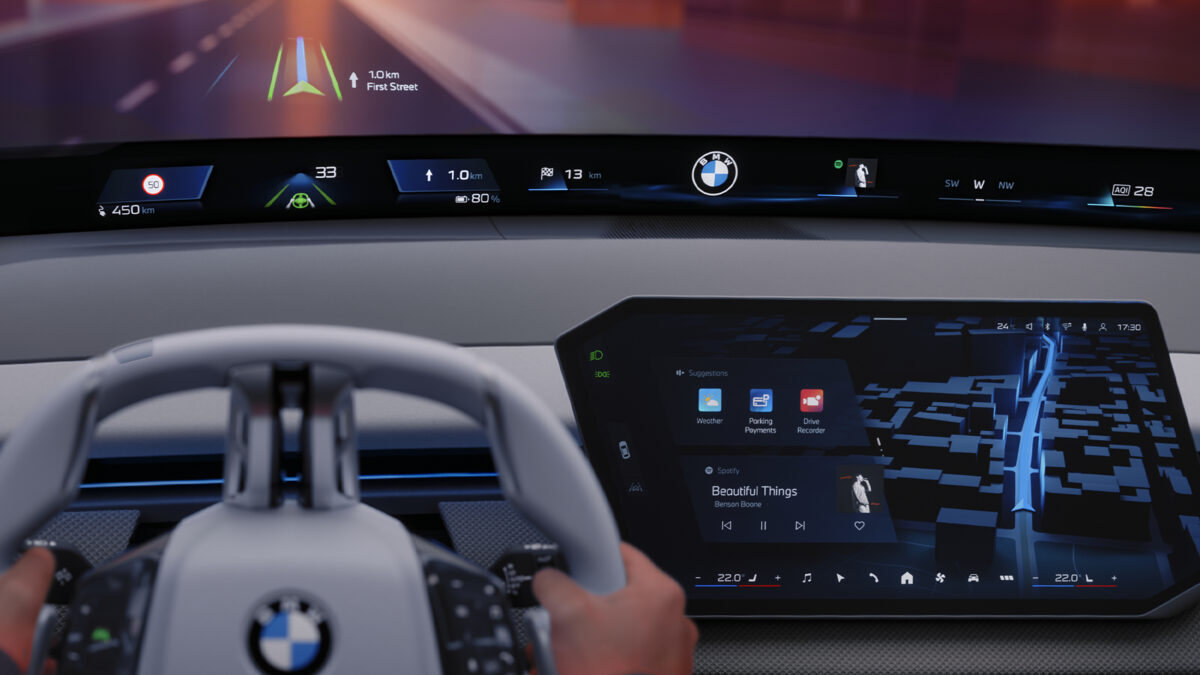
A study conducted by QNX has found that 83% of developers expect software-defined vehicles (SDVs) to become a “major target” for cyberattacks within the next three years.
The report, titled ‘Under the Hood: SDV Developer Report, found that 75% of developers reported that development was slowed by the lack of a common, reusable software foundation.
The average developer said that 35% of their time is spent on foundational software integration work, instead of building features for consumers.
Other pressures faced by SDV developers included competitors’ fast-moving development cycles, cited by 79%.
This pressure to speed up development cycles caused 53% of automotive software developers to issue product recalls.
88% said recalls or failures have led to changes in how their teams develop software.
QNX also found that expectations of the role of artificial intelligence (AI) in the development have slowed, with 25% of developers seeing it as “transformational,” down from 35% in its previous survey.
Despite this, 87% still expected AI to have a major role in development.
Related

Software-defined vehicles risk cyberattack, safety systems cannot be fixed remotely – eSync Alliance

Teletrac Navman to provide fleet tech to Spark UK and Mersey Medical

Coastr and Volteras to offer OEM telematics to leasing and rental firms

Cost pressures driving adoption of fleet technology, says epyx
Better tech would improve transport managers’ mental health – Microlise
Jaama joins G-Cloud to simplify public sector procurement

FleetCheck and VDO to launch digital tachograph infringement function
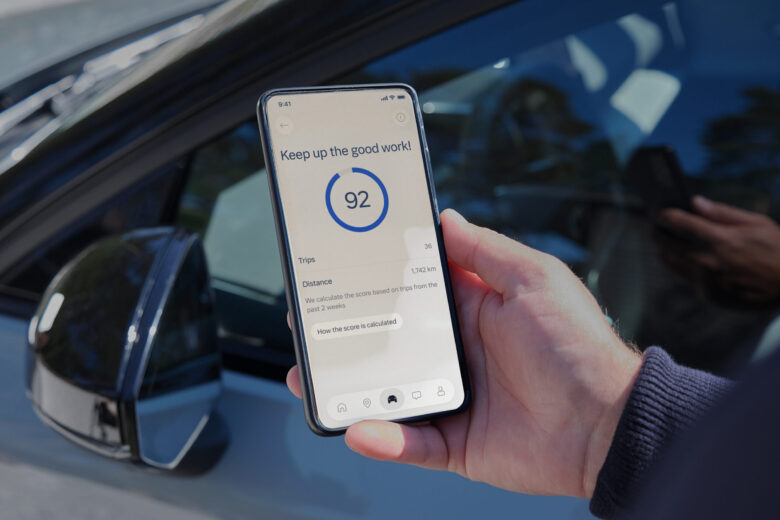
Volvo launches Safety Coach app in partnership with CMT

OEConnection to acquire epyx and r2c Online from Corpay

Fleet managers want automated predictive maintenance tool, survey finds
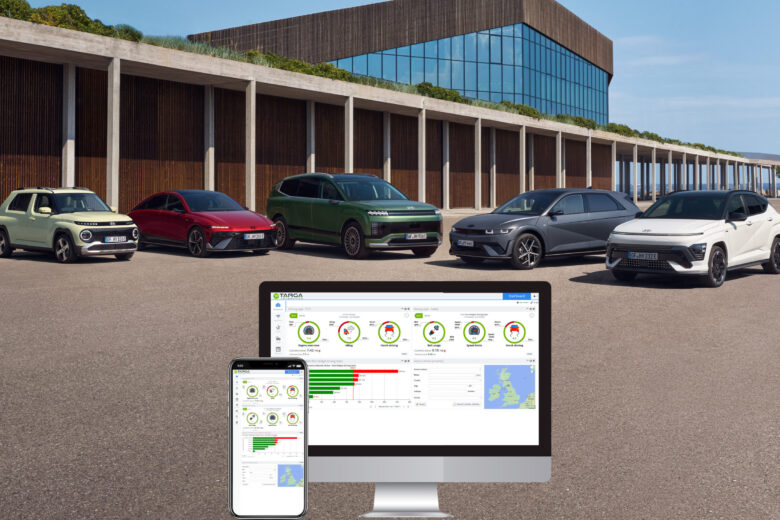
Targa Telematics enters deal with Hyundai