Skip to content
ADVERTISEMENT

Van market “constantly overlooked” in EV transition – CV Show panel

The panel, titled 'How to Decarbonise Your Fleet: Expert Strategies for LCVs and HGVs' included discussions on the ZEV mandate and SME fleets.

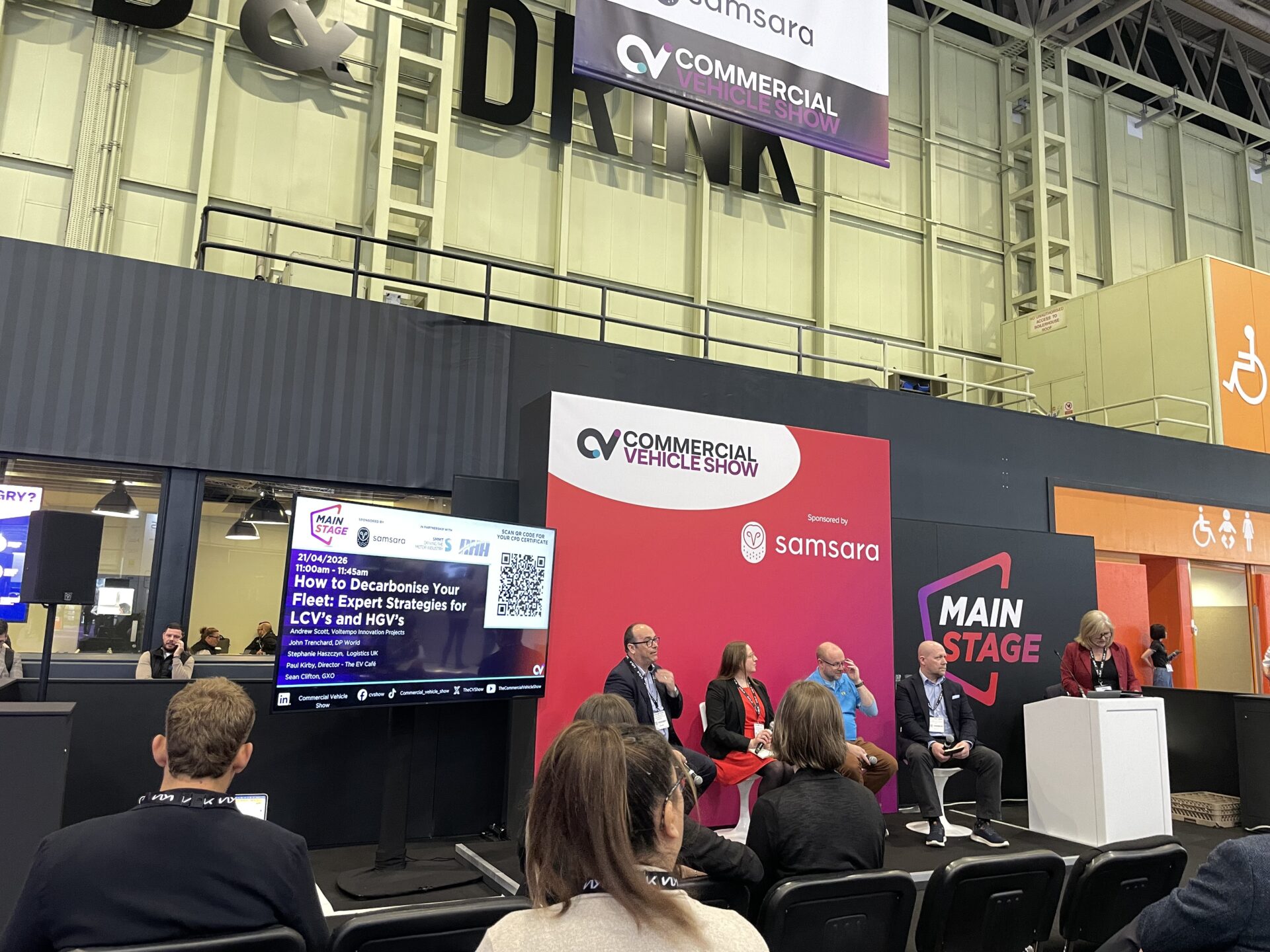
van EV transition
ADVERTISEMENT

Speakers on a panel at the Commercial Vehicle (CV) Show today remarked that the van market is “constantly overlooked” in the electric vehicle (EV) transition.

The panel, titled ‘How to Decarbonise Your Fleet: Expert Strategies for LCVs and HGVs’ included discussions on the ZEV mandate, SME fleets and EV payload concerns.

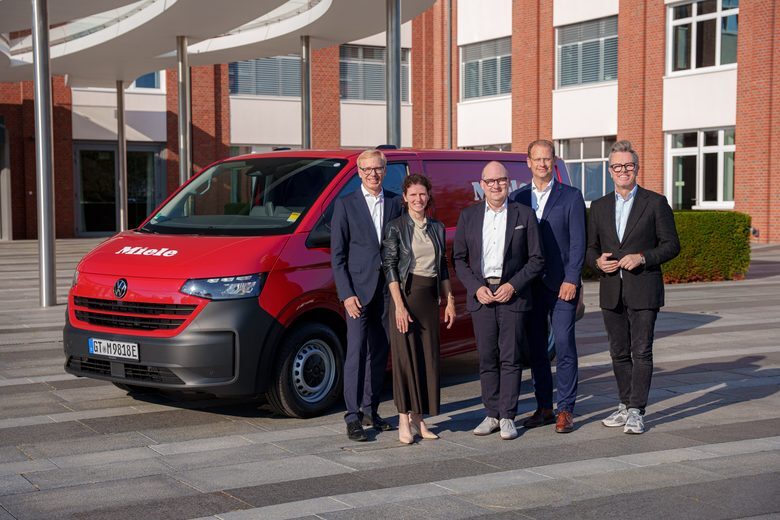
Paul Kirby (pictured, centre), commercial director at The EV Café, said that electric van uptake was beginning to plateau, but that the current Government intends to press ahead with the transition.

He remarked that more than 50% of vehicles will be electric by the next election and that the market will not go back from that point.

Kirby said: “I think the van market is constantly overlooked. Let’s not pretend it’s all plain sailing.

ADVERTISEMENT

“But we should reflect on the actual speed of change. It has never been as fast as it is now and will never be as slow again.

“The innovation is coming to the market. It’s a better technology, so why are we not using it?”

Kirby also highlighted that electric vans can now have higher payload capacities than diesel equivalents, due to the 4.25-tonne allowance.

ADVERTISEMENT

Panellists warned that phase-out dates for internal combustion are fast-approaching.

Stephanie Haszczyn (pictured, second from left), senior policy manager at Logistics UK, said: “Even if our members are not ready, they don’t have a choice.

ADVERTISEMENT

“HGVs and vans are very different conversations.”

ADVERTISEMENT

“A lot of our members are concerned with the focus on tailpipe emissions, they want a tech-neutral approach

“The ZEV mandate takes a one size fits all approach. There is a huge role for low-carbon fuel in the short term.”

Haszczyn said that the biggest obstacles to eHGV uptake were cost and infrastructure, as well as making double-shifting work.

Logistics UK has a decarbonisation working group, which aims to find out what its members need to make the technology work.

ADVERTISEMENT

Haszczyn suggested that once big fleets invest in infrastructure, it could later be provided on a shared model to enable SME electrification.

Sean Clifton (pictured, second from right), fleet integration director at GXO, said that fleets still have a choice on whether to electrify or not, but warned of the consequences.

Clifton said: “It’s still a choice. Operators can still choose to electrify. You need to decide if you’re happy with waiting.

“Fast follower is not a strategy, it’s indecision masking as strategy.

“Once momentum starts, it’ll continue. It’s not easy and it does require long-term thinking. If you’ve not started already, you’re probably a bit late to the game.”

ADVERTISEMENT

Clifton warned that fleets are likely one or two procurement cycles away from not having a choice on electrification.

John Trenchard (pictured, left) vice president of sustainable international supply chains at DP World, said: “It’s a system that we’re decarbonising, not a single mode.

“It’s really important that we look at it as a system, because decisions upstream make a difference downstream.

“The issue we have specifically with eHGVs and EVs is currently they’re show ponies – we need to make them workhorses.”

Trenchard said that DP World is lending electric trucks to container fleet operators so they can try the products.

He said that electric trucks can work for operators, but 30% of containers are too heavy for eHGVs.

Speakers on the panel suggested that fleets should start electrifying now to gain an advantage.

They also suggested that cross-industry collaboration is key, especially with eHGVs due to the infrastructure concerns.

Trenchard said: “Be brave, try something new, lean in, talk to your customers. Collaborative advantage is often more powerful than competitive advantage.”

Haszczyn said: “You can access grants now. Grants won’t always be available.”

Kirby said: “Start with your drivers, then move to data. If you think you can or think you can’t, you’re right.”

Clifton said: “It’s a massively exciting time for anyone in this industry. It’s fascinating and terrifying at the same time.

“Find a place to start. Because you’ll thank yourself later.”