Nappa leather seats in the first and second rows offer heating, ventilation and massage functions.
Electrically adjustable backrests and footrests are designed for passengers to find a comfortable position on longer journeys, in addition to individual second-row seats with armrests and six-seat configurations.
A quiet cabin is supported by road noise cancellation, full-cabin acoustic insulation, Michelin acoustic tyres and high-performance acoustic glass.
Three-sided electric sunshades extend across 270 degrees of the cabin.
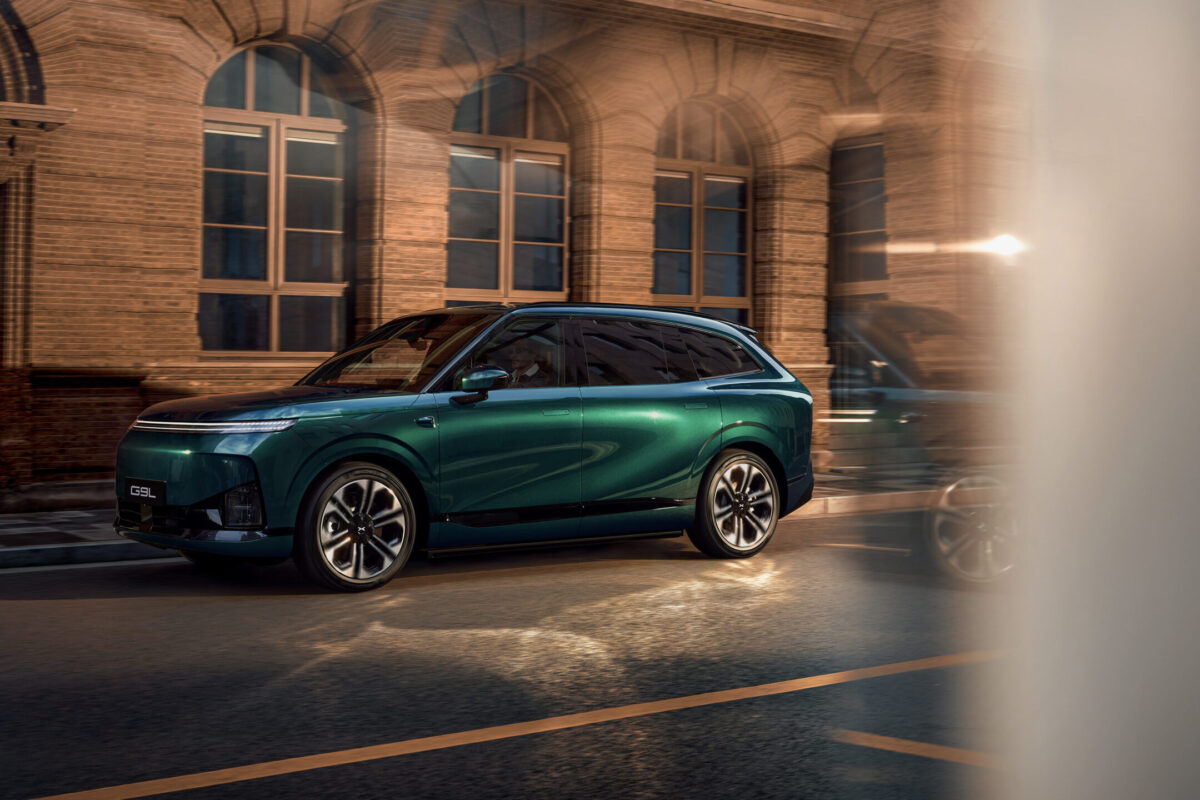
Its 3,100 mm wheelbase is designed to support a spacious cabin, while flexible six- and seven-seat layouts allow passengers to choose the configuration that best suits their needs.
With all six seats deployed in the six-seat configuration, the rear luggage compartment offers 367 litres of space, with a 65-litre front trunk.
The cabin also includes a 12.5-litre dual-zone smart refrigerator, a 21.4-inch 3K rear entertainment display and a 23-speaker high-fidelity sound system.
The G9L features a 17.3-inch central display, an 8.8-inch instrument display and an augmented-reality head-up display.
The “Hey XPENG” voice assistant supports six-zone recognition in both six- and seven-seat configurations.
Over-the-air software updates allow vehicle software to evolve over time.
Following the L03, the G9L becomes the second XPENG model to offer native Google Maps-powered navigation, accessible directly through the in-car system without downloading the Google Maps app or connecting a smartphone.
The G9L combines an all-aluminium suspension architecture with front double-wishbone and rear H-arm multi-link suspension, dual-chamber air suspension, DCC adaptive damping and active rear-wheel steering.
The rear-wheel steering system supports a turning radius of 5.5 metres.
The adjustable air suspension can vary ride height by 70 mm, from 30 mm below the standard setting to 40 mm above it.
Dual-motor all-wheel-drive performance configurations deliver 430 kW and 695 Nm of torque, accelerating from 0 to 62 mph in 4.9 seconds.
The G9L also achieves a stated 62 to 0 mph (100 to 0 km/h) braking distance of 35.1 metres.
The RWD Long Range Ultra delivers the G9L’s best range and energy efficiency, offering up to 367 miles (591 km) of WLTP range with energy consumption of 21.1 kWh/100 km.
The 800V silicon-carbide platform supports 5C ultra-fast charging, allowing the battery to charge from 10% to 80% in as little as 11.7 minutes.
The G9L is also engineered to support journeys beyond paved roads.
Its adjustable air suspension provides a maximum ground clearance of 216 mm, while the vehicle is designed for a wading depth of up to 700 mm.
The vehicle has electrically retractable tow hitch rated for up to two tonnes, and 6 kW vehicle-to-load (V2L) external power output.
The G9L Ultra will introduce XPENG NGP (Next Generation Pilot), powered by second-generation Vision-Language-Action (VLA 2.0) foundation model.
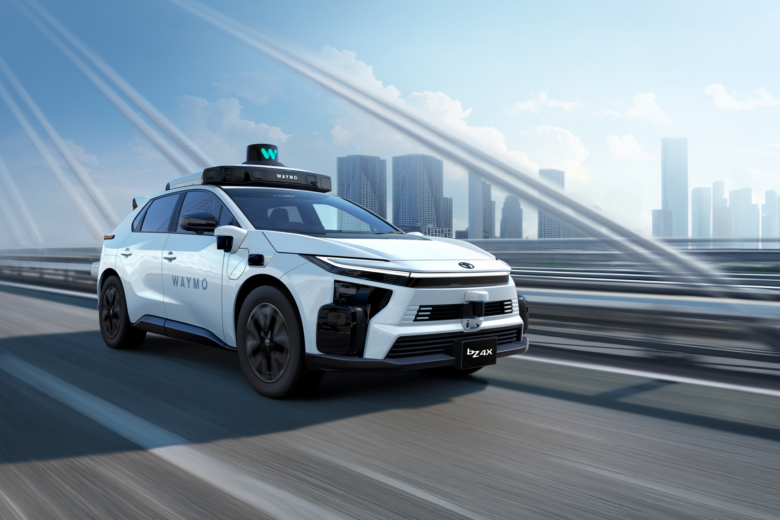
VLA 2.0 provides a unified AI foundation designed to pursue a direct transition from L2 driver assistance to L4 autonomous driving without L3 as an intermediate stage.
This technology represents a step in XPENG’s longer-term development of increasingly capable AI-driven mobility.
Designed for European driving conditions, NGP is being developed to recognise local road signs and traffic conventions, including right-of-way rules and the priority given to pedestrians and cyclists.
It also supports manoeuvring on narrow streets, with real-time 3D visualisations of nearby obstacles and remote parking capabilities.
XPENG NGP is planned to become available through phased over-the-air (OTA) updates from 2027, subject to local legislation and regulatory approval.
The vehicle’s development has been guided by four major safety assessment frameworks: Euro NCAP, ANCAP, C-NCAP and CIASI.
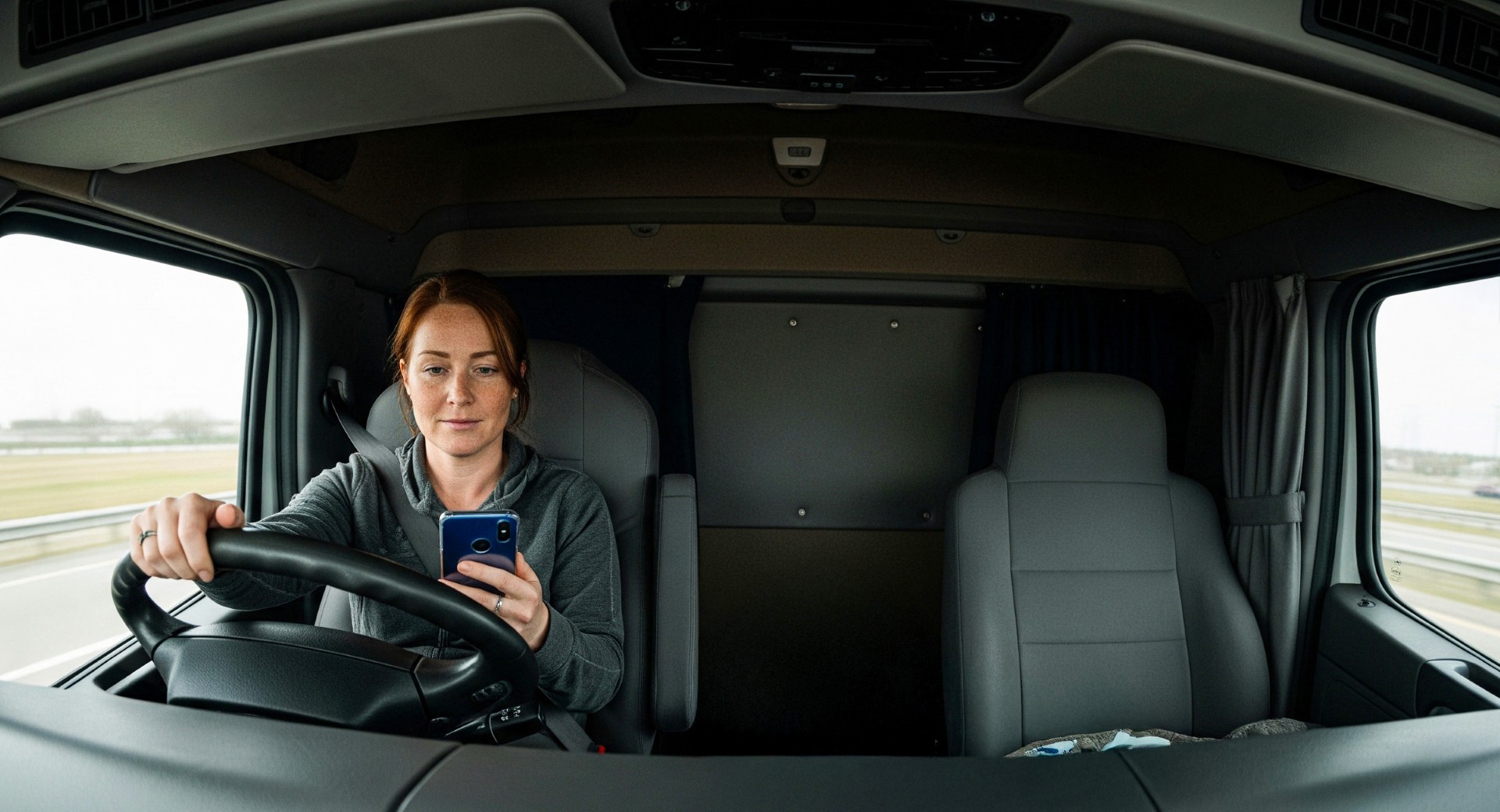
The G9L includes up to ten airbags, automatic emergency braking (AEB), tyre-blowout stability control and Driver Incapacitation Assist.
XPENG has conducted 192 crash tests covering more than 110 testing protocols, alongside validation of left- and right-hand-drive configurations.
Battery protection includes four layers of underbody protection and XPENG’s proprietary EIS battery safety chip.
Drawing on XPENG’s flying-car technology, the G9L features an aviation-inspired safety redundancy architecture spanning four critical systems: braking, propulsion, communication and unlocking.
The G9L has undergone three years of testing across 26 countries and regions, covering more than 6.74 million kilometres.
It has also completed its first production trial at Magna’s facility in Graz, Austria, and is set to become the fourth XPENG model manufactured in Europe.
The XPENG G9L is planned for rollout across 64 countries and regions, with local configurations and delivery schedules varying by market.
European order books open on 12 October, with prices starting at €74,600 (£62,954.94) in Germany.