
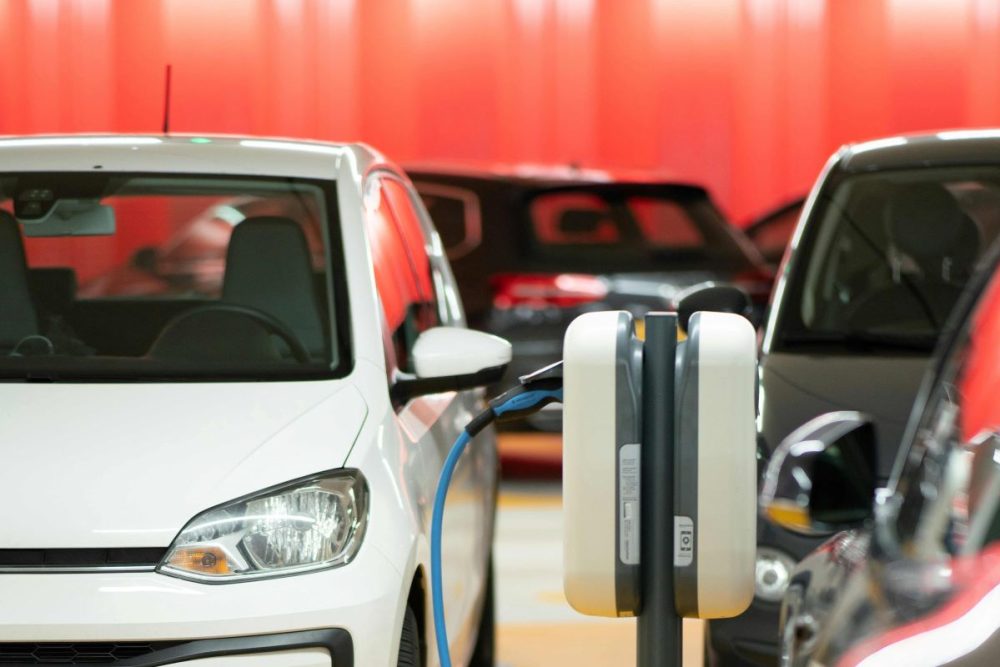
IN 2024, the UK EV charging market is on a continued trajectory of growth, following on from the significant developments the industry experienced in 2023. Since January 2023, another 17,450 public charge points were added to the UK network, representing an increase of 46%.
In a bid to cater to the growing demand for electric vehicles and to reap the benefits of implementing EV charging infrastructure, more and more businesses are looking to invest, aligning with their strategic objectives.
However, the process of implementing EV charging infrastructure for businesses is not without its challenges.
Robert Byrne, operations director of adi Vehicle Charging Solutions, a division of multidisciplinary engineering firm adi Group that facilitates EV charging installation challenges for businesses, discusses on how to overcome them.
Infrastructure upgrade demands
Upgrading existing electrical infrastructure to accommodate EV charging can be a substantial task for businesses, particularly those operating in older buildings or with limited electrical capacity.
This may entail electrical panel upgrades to support increased power demand, wiring upgrades to accommodate the new charging stations, installation of additional electrical circuits for each charging station and potentially upgrading transformers.
While these demands may become challenging, partnering with the right electrical engineering professionals is key. These experts can support in conducting assessments of existing electrical infrastructure to identify necessary upgrades, determining capacity requirements, recommending the most budget-appropriate infrastructure upgrades – balancing upfront costs and long-term benefits – and advising on the best ways to optimise existing infrastructure.
Balancing costs with return on investment
The upfront costs associated with procuring and installing EV charging stations can be a deterrent for many businesses. Coupled with ongoing operational expenses such as electricity consumption, maintenance, and potential subscription fees for network services, some may feel EV charging infrastructure investment is not the right choice.
However, the return on investment and the long-term savings and benefits can and should be an incentive for businesses.
Ultimately, investing in EV charging infrastructure can result in potential extra revenue from charging services as well as less tangible but equally worthwhile benefits such as attracting new customers, increasing employee retention and enhancing brand image.
Space constraints
Allotting space for EV charging stations within existing parking facilities can pose a logistical challenge for businesses. Owners should consider factors such as the quantity and type of charging stations, accessibility and more in order to optimise the use of available space.
For instance, implementing effective parking management strategies is imperative to prevent EV charging spots from being used in the wrong ways and ensure fair access.
Strategies such as optimising the layout of parking facilities and installing compact or wall-mounted charging units can prove particularly useful, as is exploring the option of providing off-site charging points.
Navigating permitting and regulatory compliance
Acquiring the necessary permits and approvals for EV charger installation can be a time-consuming and complex process. There is an intricate web of regulations and requirements at a local and national level, encompassing zoning ordinances, building codes, environmental regulations, and utility interconnection agreements.
Again, working with experienced professionals who understand permitting requirements and approval processes can help owners navigate these efficiently and safely.
At the same time, staying informed about any updates or changes to regulations that may impact EV charger installations is crucial, also helping owners identify available incentives or grants for EV charger installations.
Future-proofing
While there are hurdles businesses should overcome first, considering strategising for scalability is essential when implementing charging infrastructure.
With the escalating adoption of EVs, demand will continue to grow, and selecting adaptable and scalable charging solutions is an important part of the process.
In line with the ever-growing increase in the adoption of automation, AI and new technology, integrating smart charging technology to optimise charging schedules and manage load demand is vital, helping avoid future retrofits in the future.
Navigating EV charging installation challenges effectively
Despite these challenges, businesses stand to reap numerous benefits from investing in EV charging infrastructure, including attracting new customers and employees, bolstering sustainability credentials, and contributing to the transition towards cleaner transportation alternatives.
With extensive experience in providing innovative turnkey solutions to businesses across the UK, adi VCS can expertly facilitate the process of implementing EV charging infrastructure for businesses, providing unique expertise and strategies to lead towards success.
Find out more from https://www.adiltd.co.uk/