
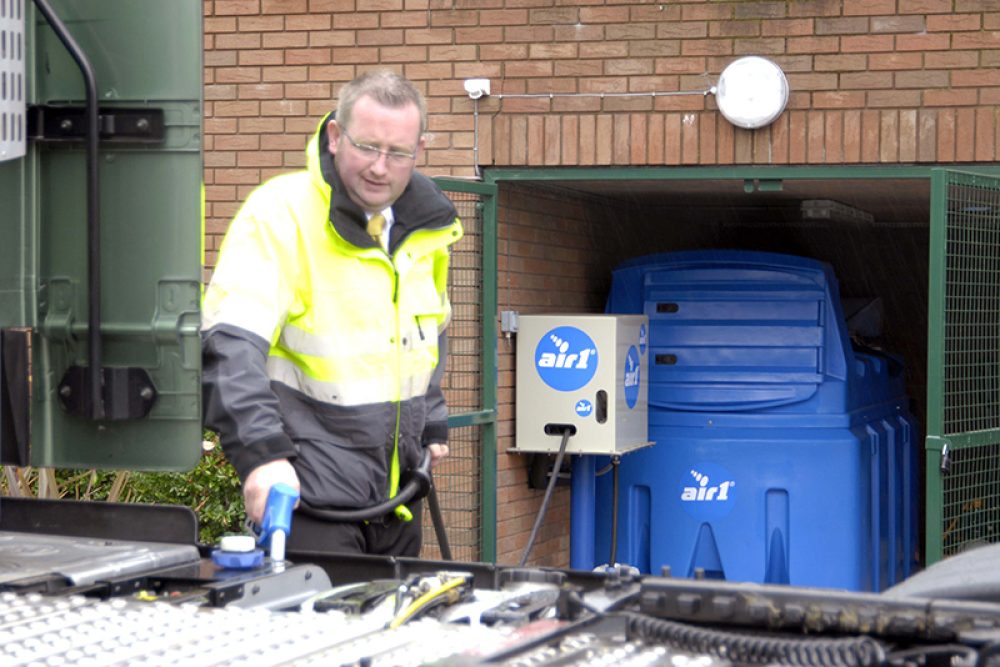

ADBLUE is an increasingly common additive for that is something of a shortcut for many manufacturers to make their diesel engines comply with stringent Euro-6 emission regulations
It converts harmful nitrogen oxides (NOx) from the vehicle exhaust into harmless nitrogen and steam, reducing the emissions blamed as a major source of atmospheric pollution and smog in cities. NOx emissions are known to aggravate asthma and threatening the lives of both the very young and very oldest of a city’s population.
To meet these new regulations manufacturers have had to re-think the exhaust system on their vehicles and may have now equipped them with the Selective Catalytic Reduction (SCR) system in the exhaust.
AdBlue is a high purity urea solution that must be used in a dedicated tank on the vehicle, that should just be refilled as and when required. AdBlue is non-flammable and non-explosive. It is classified as a transportable fluid with minimal risk.
How to use AdBlue:
- Only pour AdBlue into the AdBlue tank;
- Only use AdBlue clean equipment when storing or refilling AdBlue;
- Ensure tank and container seals remain and intact;
- Use AdBlue or demineralised water only when cleaning internally or priming AdBlue equipment;
- Wear protective clothing when handling large quantities of AdBlue;
- Rinse spillages thoroughly with water;
- AdBlue freezes at an ambient temperature of 12˚F or -11˚C and decomposes above 30˚C, so protect from extreme temperatures;
- Once frozen, AdBlue can be used again, once thawed gently, as it returns to its original state;
- Keep AdBlue out of direct sunlight.