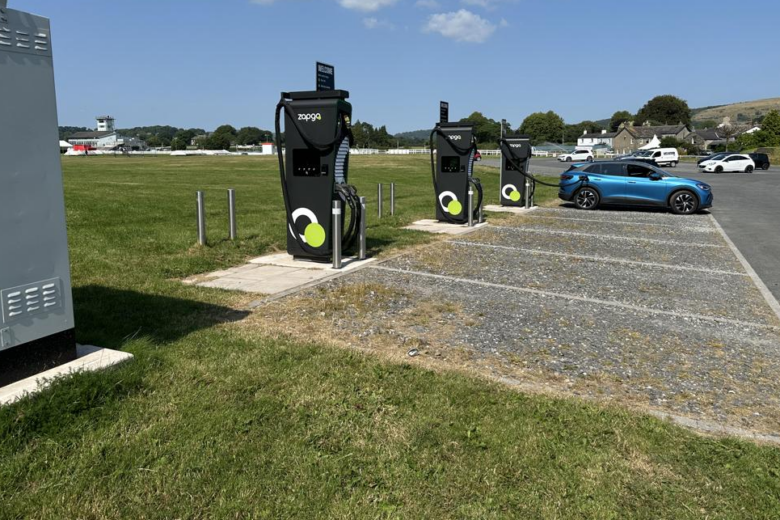
Honda puts the case for hydrogen
Honda was one of the first companies to focus on the potential of hydrogen toward the realisation of a carbon-neutral society and has been conducting research and development of hydrogen technologies and FCEVs for more than 30 years. Since 2013, Honda has been working with GM on the joint development of the next-generation fuel cell system.


HONDA is positioning hydrogen as one of its high-potential energy carriers, along with electricity.
The “hydrogen circulation cycle,” which starts with renewable energy, consists of three phases – “generate,” “store/transport” and “use.” With the use of water electrolysis technology, electricity derived from renewable energy sources can be converted into “green hydrogen” making it less susceptible to fluctuations in power generation due to seasonality and weather conditions, and it becomes possible to transport the energy to where it is needed in the form of “green hydrogen” via appropriate methods such as transport by land, sea, and pipeline.
Honda will expand the applications of its fuel cell system, the core of Honda hydrogen technology, not only to Honda FCEVs but also to various internal and external applications, thereby serving to stimulate demand for hydrogen and facilitating the carbon neutrality of society through the “use” of hydrogen.
Honda was one of the first companies to focus on the potential of hydrogen toward the realisation of a carbon-neutral society and has been conducting research and development of hydrogen technologies and FCEVs for more than 30 years. Since 2013, Honda has been working with GM on the joint development of the next-generation fuel cell system.
In 2024, in North America and Japan, Honda will launch a FCEV model equipped with the next-generation fuel cell system jointly developed with GM. While cost and durability are viewed as typical challenges that needed to be addressed to facilitate widespread use of fuel cell systems, this next-generation fuel cell system, which leverages the knowledge, know-how and economies of scale of both companies, will reduce the cost to one-third compared to the cost of the fuel cell system in the 2019 Honda Clarity Fuel Cell.
This significant cost reduction was achieved by various measures including the adoption of innovative materials for electrodes, advancement of a cell sealing structure, simplification of the supporting equipment and the improvement of productivity.
Moreover, the durability of the system was doubled by the application of corrosion-resistant materials and controlled suppression of deterioration, and low temperature resistance was also increased significantly.
Future research
Looking ahead to around 2030, when fuel cell use is expected to begin to advance toward full-fledged popularisation, Honda has begun fundamental research on future fuel cell technologies with targets to halve the cost and double the durability compared to the fuel cell system co-developed with GM. Honda is looking to realise usability and total cost which will enable the fuel cell system to be on par with conventional diesel engines.
Related

Honda shows Super-N compact EV prototype, confirms UK launch

MP visits Trident Honda as NFDA press for EV incentives, tax reform and business rates fairness

Honda launches second BEV

Honda showcases new range of electrified vehicles and services
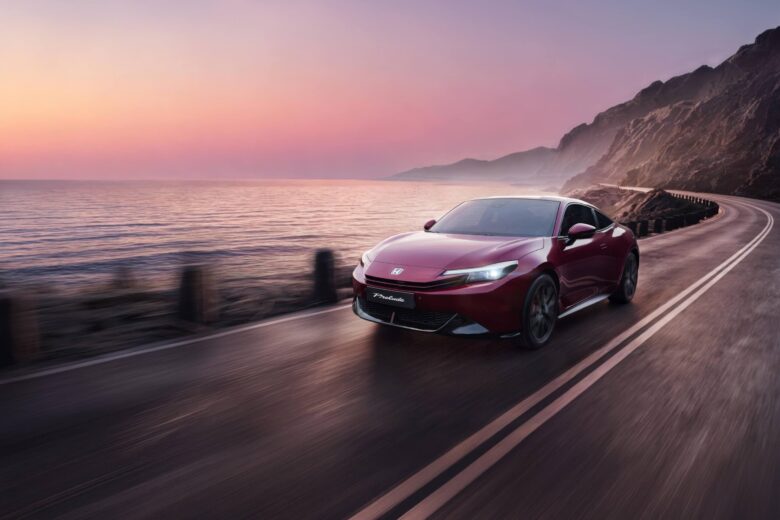
Honda to open orders for Prelude Limited Edition later in autumn

Honda Super-N EV to start at £18,995, orders open 22nd June

Honda offers EV for hybrid price

Awards 2021 Winner: Best Small Car – Honda e
AION unveils UT Cross and GS7 models
Škoda Epiq adds SportLine model to range
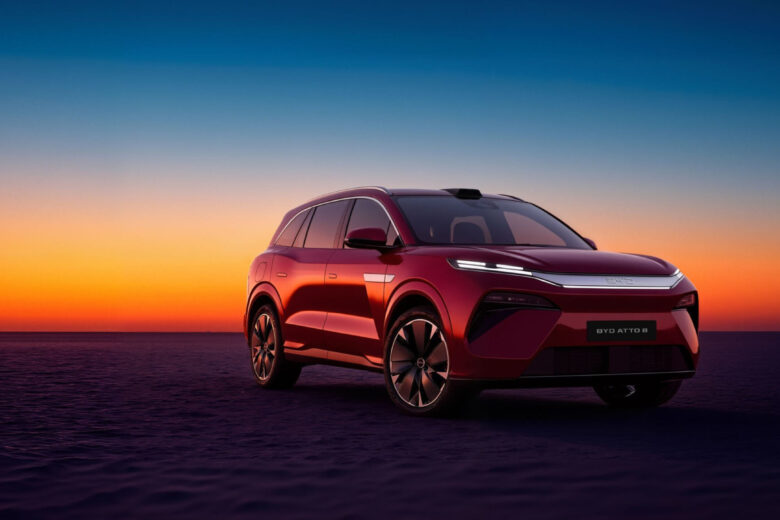
BYD launches ATTO 8 at Paris Motor Show